When temperatures drop, the outdoor environment becomes hostile for survival. While some insects die off and others go dormant, many adaptable creatures seek refuge elsewhere. Your heated home, with its insulation and hidden structural voids, becomes a prime target for winter pests.
Understanding how to prevent winter pests means shifting focus from outdoor perimeter barriers to interior exclusion and deep-void protection. This guide explains why these unwanted guests head indoors and how you can stop them.
Table of Contents
Why Pests Become Active Indoors During Winter
Insects and rodents move indoors during winter for warmth, food, and moisture. Rodents need a sheltered environment away from freezing winds, while overwintering insects follow warm air currents escaping through structural cracks, leading them into wall cavities, attic insulation, and living areas.
Most Common Winter Pests
A distinct group of winter pests is highly likely to seek shelter inside homes during the cold season:
| Pest | Why It’s Common in Winter | Main Risks | Best Prevention Method |
|---|---|---|---|
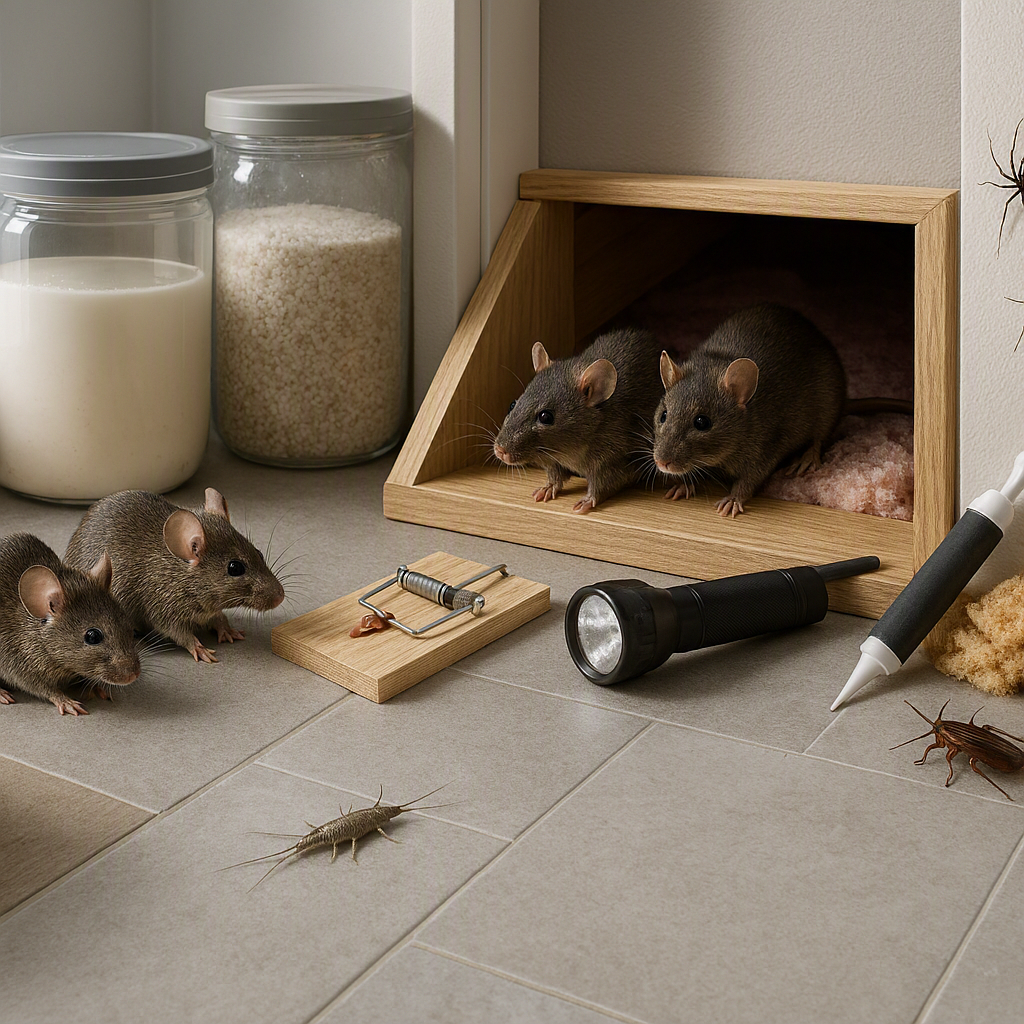
| Mice | Seek warm nesting materials and food | Chewed wires, Salmonella, Hantavirus | Steel wool and caulk in gap openings |
| Rats | Driven in by freezing outdoor conditions | Structural damage, parasites | Seal foundation holes, lock trash bins |
| Cockroaches | Attracted to warm appliance motors | Respiratory allergies, food contamination | Wipe grease, repair pipe leaks |
| Spiders | Move into basements hunting insects | Rare bites, unsightly webbing | Clear clutter, vacuum closet corners |
| Silverfish | Thrive in humid bathrooms and basements | Damaged books, wallpaper, fabrics | Dehumidifier below 50% humidity |
| Cluster Flies | Hibernate in attic spaces | Annoying window swarms | Seal fascia boards and ridge vents |
| Boxelder Bugs | Squeeze through gaps into warm walls | Fecal stains on fabrics and walls | Fine-mesh screens on soffit vents |
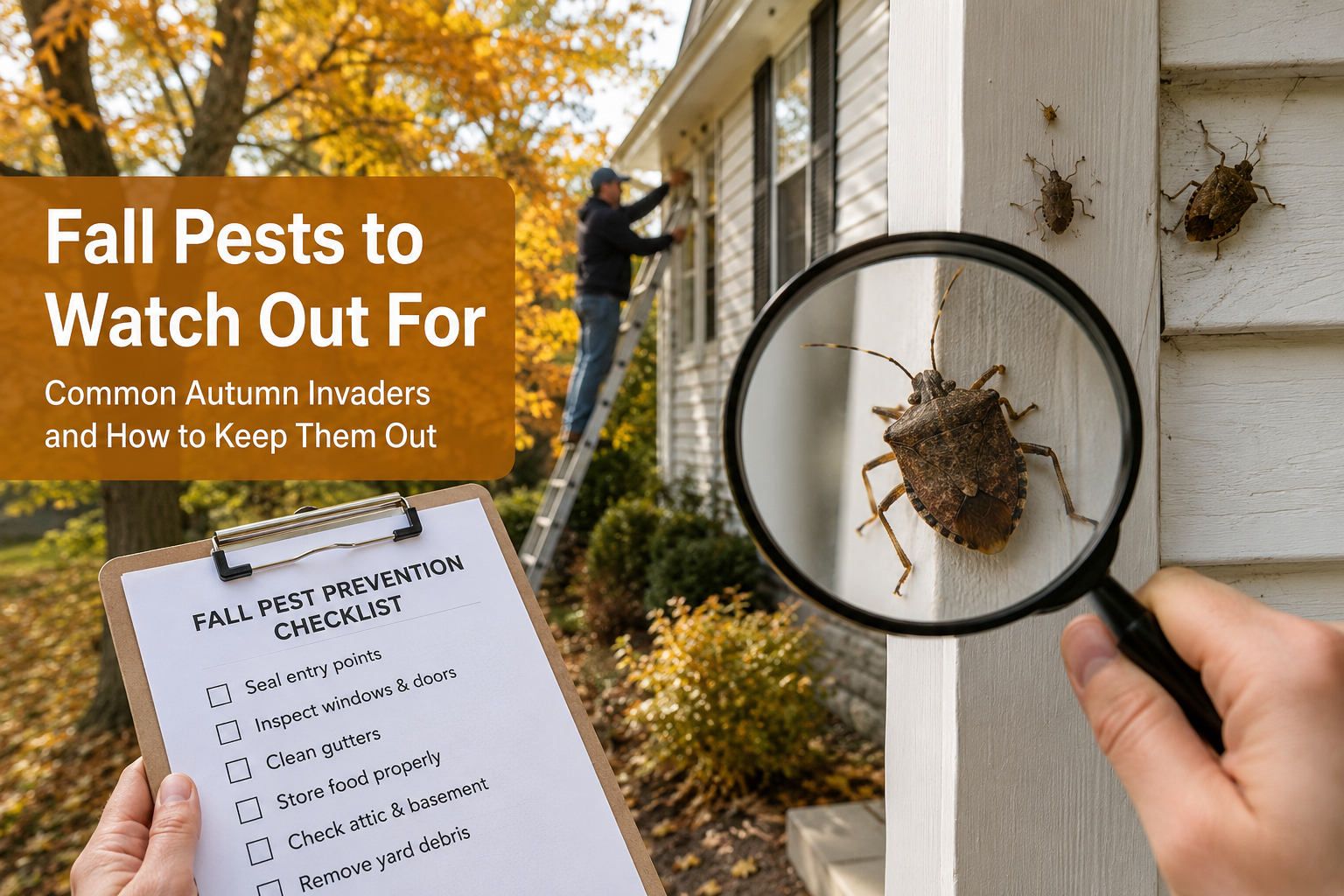
| Stink Bugs | Overwinter inside wall voids | Foul odor when disturbed | Seal window trim and door frames |
Signs of Winter Pest Activity
Since winter pests spend most of their time hidden inside walls or attics, watch for these subtle indicators:
- Dark rodent droppings — fresh droppings are moist and rice-grain shaped, found near baseboards or attic insulation
- Gnaw marks on packaging — rough holes in cardboard, plastic, or wood baseboards
- Scratching noises in walls — scurrying or squeaking behind drywall, especially at night
- Sluggish insects near windows — indoor heat tricking stink bugs or cluster flies into waking early
How to Prevent Winter Pests
Successful prevention focuses on sealing your home’s exterior shell and removing interior resources that keep winter pests alive:
- Seal cracks and gaps — caulk or foam with steel wool around cable lines, pipes, and dryer vents
- Store food properly — airtight containers instead of thin packaging
- Reduce household clutter — replace cardboard boxes with sealable plastic totes
- Eliminate indoor moisture — fix drips and run exhaust fans to clear humidity
- Inspect attics and basements — check insulation for tunnels and corners for webs or damage
- Maintain home insulation — replace weather stripping and seal outlet gaskets on exterior walls
- Keep firewood away from the house — 20 feet from the foundation, raised off the ground
- Repair damaged screens and vents — replace torn screens and fit vents with metal mesh grates
Best Pest Control Methods for Winter
- Seal the structural envelope — copper mesh, steel wool, and sealants on gaps larger than 1/4 inch before freezing weather.
- Set up targeted traps indoors — snap traps or sticky glue boards against baseboards in basements and pantries.
- Apply dust insecticides to dry voids — a thin layer through electrical outlets targets hidden insects without affecting indoor air.
Natural Ways to Keep Winter Pests Away
- Deploy peppermint oil — soaked cotton balls in cabinets and closets create a scent barrier against mice and spiders
- Apply diatomaceous earth — a thin layer inside wall voids and along pipes dehydrates crawling insects
- Use cedar blocks — natural oils deter silverfish, moths, and beetles in storage chests and closets
Common Winter Pest Control Mistakes
- Placing rodent bait stations indoors — poisoned mice can die inside walls, creating odor and fly problems; use snap traps instead
- Spraying liquid pesticides on dormant insects — rarely effective and can cause insects to scatter into living spaces
- Leaving the attic hatch unsealed — an open highway for roof-dwelling rodents and overwintering flies
When to Contact a Professional
Contact a professional if you find signs of a severe rat problem, extensive mouse droppings across multiple rooms, or thousands of cluster flies waking inside your attic. Licensed technicians have specialized tracking tools and the expertise for difficult rodent exclusions.
Frequently Asked Questions
Why do I suddenly have a mouse problem when winter starts? Mice can’t survive extended freezing temperatures, so they follow warm air currents from foundation gaps into your home.
Will cold winter weather naturally kill off a cockroach infestation? No. Roaches that make it indoors thrive year-round near warm appliances and available food.
What’s the most effective way to catch mice inside a house? Classic wooden snap traps baited with peanut butter, placed against baseboards where mice travel.
Why are stink bugs appearing inside my home in the middle of winter? They hibernate in wall voids during autumn, and indoor heating can trick them into waking early.
Do electronic ultrasonic pest repellents work against winter rodents? No. Independent testing shows little to no long-term protection — rodents adapt quickly.
How do silverfish manage to survive inside dry winter homes? They seek high-humidity spots like bathroom drains, damp basements, and leaky pipes.
Should I worry about spider bites more during the winter? Rarely — spiders hide in closets and storage boxes to escape the cold, so accidental bites can happen if disturbed.
Can rats chew through regular expanding spray foam? Yes. Pack gaps with steel wool or copper mesh before applying foam for a secure barrier.
What attracts boxelder bugs to specific homes in the winter? South-facing brick or light siding that warms in the sun draws them before they crawl into gaps.
Is it safe to use pesticide foggers in an attic for winter insects? No. Foggers don’t penetrate insulation or wall crevices and can leave residue or create a fire hazard near attic equipment.
Key Takeaways
- Prioritize exclusion — seal foundation gaps, utility entries, and door thresholds before freezing weather
- Ditch indoor rodent baits — mechanical snap traps avoid pests dying inside walls
- Control indoor humidity — keep basements below 50% to discourage silverfish and roaches
- Manage your firewood — store away from the foundation and inspect logs before bringing them in
Staying ahead of winter pests is far easier than dealing with an established indoor infestation later. For related reading, see our Pest Control overview, our Signs of Pest Damage guide, our DIY Pest Control guide, or our Get Rid of Cockroaches guide.
Sources: EPA: Controlling Pests Safely in Winter · CDC: Rodent Control and Prevention Guidelines · USDA: Overwintering Insect Biology · University of Minnesota Extension: Exclusion Materials · Penn State Extension: Stink Bugs and Boxelder Bugs