Introduction
As the days grow shorter and temperatures start to dip, something changes outside your window that most homeowners never notice until it’s too late: pests begin looking for a new place to live, and that place is often your house. Fall pests to watch out for aren’t just a seasonal inconvenience — they’re a predictable, biological event that happens every single year as insects and rodents shift from survival mode outdoors to survival mode indoors.
Unlike summer pests that are mostly just annoying, autumn invaders are driven by urgency. Cooling temperatures signal the approach of winter, and for cold-blooded insects and small mammals alike, finding shelter becomes a matter of life or death. Your home, with its warmth, food sources, and hidden cracks, looks like the perfect refuge.
This guide walks through the most common fall pests, why they show up when they do, the warning signs that indicate an infestation, and the prevention steps that actually work. Whether you’re dealing with mice scratching in the attic or stink bugs clustering on your siding, understanding autumn pest behavior is the first step toward keeping your home pest-free through the colder months.
Table of Contents
Why Pests Become More Active During Fall
Pest activity doesn’t slow down in autumn — it shifts direction. Instead of spreading out across yards, fields, and gardens, the fall pests to watch out for concentrate their efforts on finding a warm, safe place to spend the winter. Several factors drive this seasonal surge.
Temperature Changes
Insects are cold-blooded, meaning their body temperature depends entirely on their environment. As outdoor temperatures fall, many insects become sluggish and vulnerable. Seeking a warmer microclimate, such as the gap around a window frame or a crack in your foundation, becomes an instinctive survival strategy.
Search for Food
Natural food sources like insects, seeds, and vegetation become scarcer as fall progresses. Rodents and insects alike turn toward homes, where crumbs, stored food, and unsecured garbage offer an easy and reliable meal.
Search for Shelter
Fall pests aren’t just looking for warmth; they’re looking for a safe overwintering site. Attics, wall voids, basements, and crawl spaces mimic the protected environments pests would normally seek in tree bark, leaf litter, or underground burrows.
Breeding Cycles
Some pests, including certain rodent species, may squeeze in a final breeding cycle before winter, using the shelter of a home to protect a new litter from the elements.
Winter Survival Instincts
Many autumn invaders, such as stink bugs, boxelder bugs, and cluster flies, don’t intend to reproduce indoors at all. Instead, they enter a dormant state called diapause and simply wait out the cold months hidden inside walls or attics, emerging again in spring.
Most Common Fall Pests
Below is a closer look at the fall pests to watch out for this season, including how to identify each one, why it invades, and how to keep it out of your home.
Rodents (Mice and Rats)
Identification
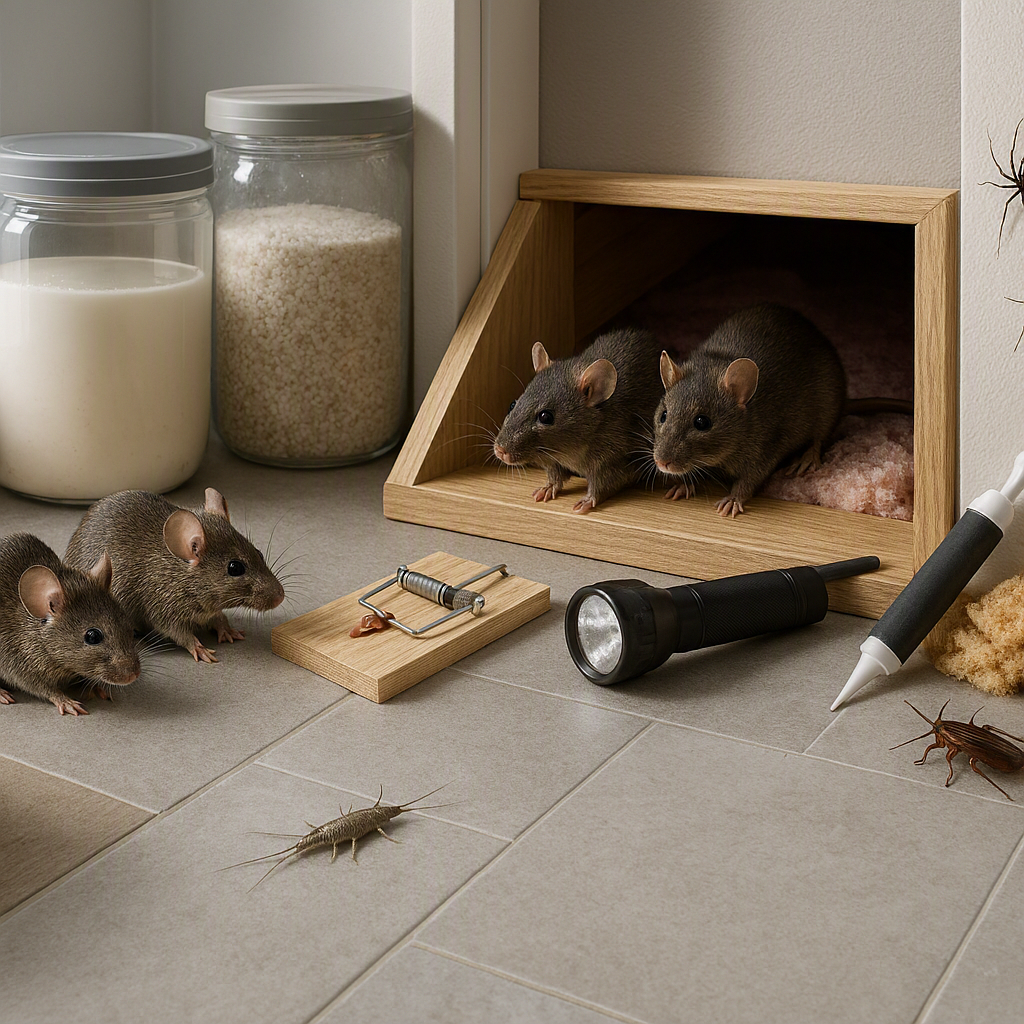
House mice are small, typically gray or light brown, with large ears and a tail as long as their body. Rats are larger, with the Norway rat being stocky and brown, and the roof rat being sleeker with a darker coat.
Why They Invade
Rodents in fall move indoors to escape dropping temperatures and to stay close to reliable food sources. A gap as small as a quarter-inch is enough for a mouse to squeeze through.
Signs
Homeowners often notice small dark droppings, gnaw marks on food packaging or wood, greasy rub marks along baseboards, scratching sounds in walls or ceilings, and a musky odor in enclosed spaces.
Health Risks
Rodents can carry and transmit pathogens linked to hantavirus, salmonella, and leptospirosis, according to the CDC’s rodent-borne disease information. Their droppings and urine can also trigger asthma and allergy symptoms, particularly in children.
Property Damage
Mice and rats gnaw constantly to keep their teeth from overgrowing. This behavior can damage electrical wiring, insulation, drywall, and stored belongings, occasionally creating fire hazards. For a closer look at what this damage looks like, see our guide to identifying rodent damage in your home.
Prevention
Seal exterior gaps, store food in airtight containers, keep garbage cans sealed, and reduce clutter in basements and garages where rodents like to nest.
Control
Snap traps and sealed bait stations can manage small populations. If using rodenticides, follow the EPA’s guidance on safe rodenticide use to protect children, pets, and wildlife. Large or recurring infestations typically require a licensed pest control professional.
Spiders
Common Indoor Spiders
House spiders, wolf spiders, and cellar spiders are among the most frequently seen species indoors during autumn.
Why Spiders Appear During Fall
Spiders in autumn are often searching for mates or simply following the insects they prey on indoors. Cooler outdoor temperatures push both spiders and their prey toward the shelter of homes.
Are They Dangerous?
Most spiders found indoors in North America are harmless to humans. A small number of species, such as black widows or brown recluses, can deliver a medically significant bite, so unfamiliar spiders should be treated with caution rather than assumption.
Prevention
Reducing clutter, vacuuming corners and window sills regularly, and sealing gaps around doors and windows all help limit spider activity indoors.
Stink Bugs
Identification
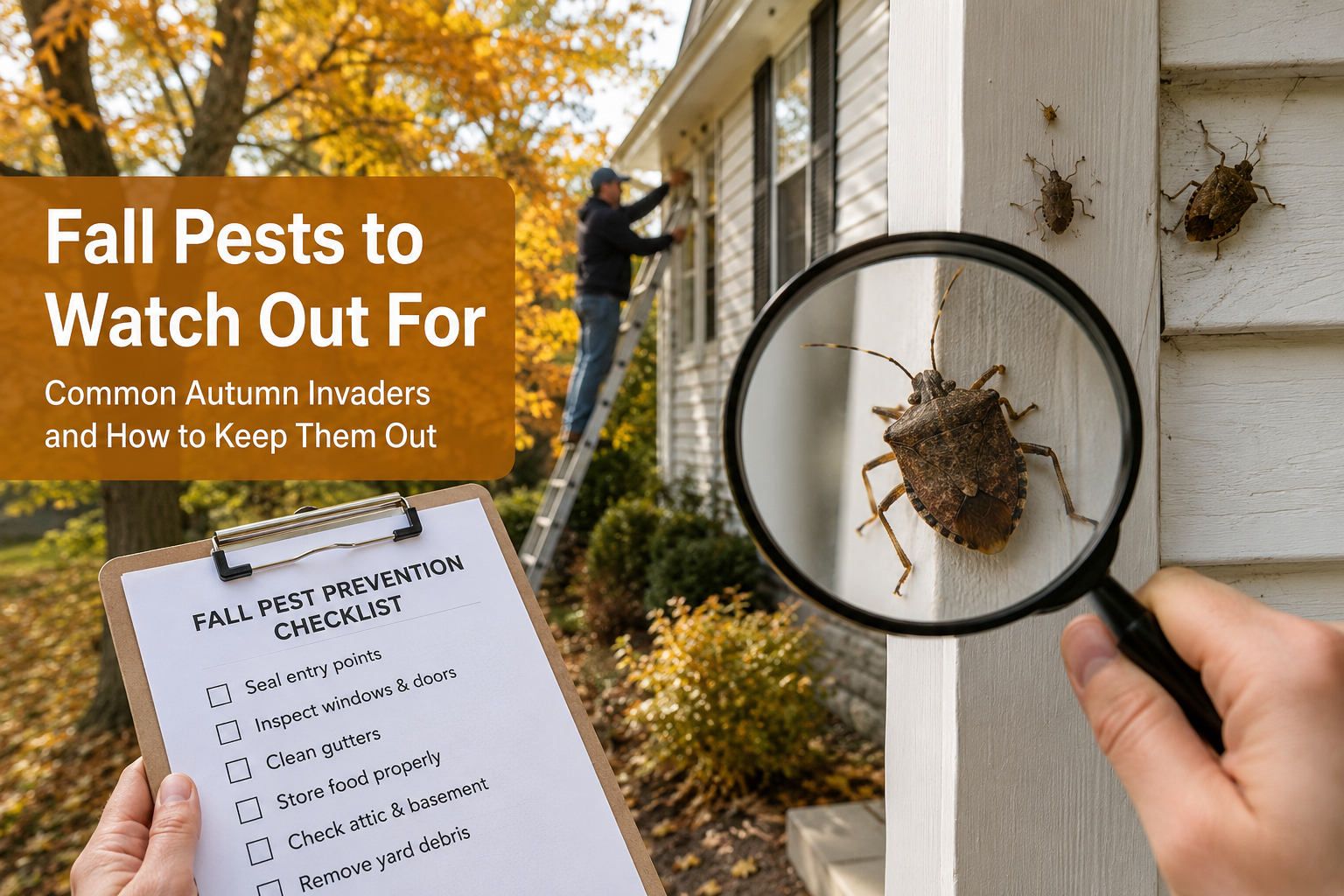
The brown marmorated stink bug has a shield-shaped body, mottled brown coloring, and releases a distinct odor when disturbed or crushed.
Why They Gather on Houses
Stink bugs are drawn to sun-warmed exterior walls, especially south- and west-facing surfaces, as they search for overwintering sites before the weather turns cold.
Entry Points
They commonly slip in through gaps around window and door frames, utility penetrations, soffits, and damaged screens.
Prevention
Seal cracks with caulk, repair damaged screens, and install door sweeps. Avoid crushing them indoors, as this releases their characteristic odor.
Boxelder Bugs
Identification
Boxelder bugs are black with distinctive red or orange markings along their wings and body, typically found near boxelder, maple, or ash trees.
Seasonal Behavior
Like stink bugs, boxelder bugs cluster on warm, sunlit exterior walls in autumn while seeking cracks and crevices to overwinter in.
Prevention Methods
Seal exterior gaps, repair window screens, and consider trimming boxelder or maple trees growing close to the home to reduce nearby breeding sites.
Cluster Flies
Why They Enter Attics
Cluster flies are drawn to attics and wall voids because these spaces offer dark, insulated shelter similar to the soil crevices where their larvae normally develop.
Overwintering Behavior
Once inside, cluster flies enter a dormant state and often go unnoticed until a warm day in late fall or a heated spell in winter causes them to become active and appear at windows.
Prevention
Seal attic vents, repair roofline gaps, and caulk exterior cracks before fall to reduce entry points.
Cockroaches
Increased Indoor Activity
Cockroaches don’t hibernate, but cooler outdoor conditions push them toward the consistent warmth found indoors, particularly in kitchens and basements.
Food Attraction
Unsecured food, dirty dishes, and pet food left out overnight all attract cockroaches looking for an easy meal.
Moisture Issues
Cockroaches are drawn to damp areas such as leaking pipes, sink cabinets, and poorly ventilated bathrooms.
Prevention
Fix leaks promptly, store food in sealed containers, take out trash regularly, and keep kitchens free of crumbs and grease buildup. Not sure what you’re dealing with? Our cockroach identification guide can help you confirm the species before choosing a treatment plan.
Ants
Fall Colonies
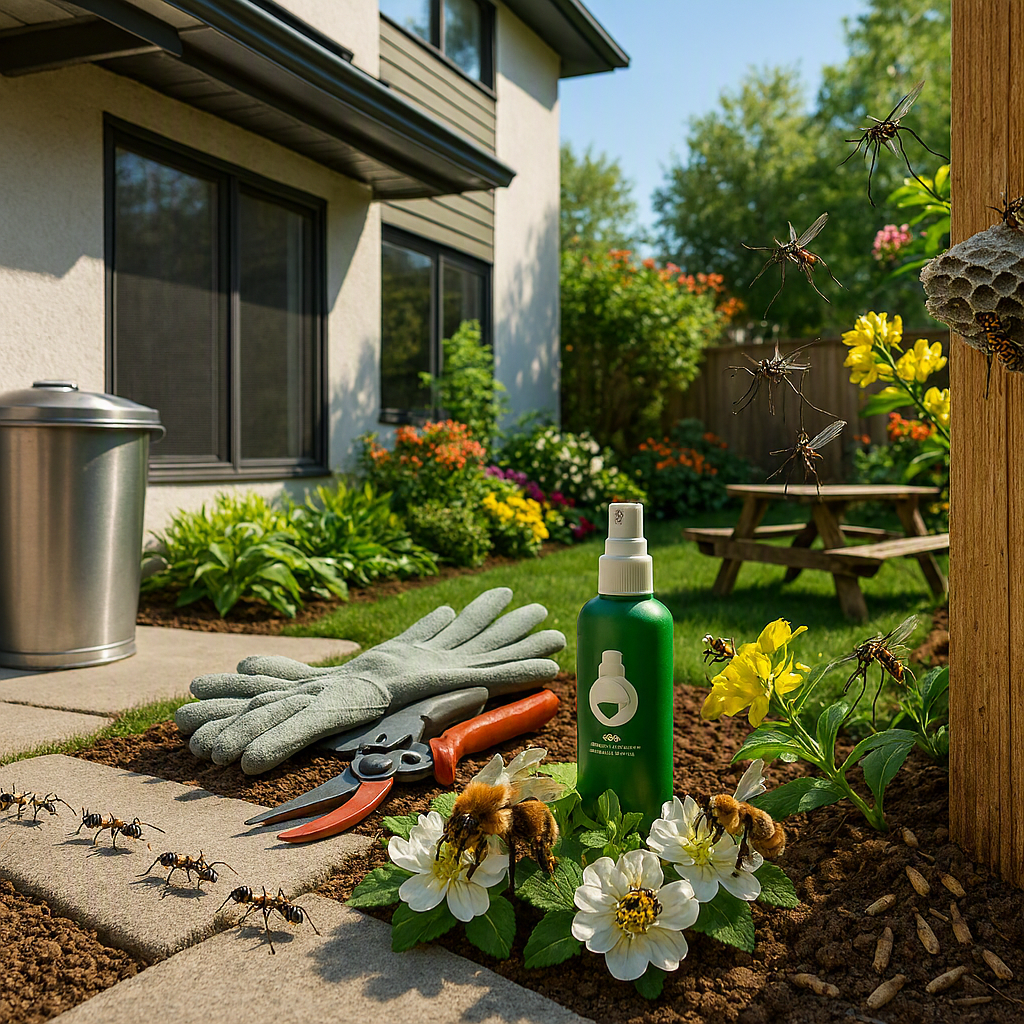
Many ant species increase foraging activity in early fall as colonies stock up on food reserves before winter.
Food Storage Behavior
Ants are particularly drawn to sugary and greasy foods, following scent trails back to the nest once a food source is located.
Indoor Invasion
As outdoor food sources dwindle, ants increasingly move indoors, often entering through small gaps near doors, windows, and utility lines. Since treatment varies by species, check out our ant identification guide to pinpoint which ants you’re seeing.
Prevention
Wipe down counters, store food in sealed containers, fix moisture issues, and seal visible entry points along the foundation.
Wasps
Late-Season Aggression
Wasp colonies can become more aggressive in late summer and early fall as their food-gathering instincts shift and colony structure begins to break down.
Nest Behavior
Nests built under eaves, in wall voids, or in the ground reach their largest size in early fall before most workers die off with the cold.
Safety Tips
Avoid disturbing visible nests, keep outdoor food and drinks covered, and contact a professional for removal of large or hard-to-reach nests rather than attempting DIY removal.
Signs Your Home Has Seasonal Pest Activity
Not sure if you already have a problem? These are the clearest warning signs that one or more of the fall pests to watch out for has already moved in:
- Unexplained droppings near baseboards, cabinets, or attic spaces
- Scratching or scurrying sounds inside walls or ceilings
- Clusters of insects on sunlit exterior walls or window sills
- A musty, oily, or musky odor in enclosed areas
- Gnaw marks on wood, wiring, or food packaging
- Small holes or gaps around utility lines and foundation cracks
- Shed insect wings or discarded exoskeletons near windows
- Live or dead insects appearing indoors on warm winter days
Why Ignoring Fall Pests Can Become a Bigger Problem
Structural Damage
Rodents and wood-damaging pests can chew through insulation, wiring, and structural wood, leading to costly repairs if left unaddressed. If you notice damaged wood specifically, it’s worth ruling out termites using our termite identification guide, since termite damage is often mistaken for general fall pest activity.
Food Contamination
Pests that access pantries and kitchens can contaminate food with droppings, saliva, or shed skin, posing a real health risk to households.
Allergies
Cockroach droppings, rodent dander, and shed insect parts are common asthma and allergy triggers, particularly for children and sensitive individuals.
Disease Risks
Certain fall pests, especially rodents, can carry pathogens that pose genuine public health concerns when populations go unmanaged indoors.
Larger Spring Infestations
Pests that successfully overwinter indoors often emerge in spring with an established population already inside the home, making the problem significantly harder to control.
How to Prevent Fall Pest Infestations
The good news is that most fall pests to watch out for can be kept outside with a bit of proactive maintenance. For a broader, year-round strategy, see our pest prevention guide and our integrated pest management guide, which explain how these seasonal steps fit into a long-term plan.
Seal Entry Points
Inspect your home’s exterior for cracks, gaps, and openings around utility lines, foundations, and siding. Caulk or seal anything larger than a quarter-inch, since this is a common size threshold rodents can squeeze through.
Store Food Properly
Keep pantry items, pet food, and even birdseed in airtight, pest-proof containers rather than original packaging.
Remove Moisture
Fix leaking pipes, improve ventilation in bathrooms and basements, and use dehumidifiers in consistently damp areas to make your home less attractive to moisture-seeking pests.
Clean Gutters
Clogged gutters trap leaves and standing water, creating an inviting environment for insects and providing rodents easy access to the roofline.
Trim Vegetation
Keep tree branches and shrubs trimmed back from the exterior walls and roofline, since overhanging vegetation gives pests a direct bridge into your home.
Firewood Storage
Store firewood at least 20 feet from the house and off the ground, since woodpiles are a favorite overwintering site for spiders, ants, and rodents.
Garbage Management
Use sealed, pest-resistant garbage and recycling bins, and take out trash regularly rather than letting it accumulate.
Inspect Doors and Windows
Check weatherstripping and door sweeps for gaps, and repair or replace damaged window screens before cold weather sets in.
Outdoor Lighting
Consider switching to yellow or sodium-vapor bulbs near entryways, as these attract fewer flying insects than standard white lighting.
Schedule Home Inspections
A seasonal inspection, either DIY or through a licensed professional, can catch small entry points and early pest activity before it becomes a larger issue.
Natural Pest Prevention Tips
Several low-toxicity, DIY approaches can help reduce pest activity as a complement to structural prevention:
- Vinegar – a diluted vinegar solution can help deter ants along known trails and works as a general household cleaner.
- Peppermint oil – some homeowners use peppermint oil around entry points, as certain insects and rodents are believed to dislike the scent.
- Diatomaceous earth – food-grade diatomaceous earth can be applied in dry areas to help manage crawling insects.
- Proper sanitation – regularly cleaning kitchens and dining areas removes the food residue that attracts many fall pests.
- Decluttering – reducing storage clutter in basements, attics, and garages removes hiding spots for rodents and spiders.
- Vacuuming – frequent vacuuming can remove insect eggs, webs, and stray pests before populations establish.
Limitations of Natural Remedies
Natural methods can reduce pest attraction and support prevention, but they are rarely sufficient on their own against an established infestation. They work best as a complement to sealing entry points and professional treatment, not a replacement for either.
When Should You Call a Professional Pest Control Company?
Homeowners should consider contacting a licensed pest control company when:
- Pest activity is recurring despite consistent prevention efforts
- There are visible signs of structural damage from rodents or wood-destroying pests
- A rodent population appears large or well-established
- Pests are difficult to identify or control safely, such as wasp nests or venomous spiders
- DIY methods have been tried without meaningful results
A licensed professional can accurately identify the pest species, locate hidden entry points, and apply treatment methods that are both safe and effective for your specific situation. For a full breakdown of common invaders beyond the fall pests to watch out for, browse our household pest guide.
Fall Pest Prevention Checklist
Use this quick-reference checklist to stay ahead of the fall pests to watch out for before the weather turns cold.
| Task | Importance | Frequency |
|---|---|---|
| Seal exterior cracks and gaps | High | Annually, before fall |
| Store food in airtight containers | High | Ongoing |
| Clean gutters and downspouts | Medium | Twice a year |
| Trim trees and shrubs near the house | Medium | Seasonally |
| Store firewood away from the home | Medium | Before winter |
| Inspect door and window seals | High | Annually |
| Manage garbage and recycling bins | High | Ongoing |
| Check attic and crawl spaces | Medium | Twice a year |
| Fix leaks and reduce moisture | High | As needed |
| Schedule a professional inspection | Medium | Annually |
Common Mistakes Homeowners Make
- Leaving pet food out overnight, which attracts rodents, ants, and cockroaches
- Ignoring small cracks, assuming they’re too minor to matter
- Storing cardboard boxes in basements or garages, which rodents and insects use for nesting material
- Not cleaning gutters, allowing debris and moisture to build up near the roofline
- Delaying repairs to screens, weatherstripping, or foundation cracks
- Poor food storage, leaving pantry items in their original, easily chewed-through packaging
Frequently Asked Questions
Why do pests invade homes during fall? As temperatures drop, pests look for warmth, food, and shelter to survive the winter, and homes offer all three in a reliable, protected environment.
Which pests are most common in autumn? The most common fall pests to watch out for include mice, rats, spiders, stink bugs, boxelder bugs, cluster flies, cockroaches, ants, and wasps.
Are fall pests dangerous? Some fall pests, particularly rodents, carry disease risks, while others like stink bugs and boxelder bugs are mostly a nuisance rather than a health threat.
How do I keep mice out during fall? Seal gaps larger than a quarter-inch, store food in airtight containers, remove clutter, and keep garbage sealed and away from the home’s foundation.
Why do stink bugs gather on windows? Stink bugs are drawn to sun-warmed exterior walls in search of cracks and gaps to enter as they look for overwintering shelter.
What attracts spiders indoors? Spiders often follow their prey indoors and seek out quiet, undisturbed areas to shelter as outdoor temperatures cool.
Can fall pests survive winter indoors? Yes, many pests such as cluster flies, stink bugs, and boxelder bugs enter a dormant state indoors and can remain hidden until temperatures rise again.
What is the best way to pest-proof a home? A combination of sealing entry points, managing food and moisture, maintaining the yard, and scheduling regular inspections offers the most reliable protection.
Are natural pest repellents effective? Natural remedies can help reduce minor pest activity but are generally not strong enough to resolve an established infestation on their own.
When should I call a professional? Contact a licensed pest control company if infestations are recurring, involve large rodent populations, cause structural damage, or don’t respond to DIY prevention methods.
Conclusion
Fall pests to watch out for aren’t random visitors — they’re following predictable instincts tied to dropping temperatures, dwindling food, and the search for winter shelter. From rodents slipping through foundation gaps to stink bugs clustering on sun-warmed siding, understanding why these pests behave the way they do makes prevention far more effective.
The good news is that most seasonal infestations are preventable with a bit of proactive maintenance: sealing entry points, managing food and moisture, and inspecting vulnerable areas of the home before the weather turns cold. Take the time to walk your property before autumn sets in, and address small issues while they’re still small.
If you notice signs of a larger or recurring infestation, don’t wait until it grows worse over winter. Use our pest identifier tool to narrow down what you’re dealing with, then find a licensed local pest control company near you to assess the situation and recommend the right course of action for your home. Staying ahead of the fall pests to watch out for now means a quieter, more comfortable winter indoors.
Additional Reference Tables
Common Fall Pests Comparison
| Pest | Primary Concern | Peak Activity | Typical Entry Point |
|---|---|---|---|
| Mice/Rats | Property damage, disease | Early-mid fall | Foundation gaps, utility lines |
| Spiders | Mostly nuisance | Mid fall | Window/door gaps |
| Stink Bugs | Odor, nuisance | Sunny fall days | Window frames, siding gaps |
| Boxelder Bugs | Staining, nuisance | Sunny fall days | Cracks near trees |
| Cluster Flies | Nuisance, odor | Late fall/warm winter days | Attic vents, roofline |
| Cockroaches | Disease, allergens | Year-round, rises in fall | Pipes, drains, doors |
| Ants | Food contamination | Early fall | Foundation cracks, doors |
| Wasps | Stings, aggression | Late summer-early fall | Eaves, wall voids |
Pest vs. Health Risk
| Pest | Disease Risk | Allergy/Asthma Risk | Physical Injury Risk |
|---|---|---|---|
| Mice/Rats | High | Moderate | Low |
| Cockroaches | Moderate | High | Low |
| Wasps | Low | Low | Moderate-High |
| Spiders | Low (mostly) | Low | Low-Moderate |
| Stink Bugs/Boxelder Bugs | Low | Low | Low |
Prevention Methods Overview
| Method | Targets | Effort Level |
|---|---|---|
| Sealing cracks and gaps | Rodents, insects | Medium |
| Food storage | Rodents, ants, cockroaches | Low |
| Moisture control | Cockroaches, ants | Medium |
| Yard maintenance | Spiders, boxelder bugs, ants | Medium |
| Professional inspection | All pests | Low (homeowner effort) |
Seasonal Pest Activity Timeline
| Season | Typical Pest Behavior |
|---|---|
| Late Summer | Wasp colonies peak; ants forage heavily |
| Early Fall | Rodents and stink bugs begin seeking shelter |
| Mid Fall | Boxelder bugs, spiders, cluster flies cluster on homes |
| Late Fall | Most fall pests fully settled into overwintering sites |
| Winter | Dormant pests may emerge on warm days indoors |
Internal Linking Suggestions
These links are already placed naturally within the body copy above. Listed here for reference/QA before publishing:
- Cockroach identification guide — linked in the Cockroaches section
- Termite identification guide — linked in the “Why Ignoring Fall Pests” section
- Ant identification guide — linked in the Ants section
- Rodent damage guide — linked in the Rodents section
- Household pest guide — linked in the “When Should You Call a Professional” section
- Integrated pest management guide — linked in the prevention section intro
- Pest prevention guide — linked in the prevention section intro
- Find local pest control — linked in the Conclusion
- Pest identifier tool — linked in the Conclusion
Note: replace these placeholder URLs with your actual live page URLs before publishing.
External References (Do Not Copy Content — Link Only)
- U.S. Environmental Protection Agency (EPA) – Pests and Pest Control – pest control and pesticide safety information
- Centers for Disease Control and Prevention (CDC) – Rodents – disease risks associated with rodents and insects
- U.S. Department of Agriculture (USDA) – Animal and Plant Health Inspection Service – pest biology and agricultural pest data
- University Extension Services – National Institute of Food and Agriculture – find your state’s land-grant extension office for regional pest identification and management guidance

1 thought on “Fall Pests to Watch Out For: Common Autumn Invaders and How to Keep Them Out (2026)”