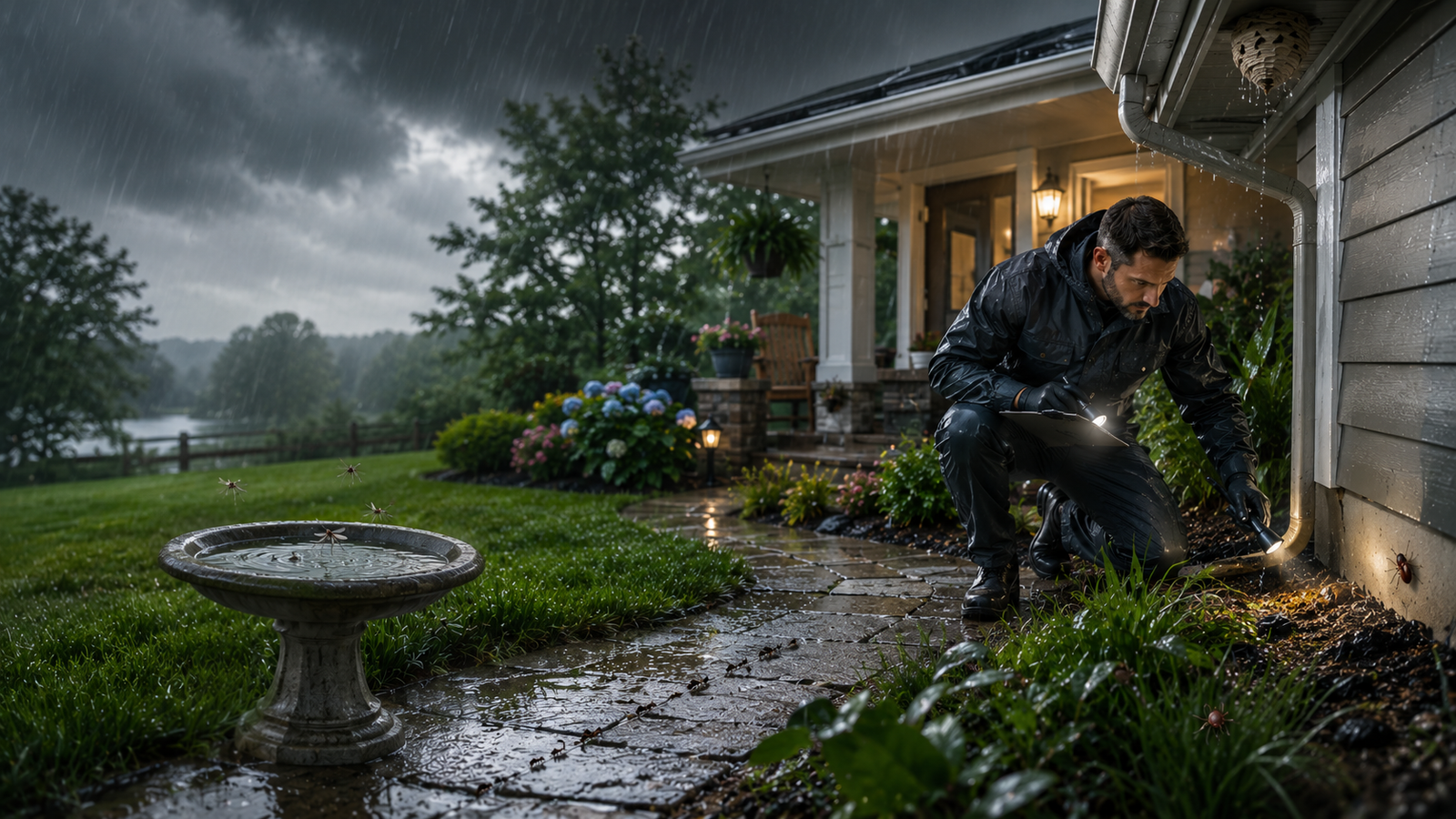
The arrival of the rainy season brings much-needed relief to gardens, but for homeowners, it often signals an unwelcome surge in rainy season pests. When the skies open up, the environment around your home changes drastically. Increased moisture, higher humidity, and the flooding of outdoor nesting sites drive countless insects and rodents to seek refuge in the one place that remains dry and hospitable: your home. Being prepared for these wet weather pests is not just about convenience; it is about protecting your family’s health and your property’s integrity.
Dealing with rainy season pests requires a proactive approach. Many homeowners wait until they see a line of ants in the kitchen or find a damp corner harboring silverfish before taking action. By then, an infestation may have already taken hold. This guide provides the expert insights you need to understand why these pests become active during the rains and how to deploy effective rainy season pest control measures to keep your living space secure.
Table of Contents
Why Rainy Season Pests Become More Active
The shift from dry to wet weather creates a biological imperative for pests to move. Understanding these triggers is key to your pest prevention strategy.
- Flooded Nests: Many insects, including ants and termites, build nests underground. When rain saturates the soil, these tunnels flood, forcing the colony to relocate immediately.
- Increased Moisture: Moisture is a magnet for rainy season pests. Whether it is a leaky roof, damp basement, or saturated mulch, these pockets of water provide the essential hydration pests need to survive.
- Higher Humidity: Elevated humidity levels inside the home make it easier for pests like silverfish and cockroaches to breathe and thrive, as they are highly sensitive to desiccation.
- Indoor Shelter: When the outdoor environment becomes hostile—either too wet or too cold—pests naturally gravitate toward the climate-controlled comfort of your home.
- Food Availability: Rain can wash away outdoor food sources, driving pests toward your pantry and trash bins as they search for stable nutrition.
Most Common Rainy Season Pests
Different species react differently to the rains. Recognizing which monsoon pests you are facing will dictate your treatment plan.
Mosquitoes
Identification: Small, buzzing insects that leave itchy, red bites.
Why they appear: They rely on standing water—puddles, gutters, or pet bowls—to lay their eggs.
Risks: Aside from the nuisance, they are major vectors for disease. Always monitor CDC: Prevent Mosquito Bites updates.
Prevention: Eliminate all standing water within 48 hours of rainfall.
Cockroaches
Identification: Fast-moving, nocturnal insects often found near plumbing.
Why they appear: They seek the warmth and moisture inside homes when the humidity outside peaks.
Risks: They trigger asthma and carry pathogens. Our How to Prevent Cockroaches guide provides deep-dive solutions.
Prevention: Repair leaky pipes and use high-quality Best Cockroach Killers to create a barrier.
Ants
Identification: Distinct trails leading toward water or food sources.
Why they appear: Flooded nests drive them indoors in search of higher, drier ground.
Risks: Contamination of food. Use our Best Ant Killers to target the colony.
Prevention: Seal cracks in your foundation and store food in airtight containers.
Termites
Identification: Mud tubes on foundations or hollow-sounding wood.
Why they appear: Rain softens the soil, making it easier for termites to navigate and build.
Risks: Massive, silent structural damage. See our Termite Identification Guide for early detection.
Prevention: Keep firewood away from the house and use How to Prevent Termites strategies to protect your structure.
Rodents
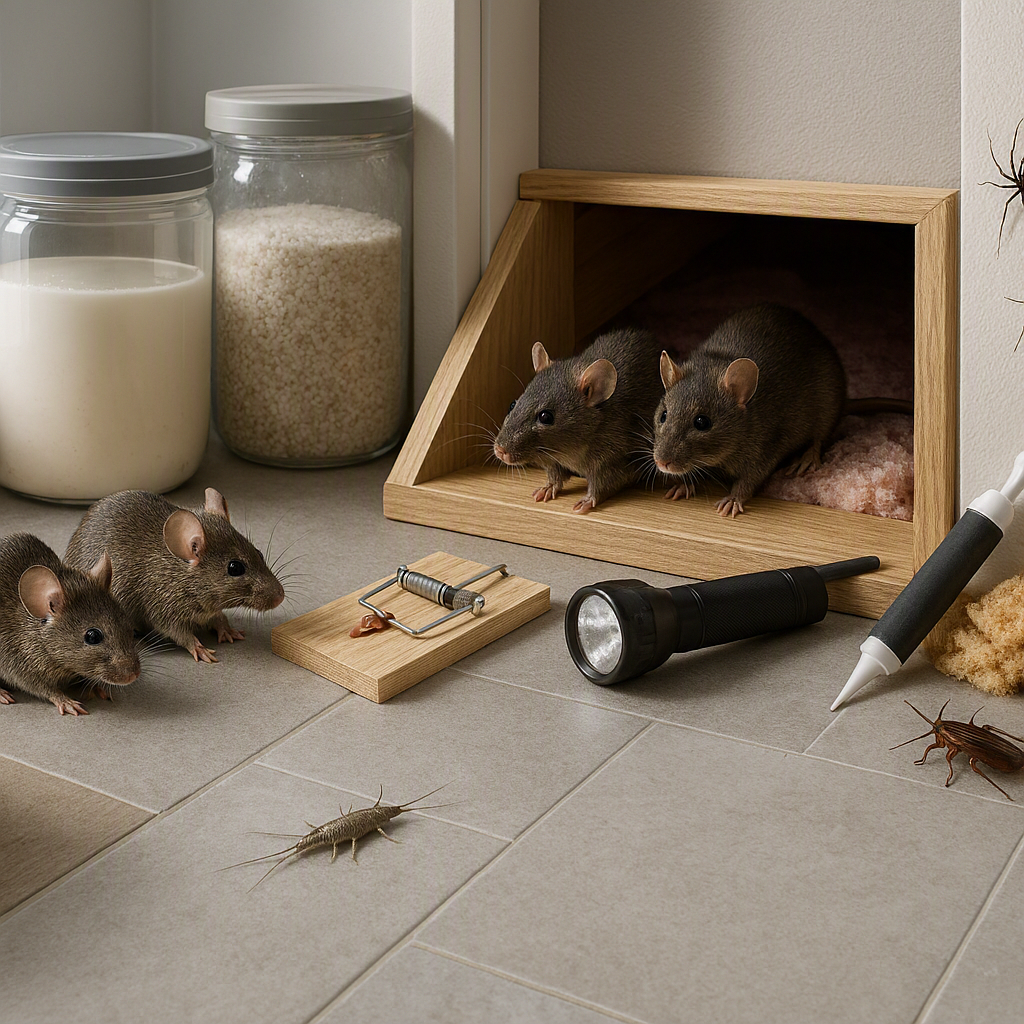
Identification: Droppings, gnaw marks, or scratching sounds in walls.
Why they appear: They seek shelter from the wet, cold conditions outside.
Risks: They cause electrical fires by gnawing wires and spread disease.
Prevention: Use hardware cloth to seal every gap larger than a dime.
Flies
Identification: Persistent buzzing insects near waste.
Why they appear: Rain brings organic waste to the surface, creating breeding sites.
Risks: They spread bacteria from trash to your food prep areas.
Prevention: Use tight-fitting lids on all outdoor and indoor trash bins.
Silverfish
Identification: Silver, wingless insects that move like a fish, often found in damp areas.
Why they appear: They love high humidity and damp paper or fabrics. Consult our Silverfish Identification Guide to learn more.
Risks: They eat books, wallpaper, and clothing.
Prevention: Use a dehumidifier to keep indoor humidity below 50%.
Earwigs
Identification: Dark-colored insects with pincer-like appendages at the rear.
Why they appear: They thrive in cool, moist, dark environments like mulch.
Risks: They can invade in large numbers, becoming a major nuisance.
Prevention: Move mulch away from the foundation and keep the perimeter dry.
Rainy Season Pests Comparison Table
| Pest | Risk Level | Health Risk | Property Damage | Where Found | Best Prevention Method |
| Mosquitoes | High | High | None | Water Removal | Outdoor |
| Cockroaches | High | High | Low | Plumbing Areas | Sanitation |
| Ants | Moderate | Low | Moderate | Foundation Gaps | Baiting |
| Termites | Critical | None | High | Structural Wood | Professional Inspection |
| Rodents | High | High | High | Wall Voids | Exclusion |
How to Prevent Rainy Season Pests
Follow this checklist to stop rainy season pests in their tracks before they find a way inside.
- Fix Water Leaks: Check under sinks and around toilets for even minor drips.
- Improve Drainage: Ensure downspouts direct water at least 5 feet away from your foundation.
- Clean Gutters: Clogged gutters create pools of water—the perfect mosquito hatchery.
- Trim Vegetation: Cut back tree limbs and shrubs so they do not touch your siding.
- Seal Cracks: Use silicone caulk to seal gaps in your foundation, siding, and around utility pipes.
- Repair Screens: Check windows and doors for tears that allow household pests to enter.
- Reduce Humidity: Run exhaust fans in bathrooms and use dehumidifiers in basements.
- Store Food Properly: Seal dry goods in plastic or glass containers.
- Empty Trash: Take trash out daily and ensure bins have tight lids.
- Inspect Regularly: Conduct a perimeter walk every time it rains to spot new issues.
Indoor vs Outdoor Rainy Season Pests
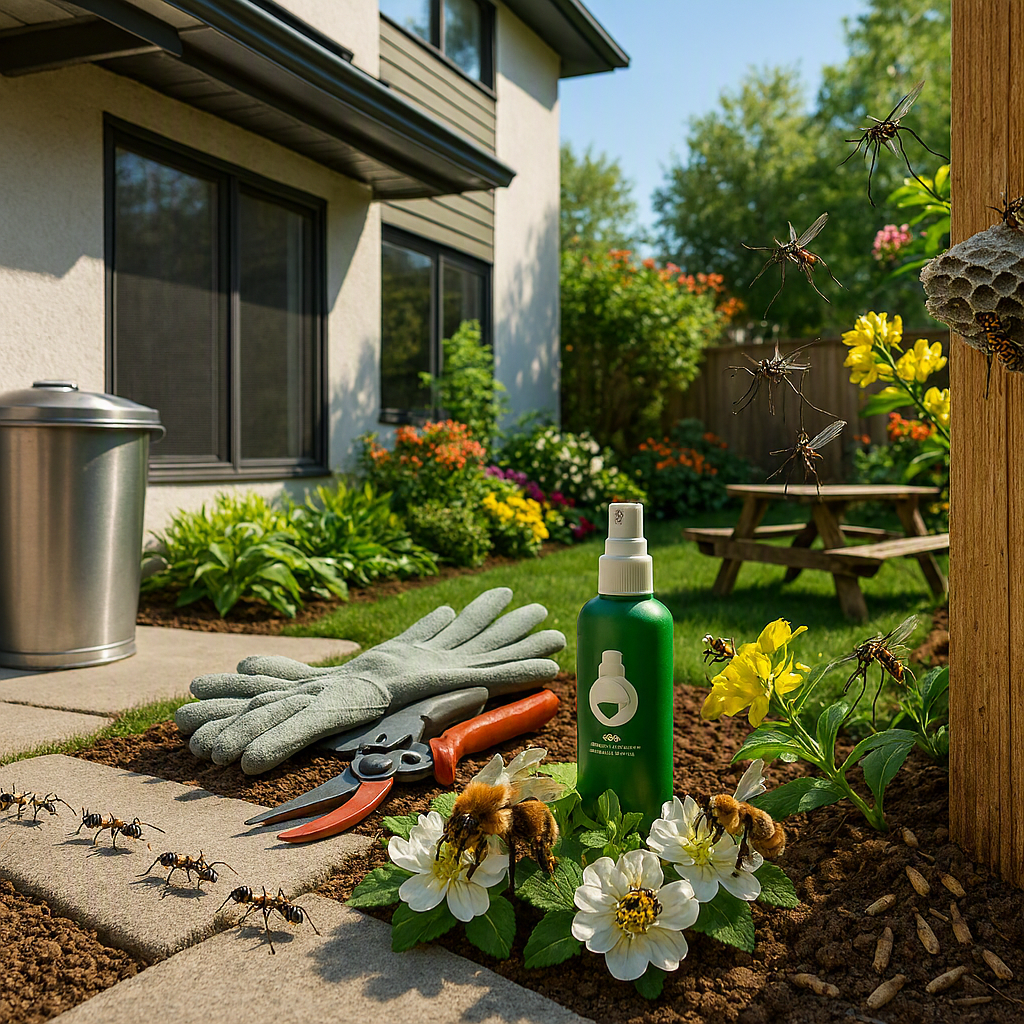
Indoor summer pests (like silverfish and cockroaches) focus on finding refuge and steady moisture. Prevention here is about environmental control—dehumidifying, cleaning, and sealing. Outdoor pests (like mosquitoes and wasps) are about habitat management. You must remove the resources they need to thrive—like standing water and overgrown vegetation. For a comprehensive look, see our Outdoor Pests Guide and Household Pests Guide.
Integrated Pest Management (IPM) During the Rainy Season
IPM is the gold standard for seasonal pest control. It focuses on long-term prevention rather than just spraying chemicals.
- Inspection: Know what you are dealing with by using our Pest Identification Guide.
- Monitoring: Use sticky traps to see where pests are traveling.
- Exclusion: The physical blocking of entry points is your most valuable tool.
- Sanitation: If there is nothing to eat or drink, the pest will leave.
- Habitat Modification: Changing the surroundings to make them less attractive to pests.
- Targeted Treatment: If you must use Best Pest Control Products for Home, apply them only in specific areas according to the label. Always refer to NPIC: Choosing a Pest Control Product for guidance.
Common Mistakes Homeowners Make
Even the best pest prevention efforts can be undone by simple errors:
- Ignoring Standing Water: A single cup of water can hatch hundreds of mosquitoes.
- Storing Firewood Against the House: This creates a highway for rodents and termites to enter.
- Blocking Drainage: Ensure your landscape allows water to flow away from, not toward, the house.
- Overwatering Gardens: Excess moisture near the foundation is a common trigger for termite and ant activity.
- Using Incorrect Pesticides: Always verify your product is intended for indoor or outdoor use as specified by the EPA and Clemson University Extension: Home & Garden Information Center.
Rainy Season Home Maintenance Checklist
Before the next storm, walk through this checklist to stay ahead of rainy season pests:
- Check the Perimeter: Walk the foundation to look for new cracks or gaps.
- Clear Gutters: Remove leaves and debris to prevent overflow.
- Inspect Screens: Ensure all window screens are tight and free of holes.
- Test Dehumidifiers: Ensure your basement unit is running effectively.
- Audit the Pantry: Check for signs of pests in dry food.
- Review Landscaping: Ensure no plants are touching the house walls.
- Manage Waste: Ensure your outdoor trash can has a secure, heavy lid.
- Look for Drips: Check under all sinks for signs of water buildup.
- Store Firewood: Ensure wood is elevated and at least 20 feet from the house.
- Install Door Sweeps: Use sturdy metal or rubber sweeps on exterior doors.
Frequently Asked Questions
- Why do I see more bugs when it rains? Rain forces pests out of their outdoor burrows and nests, and they look for dry, stable shelter.
- Are rainy season pests dangerous? Some are, especially those that spread bacteria or cause structural damage.
- How do I stop mosquitoes if my neighbors don’t? Focus on your own property—remove all containers and standing water.
- Is it normal to see ants inside during a rainstorm? Yes, this is very common as their outdoor colonies become waterlogged.
- How do I protect my pantry? Use airtight glass or plastic containers; this stops the pest’s ability to smell or access your food.
- Can I spray for bugs while it’s raining? No, rain will wash away most outdoor treatments, rendering them ineffective.
- Why are silverfish appearing now? They thrive in humidity; ensure your bathroom and basement are well-ventilated.
- Is it a termite or an ant? Termites have straight antennae and a broad waist; ants have elbowed antennae and a pinched waist.
- What is the best way to seal a crack? Use high-quality silicone caulk, which is flexible and weather-resistant.
- How do I prevent rodents? Exclusion—seal every hole.
- Do I need a professional? If you have a deep-seated infestation like termites or large rodent colonies, yes.
- Where can I find more tips? Explore our Home Pest Control resources for season-specific advice.
Conclusion
The rainy season doesn’t have to be a time of pest-related anxiety. By understanding the biology of rainy season pests and applying consistent, evidence-based prevention techniques, you can keep your home a dry, comfortable sanctuary. Start your maintenance today—don’t wait for the next storm to uncover a weakness in your defenses. Use our Pest Prevention Tips to create a robust plan, and stay vigilant during the wet months. Consistent, professional-grade Home Pest Control is your best insurance against a large-scale pest infestation.
Key Takeaways:
- Identify before you buy: Never buy a generic product without confirming the target species.
- Baits vs. Sprays: Baits clear nests, while sprays create barriers — use each for its strength, not interchangeably.
- The label is law: Follow dilution, application, and safety instructions exactly.
- Keep it dry: Dusts and powders need dry cavities to stay effective for years.
Choosing the right pest control products from the start saves money and avoids scattering an infestation deeper into your home. For related reading, see our Prevent Household Pests guide, our Prevent Cockroaches guide, our Termite Identification guide, or our Bed Bug Identification guide.
Sources: