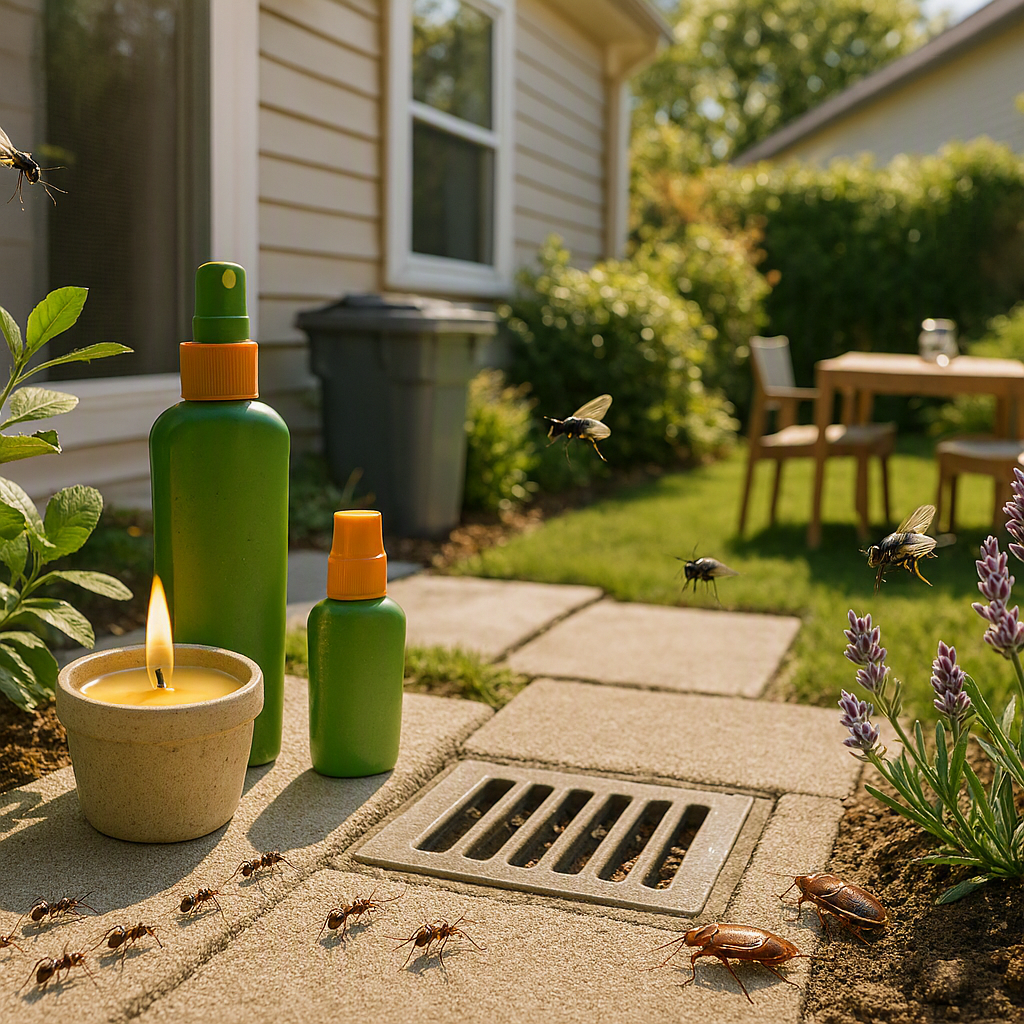
As the temperature rises, properties face a major surge in insect activity. Sun and heat trigger a biological shift, turning quiet structural voids and garden beds into busy hubs for summer pests.
Understanding how to prevent summer pests requires more than reacting when you spot an insect. You need a plan that stops warm-weather pests from breeding in the first place. This guide explains why these invaders thrive in the heat and gives practical steps to keep your home pest-free all summer long.
Table of Contents
Why Summer Brings More Pests
Insects are ectothermic, meaning their body temperature and metabolism are driven by the environment. As spring gives way to summer heat, insect development speeds up dramatically — eggs hatch faster and larvae mature into breeding adults sooner.
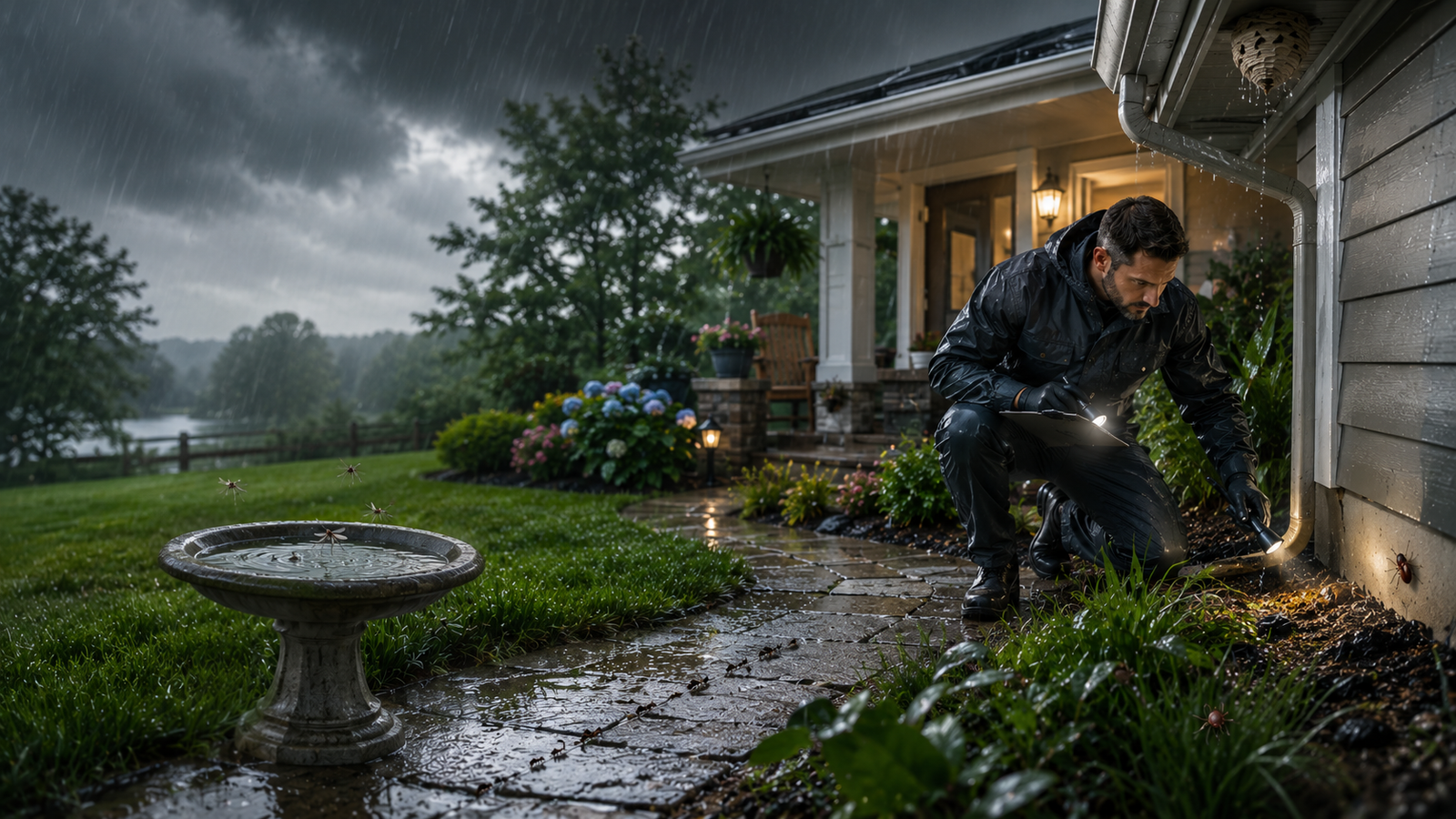
At the same time, summer thunderstorms create standing water and high humidity, giving summer pests the perfect conditions to feed, multiply, and expand their territory.
Most Common Summer Pests
Several types of summer pests are highly likely to invade your home and garden during peak season:
| Pest | Why It’s Common in Summer | Main Risks | Best Prevention Method |
|---|---|---|---|
| Mosquitoes | Warm, stagnant water speeds larval growth | West Nile virus, Zika, heartworms | Tip over standing water, clean gutters weekly |
| Ants | Heat drives scouts indoors for moisture and sugar | Food contamination, structural damage | Wipe counters, seal cracks with caulk |
| Flies | Decaying garbage rots faster | Salmonella, E. coli, food-borne pathogens | Seal trash cans, remove pet waste daily |
| Wasps | Queen colonies peak by mid-summer | Painful stings, allergic reactions | Seal roof eaves, hang decoy nests early |
| Bees | Flower blooms prompt swarming | Stings (though vital pollinators) | Seal wall voids, call a keeper for relocation |
| Cockroaches | Humidity pushes them to travel outdoors | Asthma triggers, bacteria spread | De-clutter storage, fix plumbing leaks |
| Ticks | Tall grass and wildlife movement increase | Lyme disease, Rocky Mountain spotted fever | Mow lawns short, clear brush borders |
| Fleas | Humidity and heat speed egg-hatching | Skin irritation, tapeworms in pets | Treat pets year-round, vacuum regularly |
| Spiders | Abundant prey draws them near homes | Venomous bites (rare species) | Clear clutter, sweep away webs |
Signs of Summer Pest Activity
Catching an infestation early prevents outdoor summer pests from establishing indoor nests:
- Fresh mud tubes and foraging trails — structured ant lines across foundation walls or patio joints
- Swarms around outdoor lighting — moths, beetles, and flying termites near entry points
- Fine silk webbing in overhangs — fresh strands across soffits, window frames, and railings
- Audible buzzing in wall cavities — a sign wasps or yellowjackets are nesting inside a void
How to Prevent Summer Pests
The most effective approach changes the physical conditions around your property so pests can’t find food, water, or shelter:
- Remove standing water — tip over containers, clear gutters, change birdbath water every three days
- Store food safely — airtight containers instead of cardboard; no pet food left out overnight
- Seal core entry gaps — caulk utility pipe entries and mesh over crawl space vents
- Keep trash containers sealed — wash bins regularly to remove odors that attract flies and wasps
- Maintain the yard — mow weekly, keep firewood raised and away from the house
- Trim vegetation — branches and bushes at least 2 feet from the roofline and siding
- Check window and door screens — repair rips that let in biting gnats
- Eliminate indoor moisture — a dehumidifier below 50% humidity discourages silverfish and roaches
Best Pest Control Methods for Summer
- Apply a liquid residual barrier — spray a 3-foot band around the foundation and up the wall.
- Use gel baits outdoors — near entry cracks so workers carry the treatment back to the colony.
- Hang non-toxic traps — pheromone fly bags and yellowjacket traps 20 feet from seating areas.
Natural Ways to Keep Summer Pests Away
- Plant repelling herbs — rosemary, lavender, basil, and mint discourage mosquitoes and flies
- Spread diatomaceous earth — dehydrates crawling pests like ants and ticks along garden borders
- Use essential oil barriers — peppermint or lemongrass mixed with water around window frames
Common Summer Pest Control Mistakes
- Over-spraying flowers and blooms — kills pollinators; focus treatments on structural lines instead
- Leaving flying traps close to decks — draws more stinging insects into seating areas
- Ignoring larval breeding grounds — spraying adult mosquitoes without removing standing water won’t stop new generations
When to Contact a Professional
Call a professional if you find a large yellowjacket nest in wall voids, a widespread tick population across your lawn, or a fast-moving ant infestation you can’t control. Professionals have the protective gear and tools to safely remove stinging insect colonies.
Frequently Asked Questions
Why do ants suddenly invade clean kitchens during the summer? Heat dries out outdoor food and water sources, driving scouts indoors through foundation gaps to find moisture and crumbs.
What’s the most effective way to lower mosquito counts in summer? Empty all standing water around your property — this disrupts the breeding cycle before larvae become biting adults.
Can a clean home get a severe summer cockroach infestation? Yes. Heat and humidity push outdoor roaches through sewer lines and door sweeps, especially where damp pipes or condensation exist.
Will high summer heat kill off active flea populations? No — typical humid summer weather actually speeds up the flea lifecycle, causing faster hatching.
How do I safely get rid of a wasp nest under my roof eave? If small and accessible, spray it at night when wasps are resting, using a long-range aerosol product.
Does a bug zapper help control summer mosquitoes? No. Studies show zappers mainly attract beneficial insects and moths — mosquitoes are drawn to breath, not light.
How often should I reapply an outdoor liquid pest barrier? Every 30 to 60 days, since sunlight and rain break the treatment down.
Why are spiders more visible inside my home during August? Insect populations peak in late summer, and spiders become more active hunting that abundant food supply.
Is it safe to spray pesticides on my home vegetable garden? Only products labeled for edible gardens, following wait-time instructions — or use natural options like neem oil.
How can I stop ticks from entering my backyard from nearby woods? A 3-foot border of crushed stone or wood chips between lawn and woods discourages ticks from crossing.
Key Takeaways
- Target standing water first — tip over containers weekly to stop mosquito larvae
- Maintain your landscaping — mow short and trim branches back from the roofline
- Apply perimeter protection early — before summer heat reaches its peak
- Keep trash cans clean — sealed lids prevent fly and wasp problems
Staying ahead of summer pests is far easier than dealing with an established infestation later. For related reading, see our Pest Control overview, our Signs of Pest Damage guide, our DIY Pest Control guide, or our Get Rid of Ants guide.
Sources: EPA: Seasonal Pest Management Guide · CDC: Avoid Mosquito and Tick Bites · USDA: Summer Insect Distribution Research · UC IPM: Summer Pests in Households and Gardens · University of Florida Extension: Mosquito Breeding Sites