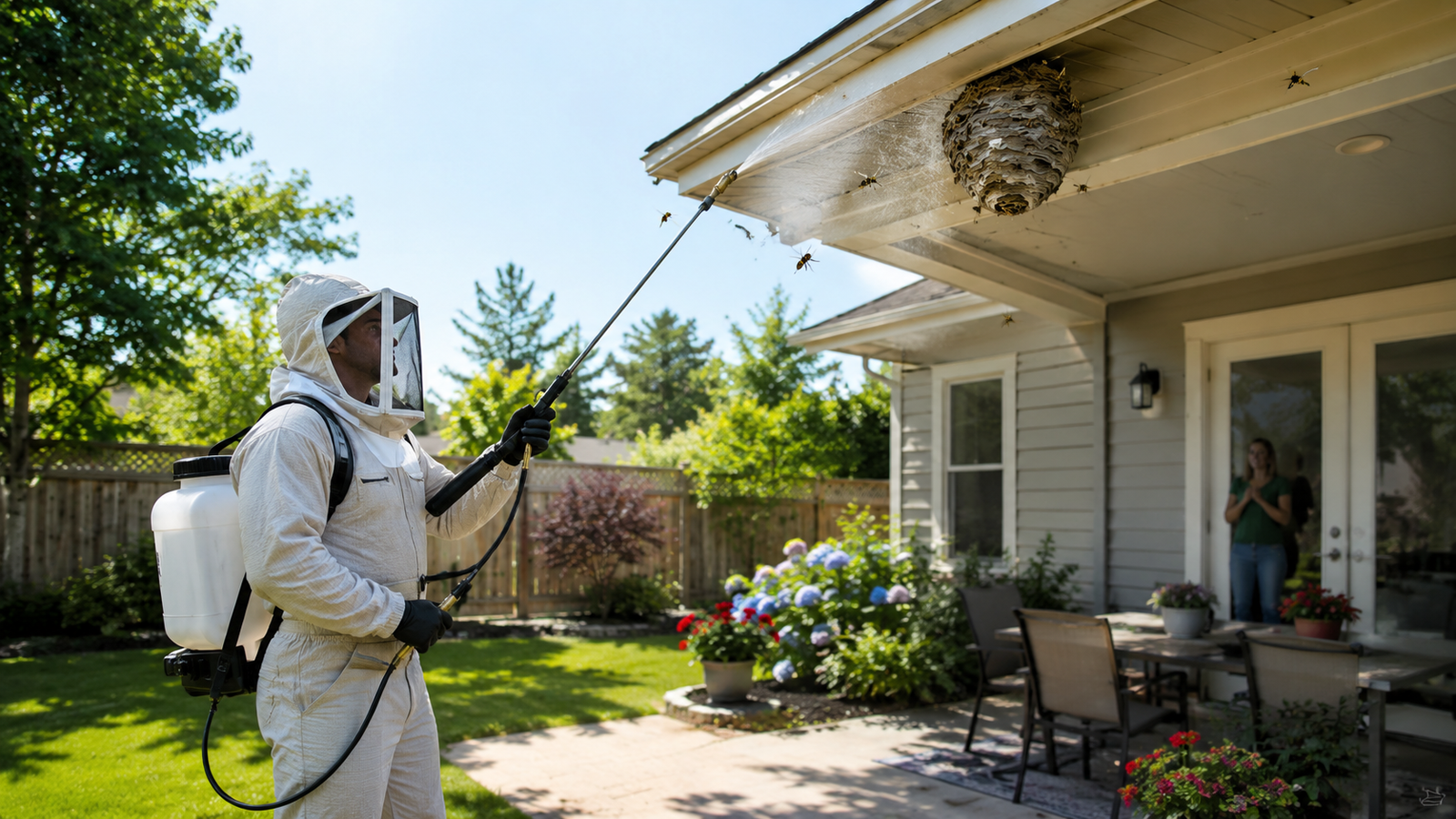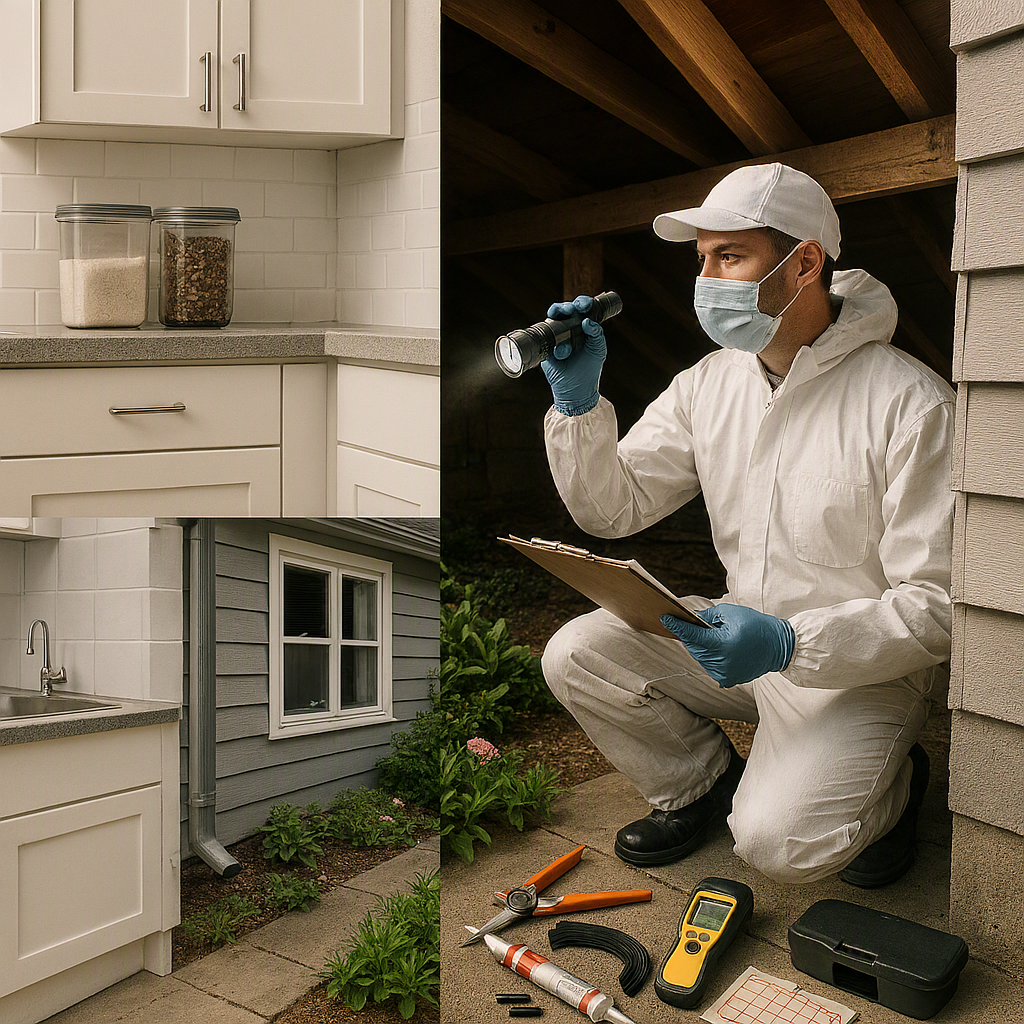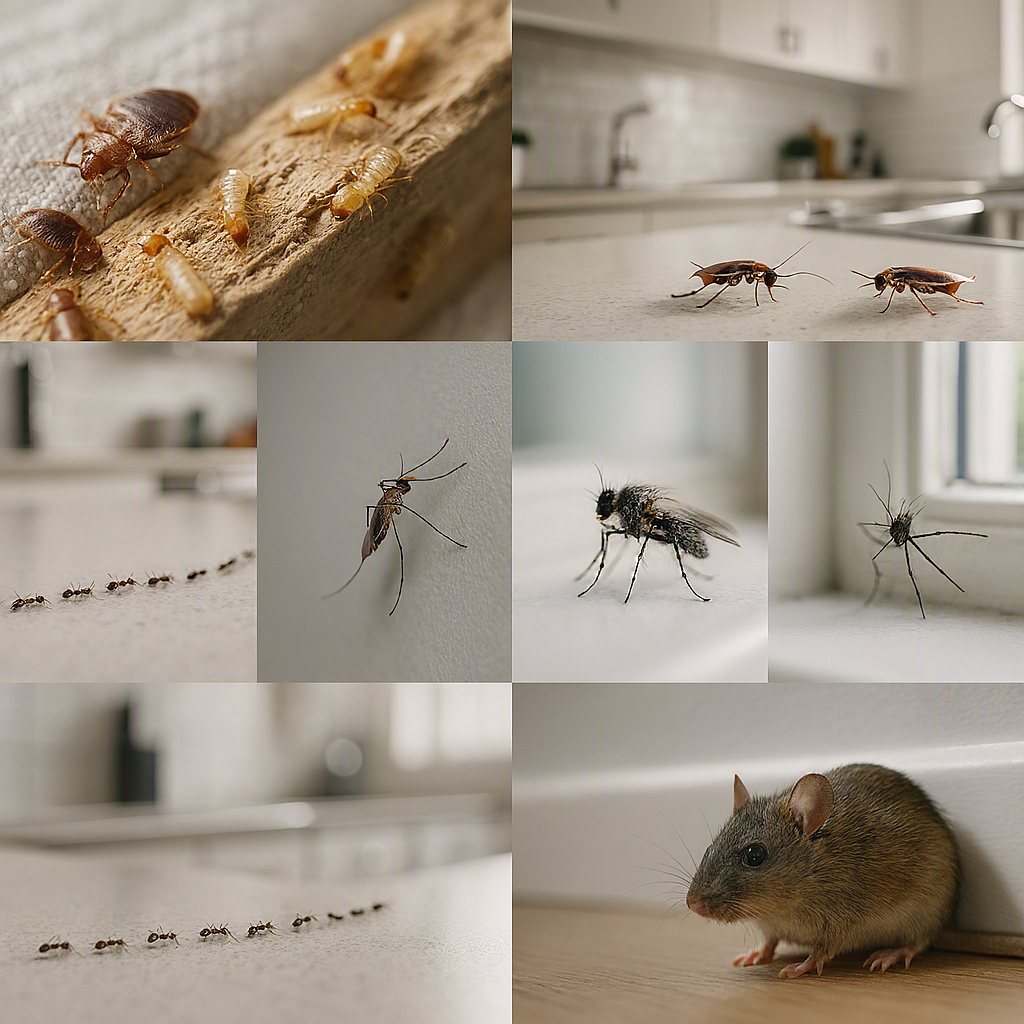
Managing bugs and rodents doesn’t always require calling an expensive exterminator. For many common household issues, a DIY pest control approach is highly effective, letting you eliminate active infestations and fortify your home at a fraction of the cost.
Successful DIY pest control requires more than blindly spraying chemical aerosols. It demands a systematic approach rooted in pest biology, proper tool usage, and strict safety protocols. This guide breaks down everything a beginner needs to safely execute pest control at home.
Table of Contents
What Is DIY Pest Control?
Definition: DIY pest control is the practice of inspecting, identifying, treating, and preventing structural pest infestations on your own property using commercially available tools, baits, and exclusion techniques.
Benefits: the most obvious upside is cost savings — handling minor pest issues yourself eliminates the labor fees charged by commercial companies. It also gives you full control over exactly what products are used around your family and pets.
Limitations: DIY methods require real time and physical labor. Over-the-counter products are occasionally less concentrated than commercial-grade options, meaning they need precise placement and consistency to wipe out a hidden colony.
Common Household Pests You Can Treat Yourself
Many common invaders can be managed on your own if caught early.
| Pest | DIY Difficulty | Recommended Treatment | When to Call a Professional |
|---|---|---|---|
| Ants | Low to Moderate | Sugar or protein gel baits; sealing entry cracks | Lines persist for weeks, indicating a hidden sub-slab nest |
| Cockroaches | Moderate | Gel baits in hinges; sticky monitoring traps | Heavy roach populations active during daylight |
| Flies | Low | Removing breeding material; fly ribbon or UV traps | Persistent, untraceable drain fly source |
| Mosquitoes | Low to Moderate | Emptying standing water; microbial larvicides | Public health warnings for viral outbreaks |
| Spiders | Low | De-webbing corners; clearing clutter; sticky traps | Significant infestations of dangerous species |
| Silverfish | Low | Dehumidifying basements; thin borate dust layers | Widespread damage to valuable book collections |
| Fleas (Minor) | Moderate | Washing bedding; daily vacuuming; IGR carpet sprays | Severe outbreak throughout all rooms |
Essential DIY Pest Control Tools
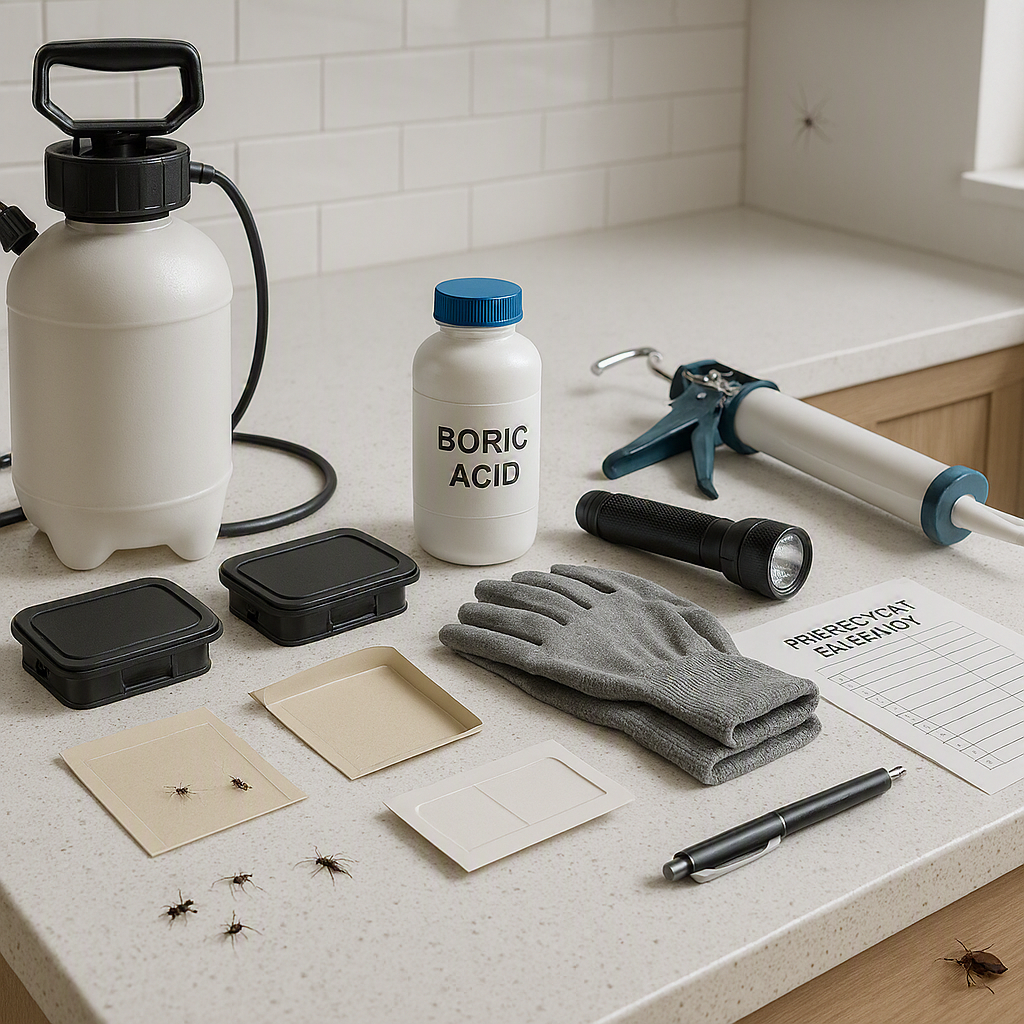
A solid beginner toolkit should include:
- Sticky traps — non-chemical glue boards to catch and track insects along baseboards
- Bait stations — tamper-resistant enclosures that keep baits away from kids and pets
- Gel baits — slow-acting pastes that transfer through an entire colony
- Handheld sprayer — a 1-gallon pump sprayer for even perimeter application
- Chemical-resistant gloves — heavy nitrile gloves for mixing and handling
- High-powered flashlight — for inspecting dark voids and crawl spaces
- Caulking supplies — silicone caulk and a caulking gun to seal entry points
- HEPA vacuum — removes pests, shed skins, and egg cases from carpets
Step-by-Step DIY Pest Control Process
- Identify the pest — examine body shape and damage signs before choosing a treatment.
- Inspect the affected area — check under sinks, behind appliances, in pantries, and along the foundation.
- Remove food and water sources — wipe grease, store dry goods in airtight bins, fix leaks.
- Apply the appropriate treatment — follow label guidelines for gel baits, stations, or sprays.
- Monitor results — check sticky traps weekly to confirm the treatment is working.
- Prevent reinfestation — caulk gaps, install door sweeps, and trim vegetation back from siding.
Safety Tips When Using Pest Control Products
- Read labels thoroughly — the label is the law, with mandatory guidelines and first-aid instructions.
- Wear PPE — long sleeves, pants, goggles, and chemical-resistant gloves when mixing or handling.
- Keep kids and pets away from treated areas until sprays dry, typically 1–2 hours.
- Store products safely — original containers, high shelf or locked cabinet, cool and dry.
- Dispose of containers properly — never pour leftover chemicals down drains; check local disposal guidelines.
Common DIY Pest Control Mistakes
- Over-applying sprays — drenching baseboards doesn’t kill faster and can scatter insects deeper into walls.
- Using repellents near baits — the smell repels pests, causing them to avoid the bait entirely.
- Piling powders too thick — pests will simply walk around a visible pile; apply dusts in a micro-thin layer.
When DIY Methods Are Not Enough
DIY works well for localized or early-stage issues, but some situations need a professional. Extensive termite mud tubes, structural wood damage, bed bug infestations across multiple rooms, or wildlife nesting in attic insulation call for specialized injection gear, thermal remediation, and industrial safety equipment.
Frequently Asked Questions
Is DIY pest control as effective as professional treatment? For minor to moderate ant, roach, spider, or cricket infestations, a disciplined DIY approach can be just as effective, provided you use quality products and follow instructions correctly.
What’s the safest natural pest control method? Physical exclusion (caulk and door sweeps) plus strict sanitation are the safest methods, since they introduce zero toxins into your home.
Why are pests ignoring the gel bait I put down? It may have dried out, been contaminated by nearby sprays or cleaners, or is competing with easily available food like grease or crumbs.
Can I mix different pest control chemicals together? No. Never mix concentrates unless the label explicitly says to — mixing can cause dangerous reactions or cancel out effectiveness.
How often should I spray around the outside of my house? Exterior barriers break down within 30–60 days from sun and rain exposure. Reapply every two to three months during active seasons.
Where should I place sticky traps? Flat against walls, behind appliances, inside pantries, and near exterior doorways, since pests travel along baseboards rather than open floors.
Does vinegar kill household pests? Not on contact, but it strips away the scent trails ants leave behind, disrupting their travel patterns.
Is diatomaceous earth safe inside cupboards? Yes, with food-grade DE applied as a micro-thin layer using a bulb duster in cracks and corners.
How do I stop mice from chewing through caulk? Pack gaps with stainless steel wool or copper mesh before layering caulk over the top — mice can chew through plain silicone.
Should I treat my house if I don’t see any bugs? Light exterior perimeter spraying and seasonal maintenance are good preventative habits, but avoid indoor chemical treatments unless you identify an active problem.
Key Takeaways
- Sanitation first — remove competing food, water, and shelter before deploying treatments
- Invest in quality gear — flashlight, sticky traps, silicone caulk, and a pump sprayer
- Follow the label — protect your family and pets by sticking to mixing and placement instructions
- Target the whole colony — slow-acting baits beat quick-kill sprays for lasting results
For species-specific treatment, see our Best Cockroach Killers guide, Best Termite Treatments guide, or our Integrated Pest Management guide for the full prevention framework.
Sources:
EPA: Controlling Pests Safely at Home ·
CDC: Safe Use and Storage of Pesticides ·
NPIC: Choosing and Using Pesticides Safely ·
UC IPM: Household Pest Solutions ·
Ohio State University Extension: Household Pest Management