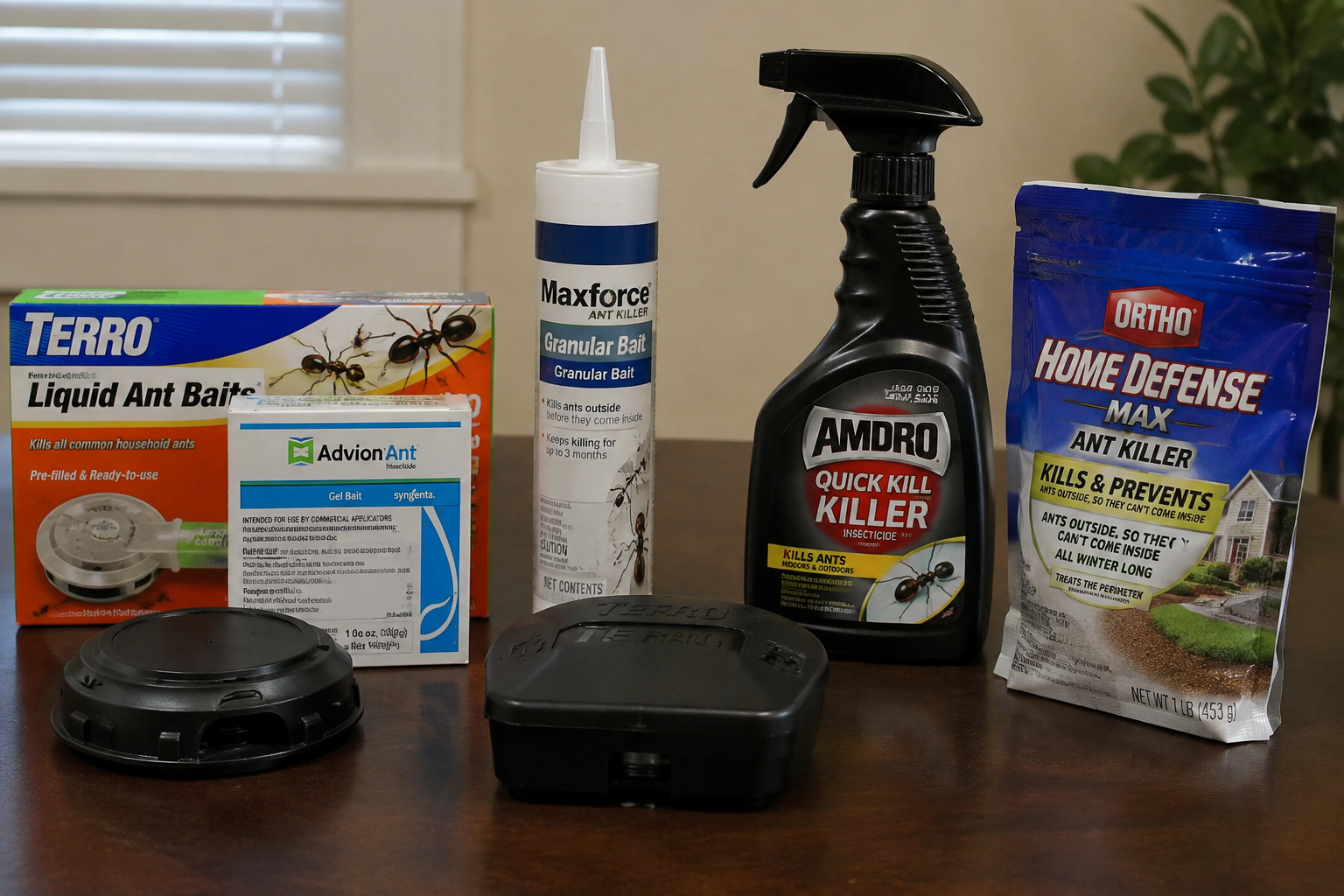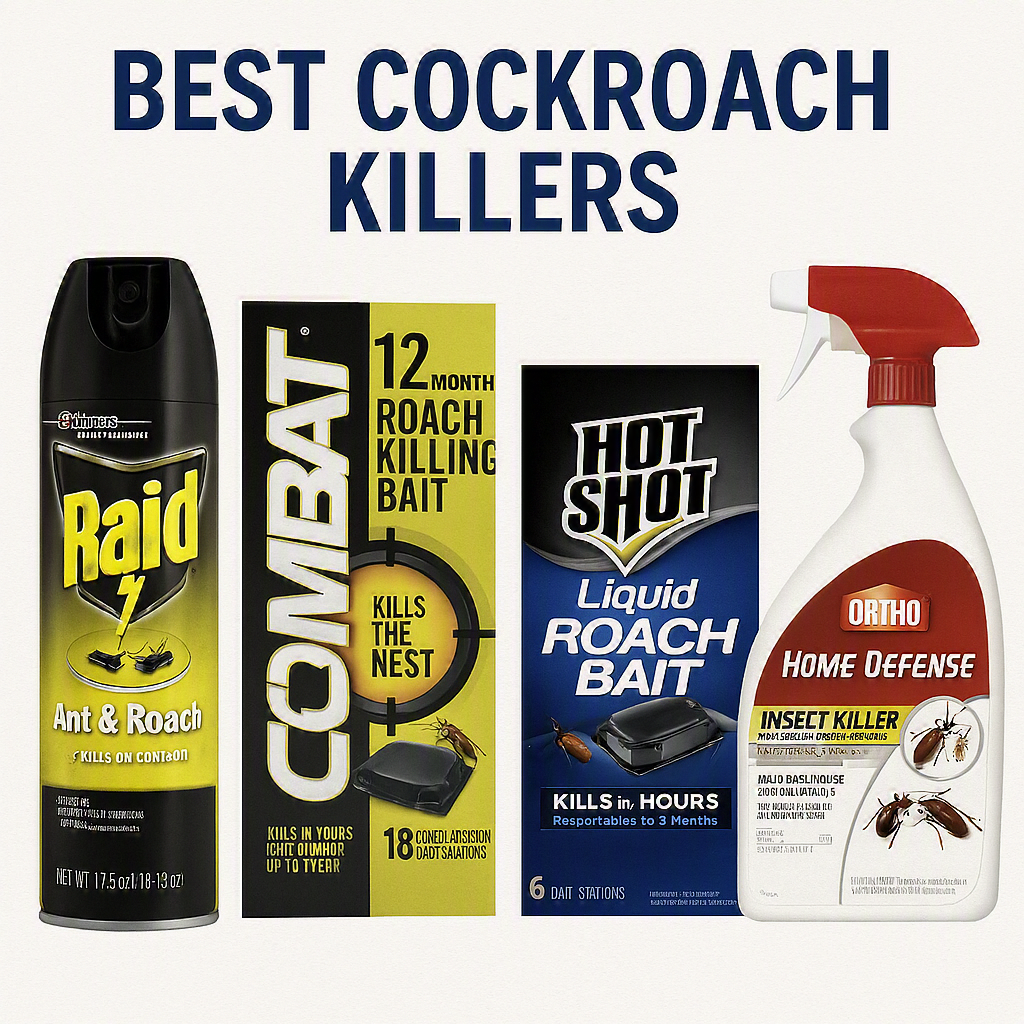
Finding the best cockroach killer that actually works is the first step toward reclaiming your home from an infestation. A cockroach scurrying across your kitchen floor is usually just the visible tip of a much larger, hidden colony.
Most homeowners grab a random aerosol spray off the shelf. This rarely solves the root problem. A real eradication strategy needs the correct combination of products, applied the right way.
Table of Contents
Understanding the Best Cockroach Killer Options
Successful pest control isn’t about one product. It’s about layering several tools so the colony is hit at every life stage.
Cockroaches are tough. A single female German cockroach can produce hundreds of offspring in a year. That’s why picking the right best cockroach killer format matters more than picking a “strong” one.
Why Baits Outperform Sprays
Contact sprays only kill the roaches you can see. The hundreds hiding in your walls stay untouched — and many sprays actually scatter survivors into new hiding spots.
Gel baits work differently. A roach eats the bait, carries it back to the nest, and spreads it to the colony through grooming and cannibalism. This “domino effect” is what makes gel bait the best cockroach killer choice for hidden infestations.
The Role of Insect Growth Regulators
Insect Growth Regulators (IGRs) act like birth control for roaches. They don’t kill adults on contact. Instead, they stop nymphs from maturing into breeding adults.
Pairing an IGR with a gel bait is one of the most effective best cockroach killer combinations available, since it stops the population from rebounding after the initial die-off.
Identifying Your Cockroach Species
Knowing your species changes your strategy:
- German cockroaches — small, light brown, breed fastest, found in kitchens and bathrooms
- American cockroaches — larger, reddish-brown, often in basements and drains
- Oriental cockroaches — dark, prefer damp, cool spaces like crawl spaces
German roaches respond best to indoor gel bait. American roaches often need perimeter treatment since they travel in from outside.
Signs You Have a Serious Infestation
Watch for these warning signs:
- Roaches active during the day (they’re naturally nocturnal)
- A musty or oily smell in cabinets
- Pepper-like droppings along baseboards
- Egg cases in hidden corners
If you see several of these together, a single spray won’t cut it — you need the full multi-product approach below.
Choosing the Best Cockroach Killer for Your Home
| Product Type | Best For | Pros | Cons |
|---|---|---|---|
| Gel Baits | Indoor colonies | Kills the hidden nest | Slower acting |
| Bait Stations | Kitchens, homes with pets | Enclosed and safe | Limited placement |
| Residual Sprays | Perimeter barriers | Fast knockdown | Can repel bait |
| Dusts | Wall voids | Long-lasting | Needs precise application |
| IGRs | Stopping reproduction | Prevents rebound | No immediate kill |
Step-by-Step Application Plan
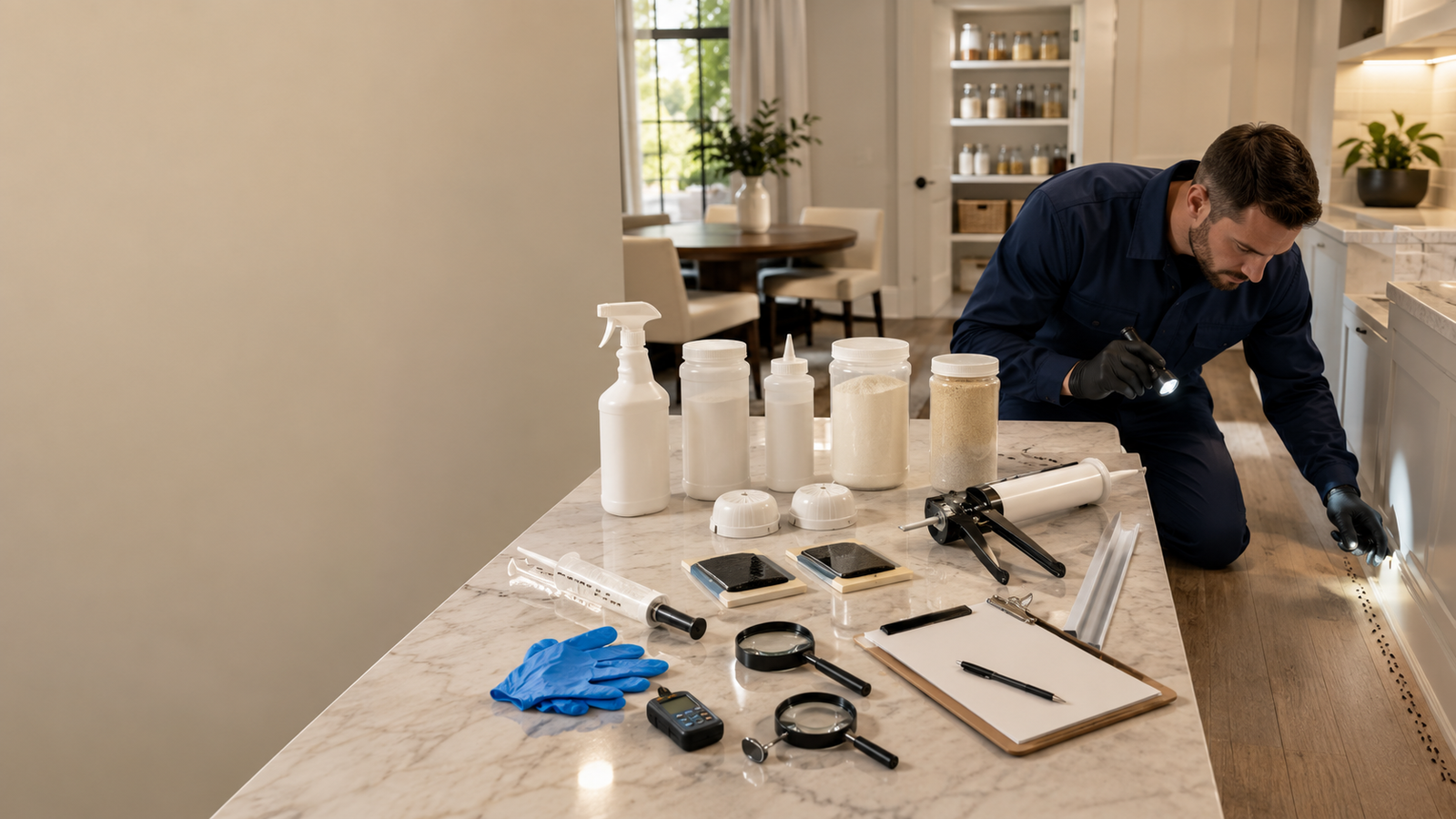
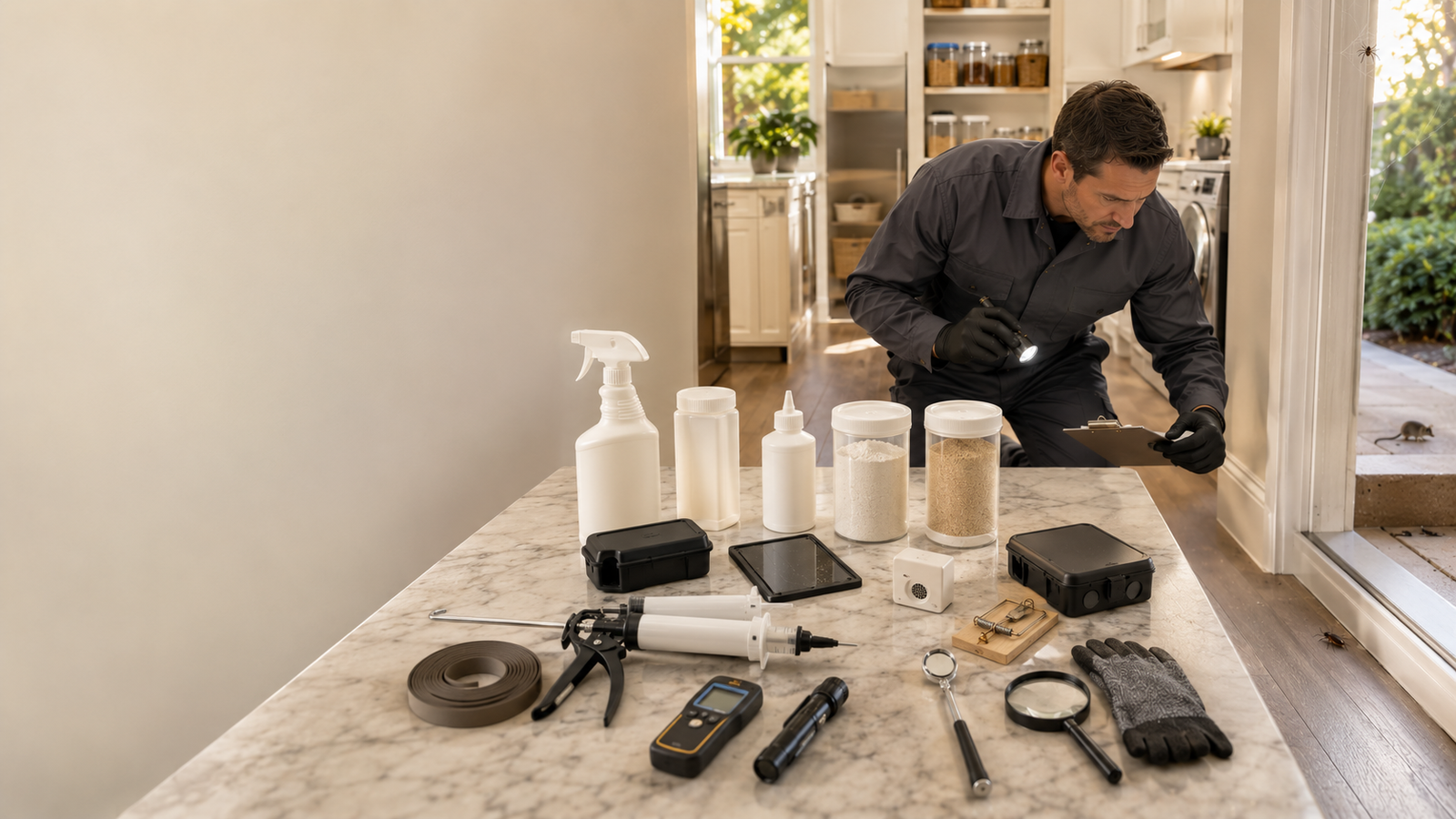
- Inspect at night with a flashlight to find active zones.
- Clean thoroughly — grease and crumbs compete with bait.
- Place gel bait in pea-sized dots near hinges and cracks.
- Add enclosed bait stations in kid/pet zones.
- Dust wall voids with a thin, barely-visible layer.
- Add an IGR to stop reproduction.
- Monitor weekly and reapply per label instructions.
Natural and Non-Toxic Alternatives
If you want to limit chemical use:
- Diatomaceous earth — dehydrates roaches on contact
- Boric acid — effective in thin layers, doesn’t harm eggs
- Essential oils (peppermint, tea tree) — repellents, not killers
- Sticky traps — good for monitoring, not full elimination
These work best for light infestations or alongside a stronger baiting plan.
Safety Around Kids and Pets
Enclosed bait stations are the safest option in homes with children or pets, since the insecticide stays contained. If you use open gel bait, place it only where kids and pets can’t reach — behind appliances or inside cabinet hinges, never on open counters.
Common Mistakes to Avoid
- Contaminating bait with cleaning sprays nearby
- Ignoring nymphs — a sign your bait isn’t reaching the nest
- Over-cleaning bait zones before roaches can forage
- Giving up early — gel bait needs 1–3 weeks to show full results
Frequently Asked Questions
What is the single best cockroach killer? There’s no single product, but gel baits with indoxacarb or fipronil are considered the gold standard for indoor colonies.
Can roaches become immune to killers? Yes, especially German cockroaches, which can develop resistance. Rotate active ingredients periodically.
Does boric acid kill eggs? No. It kills roaches that ingest it but has no effect on unhatched egg cases.
How do I treat roaches inside appliances? Never spray liquids into electronics. Use sticky traps and enclosed bait stations nearby instead.
When should I call a professional? If baiting for over a month shows no real reduction, the infestation is likely too deep for DIY methods.
Conclusion
The best cockroach killer strategy isn’t about brute force — it’s slow-acting bait, an IGR to stop reproduction, and strict sanitation working together. Consistency is what wins. Check our Cockroach Control Guide for a full step-by-step treatment walkthrough, or browse our Pest Identification Guide to confirm your species before you buy.
Sources:
EPA: Cockroach Control and Safety ·
CDC: Pests and Pesticides ·
UC IPM: Cockroach Management ·
University of Florida Extension