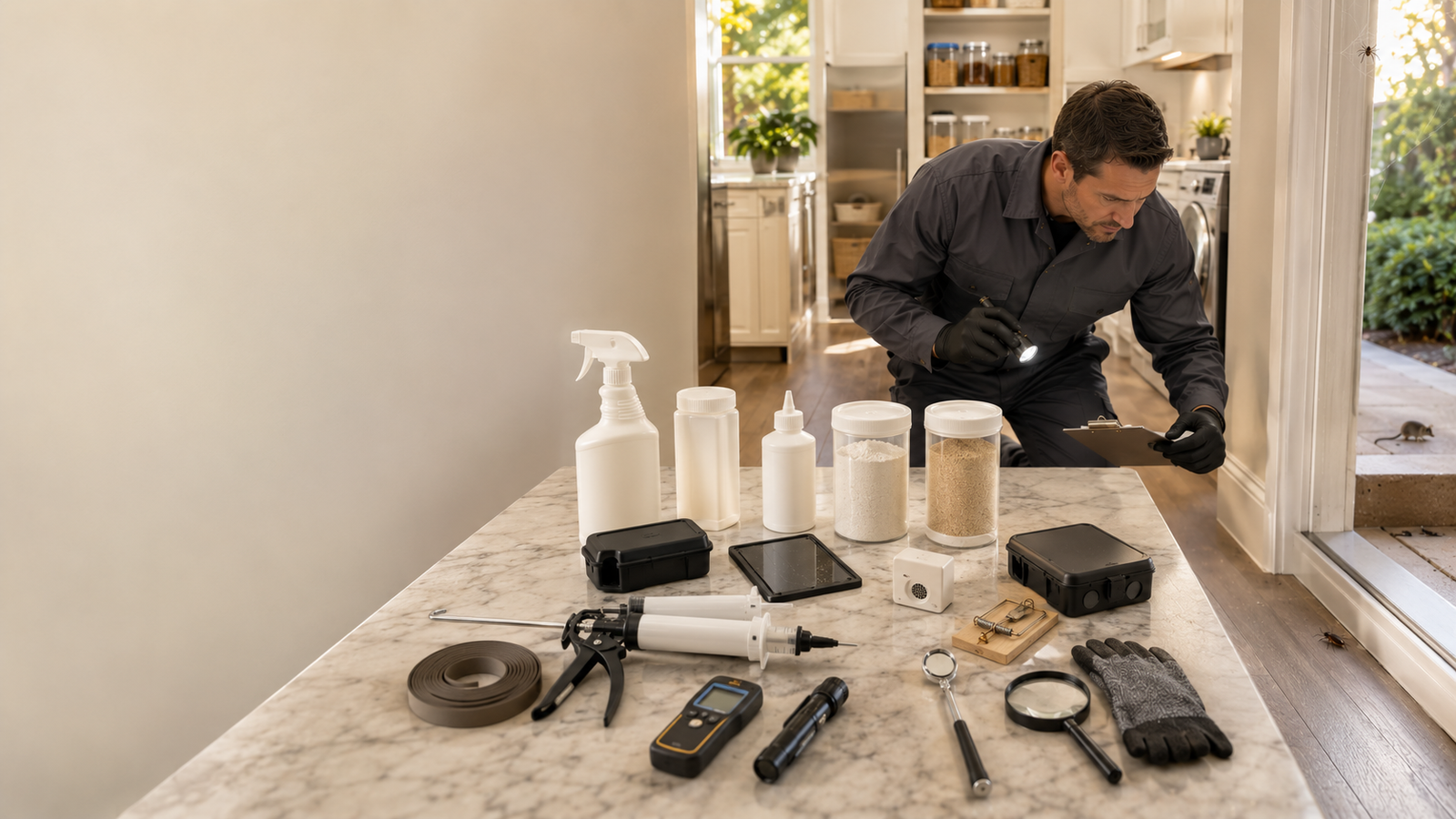
Taking control of a household pest issue doesn’t always require an expensive visit from an exterminator. With the right information and strategy, DIY treatment can be effective, fast, and budget-friendly — but the sheer volume of choices on the shelf can feel overwhelming.
Choosing the best pest control products for your home depends on the target pest, infestation severity, and whether you’re treating indoor areas or outdoor perimeters. This guide breaks down the top categories available in 2026 to help you make an informed, safe purchase.
Table of Contents
Types of Pest Control Products
Modern pest control relies on an Integrated Pest Management approach, with different product types working through distinct mechanisms:
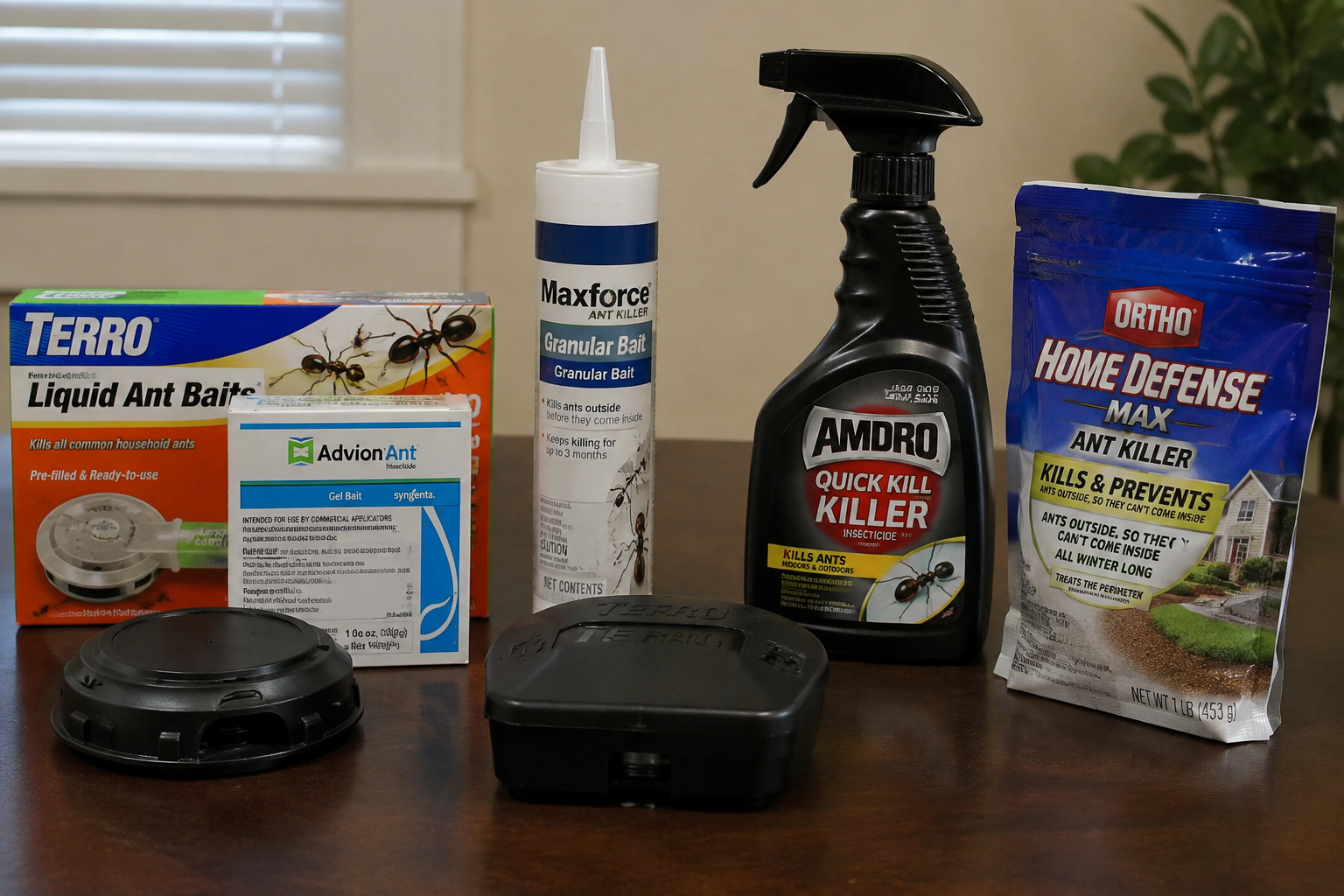
- Sprays — ready-to-use triggers or concentrates for instant contact kill or a long-lasting residual barrier
- Baits — mimic appealing food so pests carry the active ingredient back to the hidden nest
- Traps — mechanical devices like snap traps or sticky boards for monitoring and capture without chemicals
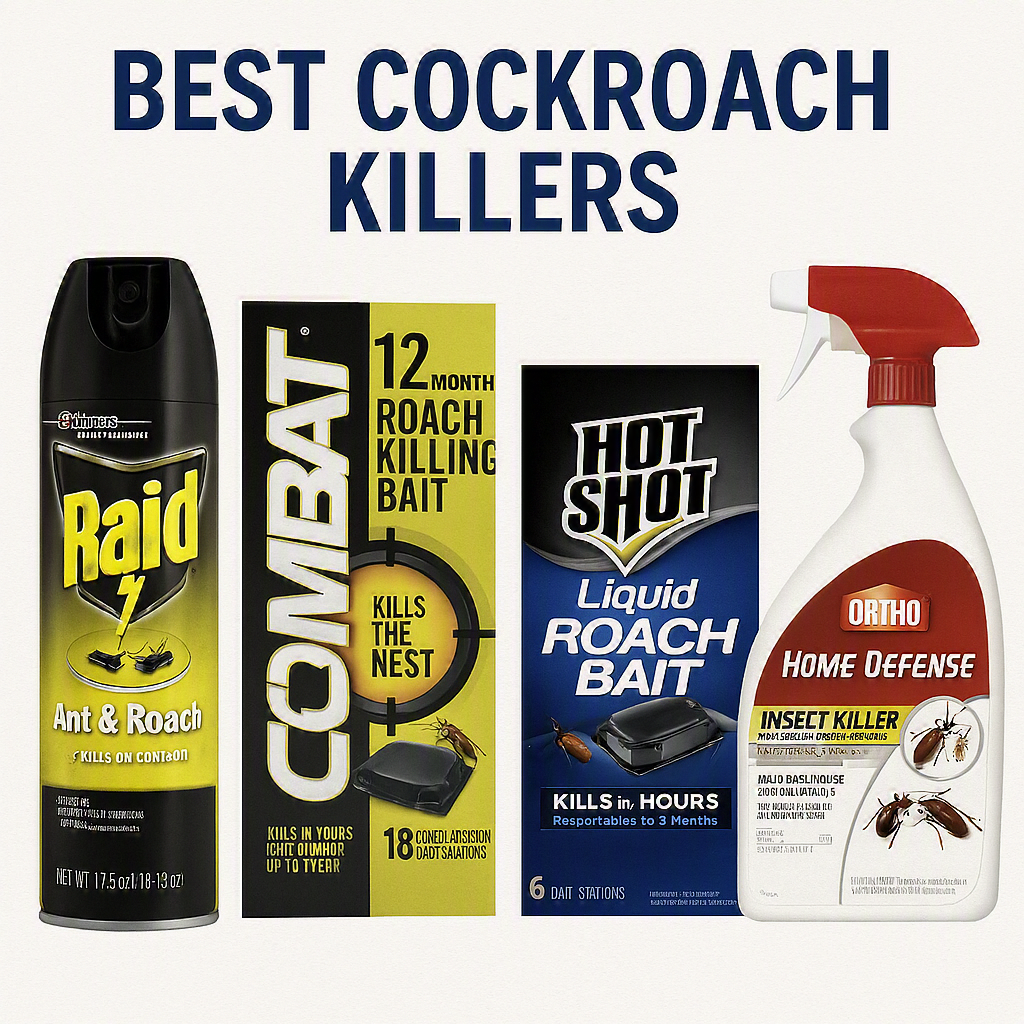
- Gels — targeted bait formulas squeezed into cracks and hinges, the gold standard for roaches and ants
- Granules — weather-resistant pellets applied to outdoor soil that dissolve with rain or watering
- Dusts — fine powders like boric acid applied into dry wall voids and outlets, effective for years
- Repellents — drive pests away from a boundary rather than killing them
- Electronic repellents — ultrasonic plug-ins with limited long-term efficacy per university studies
- Natural products — plant-based oils or minerals like diatomaceous earth for chemical-free control
Top Recommended Product Categories
Use this comparison to find the best pest control products for your situation:
| Category | Best For | Pros | Cons | Indoor/Outdoor |
|---|---|---|---|---|
| Liquid Residual Sprays | Perimeter barriers, foundation lines | Long-lasting, covers large areas | Needs protective gear, drift risk | Both |
| Gel Baits | Indoor ants and cockroaches | Eliminates the hidden nest | Slow-acting, must avoid pet reach | Indoor |
| Mechanical Traps | Mice, rats, monitoring bugs | Zero chemical residue | Manual emptying, limited coverage | Both |
| Insecticide Dusts | Wall voids, plumbing chases | Extreme longevity, won’t wash away | Messy, airborne hazard if overapplied | Indoor dry voids |
| Exterior Granules | Yard turf, perimeter soil | Weather-resistant | Needs water activation | Outdoor only |
| Natural Mineral Dusts | Eco-conscious spot treatments | Low toxicity, no resistance | Slow, loses efficacy if damp | Both (dry areas) |
How to Choose the Right Product
- Target pest — a product for ants may be ignored by cockroaches, so identify the pest correctly first
- Safety around children and pets — prioritize low-toxicity options or tamper-resistant enclosed stations
- Ease of use — ready-to-use triggers for beginners, concentrates for those comfortable mixing
- Active ingredients — non-repellent transfer chemicals in baits, long-lasting pyrethroids for barriers
- Coverage area — match the volume to your square footage
- Effectiveness vs. cost — cheaper sprays often lack residual power and need frequent reapplication
Safe Usage Tips
- Read labels carefully — the label is federal law on application, amount, and frequency
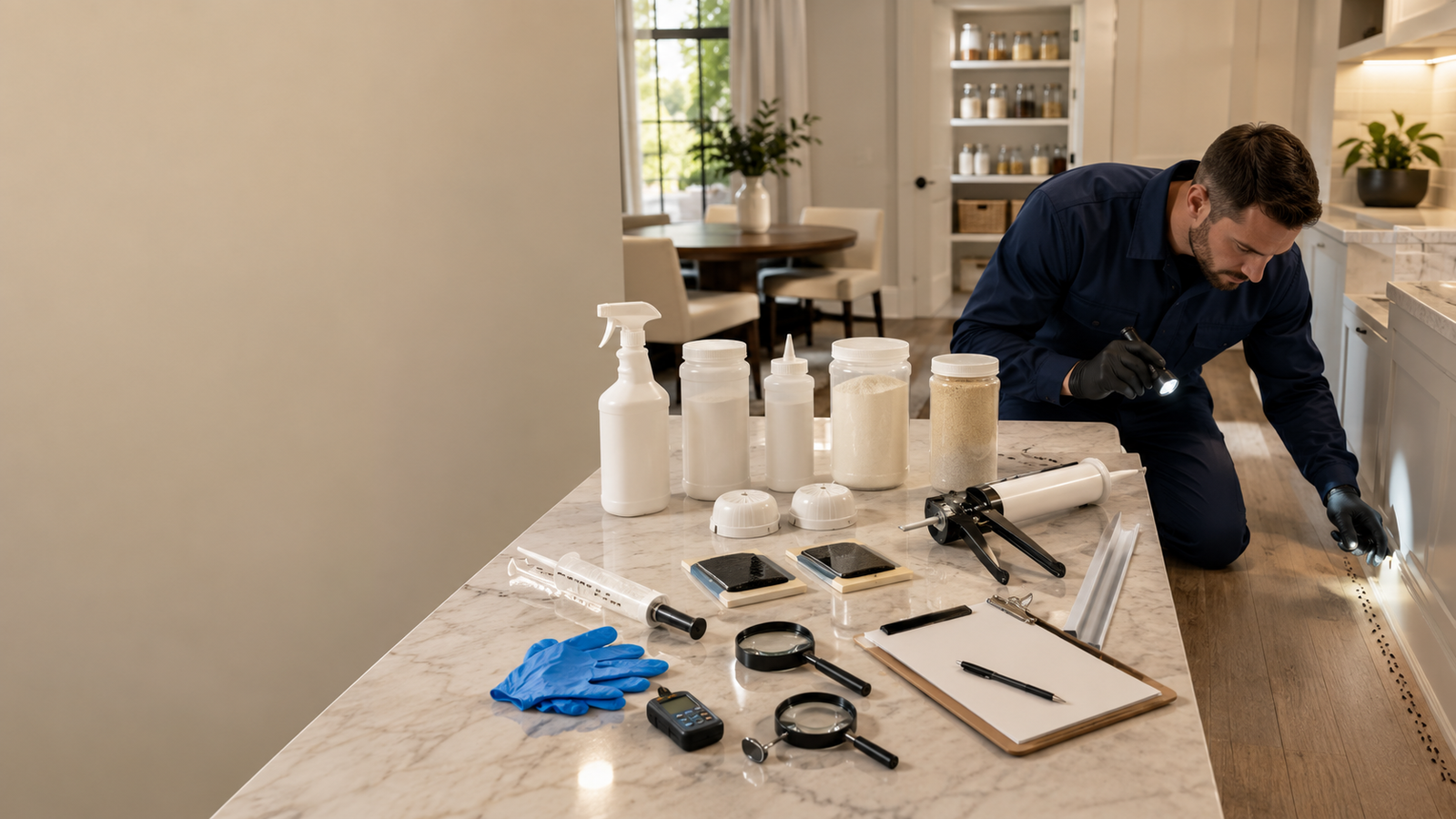
- Wear protective equipment — long sleeves, closed-toe shoes, gloves, and a mask for dusts
- Store products safely — original containers, high shelves or locked cabinets, never in food containers
- Follow application instructions — more product doesn’t mean better results
- Keep away from food and water sources — never near countertops, utensils, or pet bowls
Natural vs Chemical Products
Natural products use plant extracts like peppermint or clove oil, or minerals like diatomaceous earth. They pose low toxicity risk and degrade quickly, but lack strong residual power and need frequent reapplication.
Chemical products rely on lab-formulated ingredients like bifenthrin or fipronil, offering fast knockdown and months of protection. The trade-off is stricter application requirements and careful placement away from pollinators and pets.
Common Mistakes When Buying Pest Control Products
- Buying repellents instead of baits for social nests — repellents just cause ants to reroute instead of destroying the queen
- Over-applying dusts — thick, visible drifts get avoided; a micro-thin layer works better
- Using outdoor products indoors — higher concentrations formulated for open air can create toxic indoor air quality
- Relying on ultrasonic electronic plugs — independent research consistently shows these fail to deter pests
When DIY Products Aren’t Enough
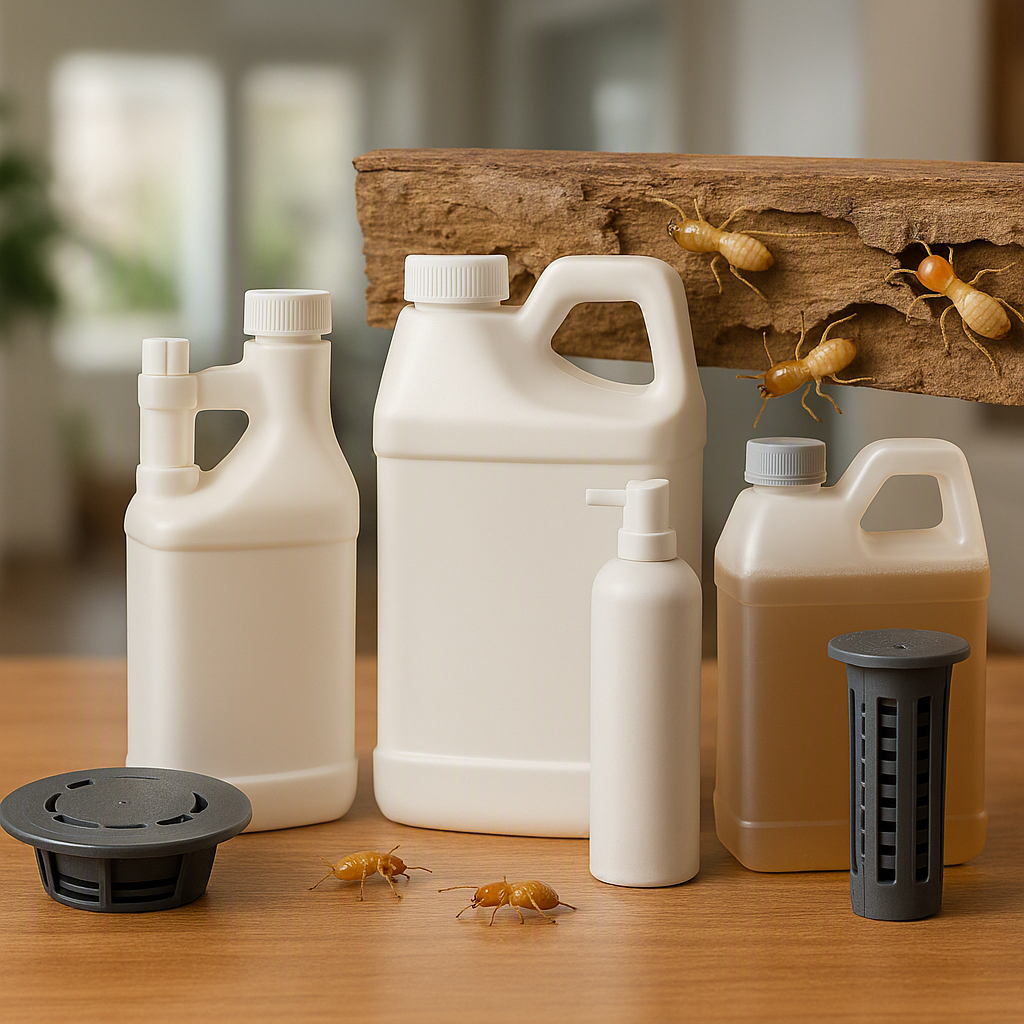
Consider a licensed professional if you’re dealing with wood-destroying organisms like termites, an infestation spread deep into wall voids or crawl spaces, resistant pests like bed bugs across multiple rooms, or if monitoring traps keep catching pests after weeks of consistent DIY treatment.
Frequently Asked Questions
What’s the difference between a contact spray and a residual spray? Contact sprays kill on direct contact with little lasting effect. Residual sprays leave an invisible film that stays lethal for weeks or months.
How long should pets stay away after spraying pest control products? Typically 2 to 4 hours, though you should always check the specific product label.
Why are ants or roaches ignoring the bait I bought? Their nutritional needs shift with breeding cycles — try a different bait type, or check if nearby sprays have contaminated it.
Can I mix different pest control sprays together to make them stronger? No. Mixing brands or concentrates can cause dangerous reactions, neutralize ingredients, or create toxic fumes.
Do natural pest control products actually work? Yes, but they break down faster in sunlight and air, requiring more frequent reapplication than synthetics.
What’s the best pest control product for a home with crawling babies? Mechanical traps out of reach, tamper-resistant bait stations behind appliances, or diatomaceous earth deep inside sealed voids.
How do exterior pest granules work? They dissolve with irrigation or rain, binding to soil and thatch to create a protective band at the foundation line.
Can pest control products expire? Yes. Most liquids and concentrates last 2 to 3 years if stored properly; dusts and granules last longer if kept dry.
Key Takeaways
- Identify before you buy — never buy a generic product without confirming the target species
- Baits clear nests, sprays create barriers — use each for its strength, not interchangeably
- The label is law — follow dilution, application, and safety instructions exactly
- Keep it dry — dusts and powders need dry cavities to stay effective for years
Choosing the right pest control products from the start saves money and avoids scattering an infestation deeper into your home. For related reading, see our Prevent Household Pests guide, our Prevent Cockroaches guide, our Termite Identification guide, or our Bed Bug Identification guide.
Sources: EPA: Citizen’s Guide to Pest Control and Pesticide Safety · NPIC: Choosing a Pest Control Product · UC IPM: Home and Landscape Pest Solutions · Clemson University Extension: Understanding Pesticide Labels · Colorado State University Extension: Insect Control Oils