Dealing with an active insect or rodent infestation can be incredibly stressful, expensive, and time-consuming. Many property owners wait until they spot a scurrying cockroach or a line of ants before taking action. But the most effective way to prevent household pests is proactive, not reactive.
A structural prevention plan is significantly easier and more cost-effective than eradicating an established population. By making your property less attractive to invaders, you can stop infestations before they take root. This guide gives you practical, actionable strategies to keep your home safe and bug-free year-round.
Table of Contents
Why Pest Prevention Matters
Investing time into routine maintenance yields massive returns when it comes to keeping invaders out. Proactive steps to prevent household pests help you:
- Protect your home — termites and carpenter ants compromise structural wood, while rodents chew wiring and insulation
- Protect your family’s health — cockroaches, rodents, and flies carry pathogens that can trigger asthma and allergic reactions
- Reduce repair costs — avoiding structural damage and emergency exterminator visits saves thousands over time
- Avoid food contamination — insects and mice ruin pantry staples by chewing through packaging
Common Household Pests You Can Prevent
A solid defensive strategy protects against a wide range of common invaders:
- Ants — drawn inside by the smallest food crumbs or spills
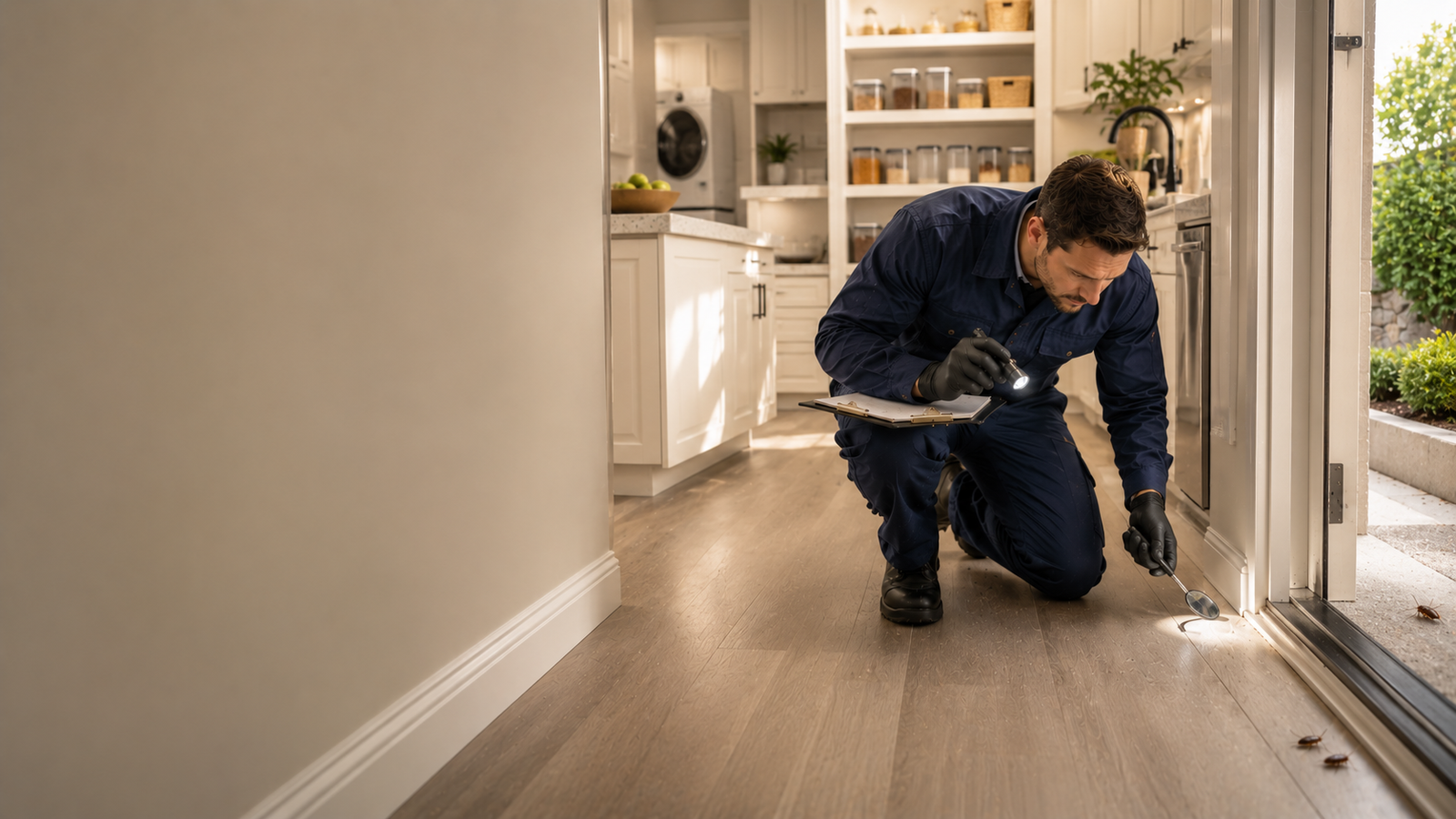
- Cockroaches — thrive in warm, dark, humid areas with food and water
- Termites — attracted to wood-to-soil contact and hidden moisture
- Bed bugs — hitchhike in via luggage, clothing, and secondhand furniture
- Rodents — squeeze through tiny gaps seeking warmth and food
- Mosquitoes — breed in stagnant, standing water
- Flies — drawn to garbage, pet waste, and decaying matter
- Spiders — enter looking for quiet spots to hunt other insects
Indoor Pest Prevention Tips
Keeping your home’s interior clean and sealed is your primary line of defense. These habits go a long way to prevent household pests before they ever get inside:
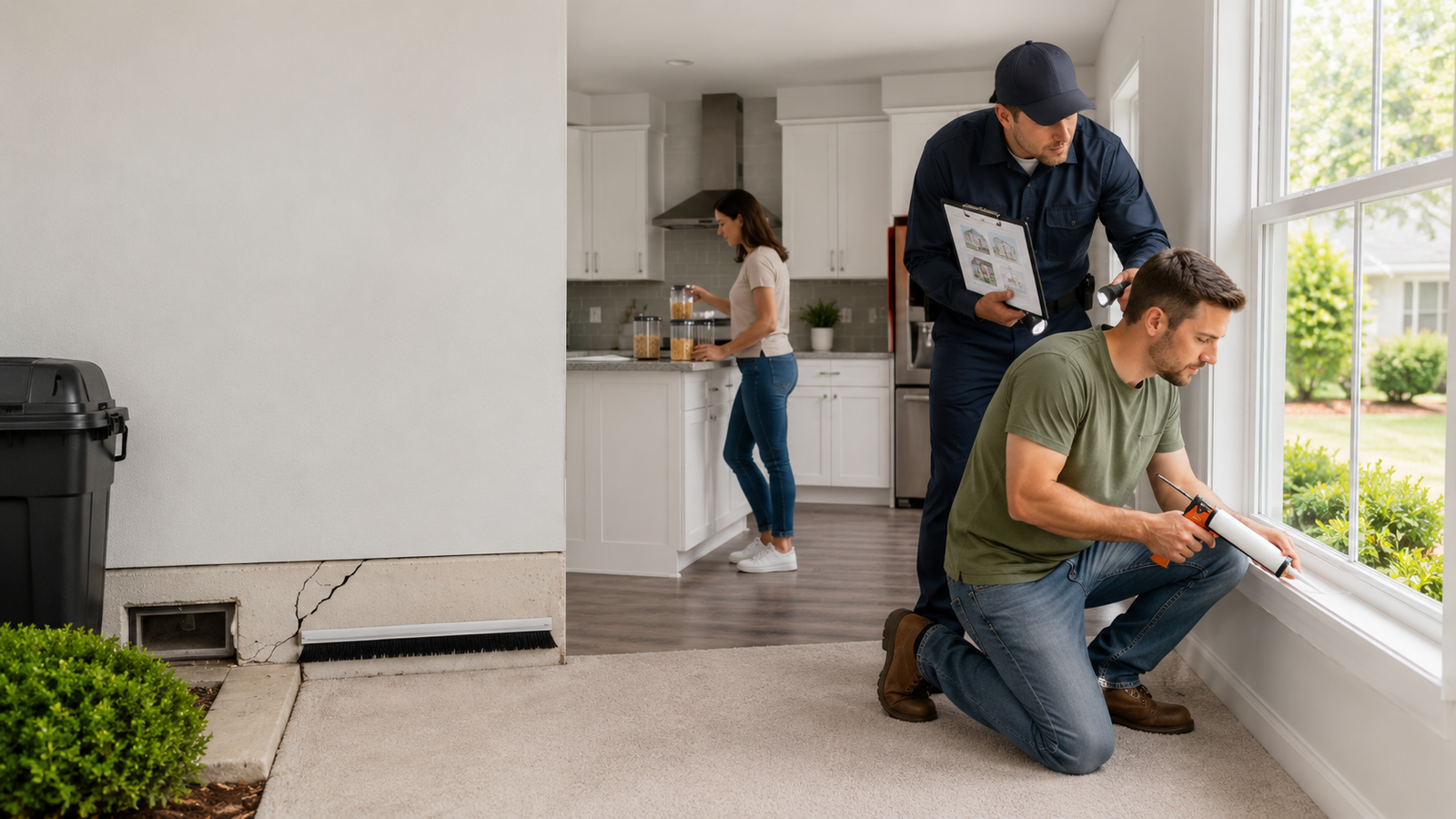
- Keep food properly stored — airtight containers instead of cardboard boxes
- Clean kitchen surfaces daily — wipe counters, sweep floors, wash dishes promptly
- Dispose of garbage regularly — tight-fitting lids and periodic bin washing
- Vacuum frequently — removes crumbs, eggs, and pet dander that feed pests
- Keep pet food sealed — no bowls left out overnight
- Declutter storage areas — plastic totes instead of cardboard boxes
- Inspect packages and luggage — check secondhand items and delivery boxes before bringing them inside
Outdoor Pest Prevention Tips
Your yard is the buffer zone — managing the exterior makes it much harder for pests to bridge the gap indoors, which is a key part of any plan to prevent household pests:
- Seal cracks and gaps — caulk small gaps, steel wool and foam for larger holes
- Eliminate standing water — empty containers weekly to interrupt mosquito breeding
- Fix plumbing leaks — repair spigots, condensation lines, and irrigation leaks
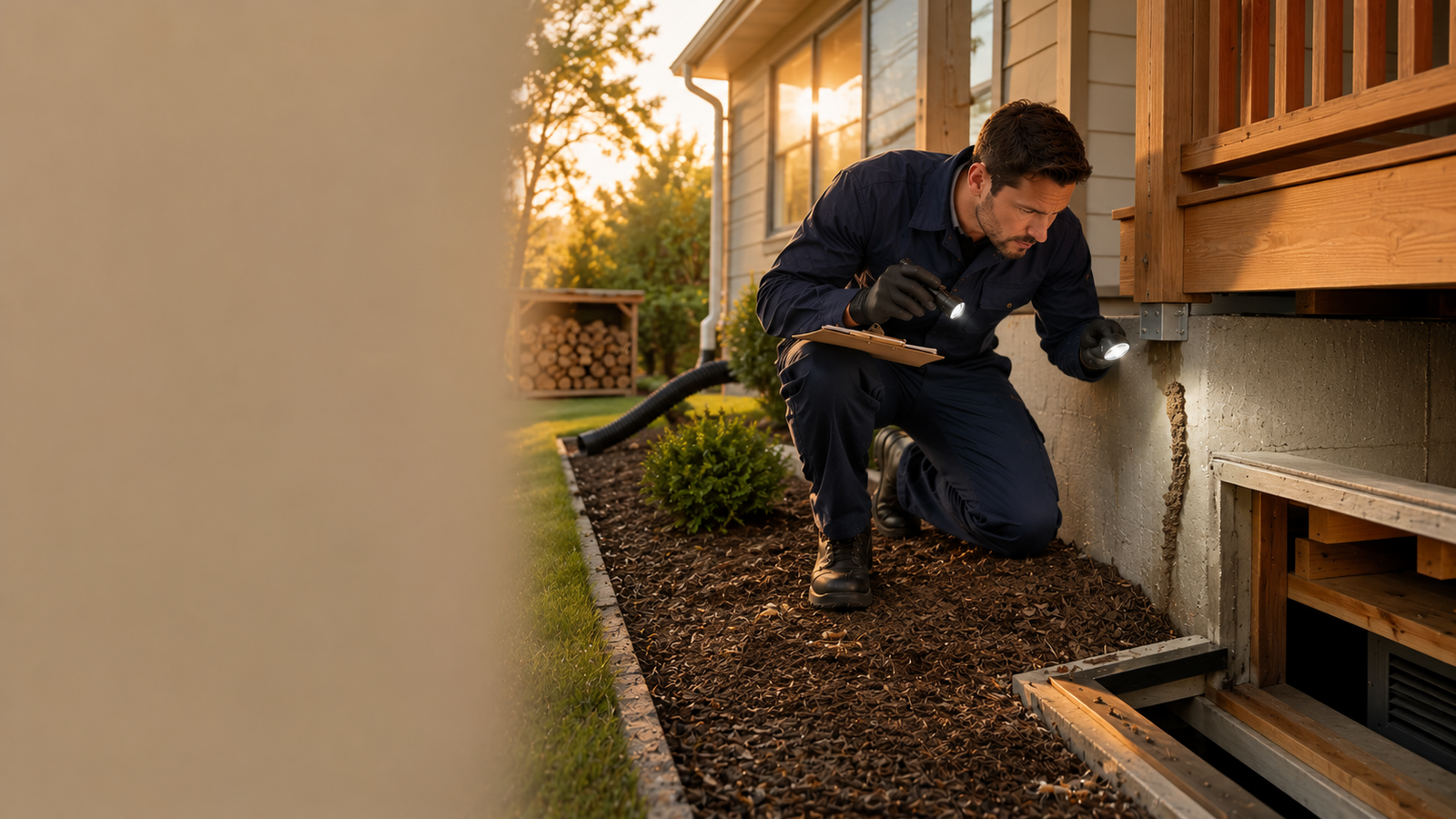
- Trim vegetation near the home — branches and shrubs 12 to 18 inches from siding
- Store firewood away from walls — 20 feet from the foundation, elevated off the ground
- Maintain gutters — clear debris so water flows away from the foundation
- Screen windows and doors — repair tears promptly
- Protect gardens from pests — clean up fallen fruit and rotting vegetables
Seasonal Pest Prevention
Pest pressures shift with the weather, so adjust your focus to prevent household pests effectively throughout the year:
- Spring — repair screens, check for termite swarms, clear gutters, seal winter-cracked foundations
- Summer — control moisture, empty standing water, keep trash clean, clear kitchen crumbs
- Autumn — focus on exclusion as rodents and spiders seek warmth — check weatherstripping and seal outdoor pipe gaps
- Winter — keep basements and attics ventilated and organized; inspect stored decorations for signs of mice
Mistakes That Attract Pests
- Ignoring minor leaks — a dripping pipe creates a humid environment for roaches, silverfish, and termites
- Leaving exterior doors propped open — invites flying insects and curious rodents
- Using too much wood mulch — thick layers against the foundation hold moisture and feed wood-destroying pests
- Neglecting weatherstripping — worn sweeps leave gaps large enough for mice
Natural Pest Prevention Methods
If you’d rather prevent household pests without harsh synthetic chemicals, these non-toxic techniques work well:
- Essential oils — peppermint, lavender, eucalyptus, and cedarwood mixed with water along sills and door frames
- Diatomaceous earth — dusted into dry cracks dehydrates crawling insects on contact
- Physical barriers — copper mesh in weep holes and gaps blocks rodents without chemicals
- Vinegar sprays — a 50/50 mix removes food scents and ant pheromone trails
When Prevention Isn’t Enough
Even with careful prevention, old homes, severe regional pest pressure, or neighboring infestations can overwhelm your defenses.
Knowing the threshold — recurring structural damage, multiple live rodents, or signs of deeply embedded termites or bed bugs mean DIY prevention alone isn’t enough.
Why hire a professional — a licensed company can identify the exact species, locate hidden nests, and apply treatments unavailable over the counter, then provide exclusion advice to keep your prevention efforts successful going forward.
Frequently Asked Questions
What’s the most effective pest prevention method? Sanitation and exclusion — removing food and water sources while sealing entry points stops most issues before they start.
How do I stop pests from entering through weep holes? Never seal them completely, since they’re needed for ventilation. Use specialized wire mesh weep hole covers instead.
Can pests come up through bathroom drains? Yes. Roaches, sewer flies, and silverfish can climb up if the P-trap dries out. Run water down unused drains regularly.
Does keeping a clean house completely prevent pests? No. It removes food sources, but pests can still enter seeking shelter or moisture during extreme weather.
How often should I check my home for pest entry points? At least twice a year, ideally spring and autumn, to catch new cracks or worn weatherstripping.
What naturally repels rodents? Peppermint oil, crushed garlic, and cayenne pepper can temporarily deter mice, though physical exclusion is needed long-term.
Does turning off lights at night prevent bugs? Many flying insects are drawn to UV light from white bulbs. Yellow LED “bug bulbs” significantly reduce this attraction.
Why do I see more pests after it rains? Saturated soil floods underground nests, forcing insects and rodents toward higher, drier ground — often straight into your home.
Key Takeaways
- Seal the structure — block cracks and gaps with caulk, steel wool, and door sweeps
- Control moisture — fix leaks, clean gutters, and eliminate standing water
- Practice sanitation — airtight food storage and daily kitchen cleaning
- Manage your landscaping — keep tree limbs and mulch pulled back from siding
Consistent habits are what actually prevent household pests long-term — it’s rarely one single fix. For related reading, see our Termite Identification guide, our Bed Bug Identification guide, our Silverfish Identification guide, or our Pest Control overview.
Sources: EPA: Integrated Pest Management Principles · CDC: Rodents — Control and Prevention · NPIC: Pest Prevention Tips · UC IPM: Pest Management in the Home · Purdue University Extension: Household and Structural Pests