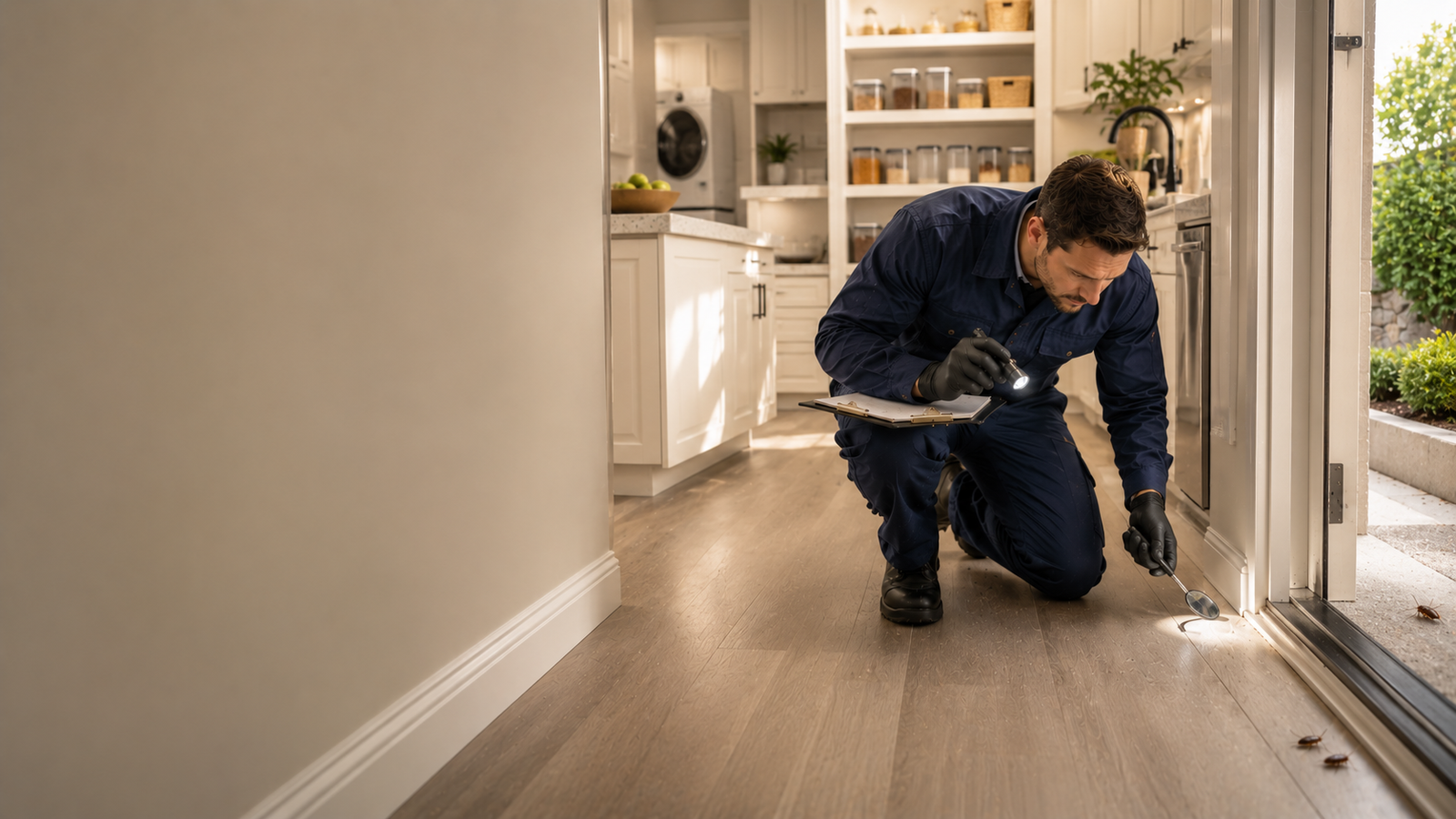
Most pest problems don’t start with an infestation — they start with an open door, a damp corner, or a few crumbs left on a counter overnight. By the time you’re actually seeing ants marching across the kitchen or hearing scratching in the walls, the pests have usually already found everything they need to stick around: food, water, and a way inside. That’s why learning to prevent common household pests is almost always easier, cheaper, and less stressful than treating an infestation after the fact. Once pests settle in and start reproducing, getting rid of them can take weeks of consistent effort.
This guide breaks down exactly how to prevent common household pests before they become a real problem — why pests come inside in the first place, 15 practical prevention steps, room-by-room advice, and how to handle the specific pests that show up most often in homes. If you want a quick reference to come back to, our pest prevention checklist covers the same steps in an easy-to-scan format.
Table of Contents
Why Do Common Household Pests Enter Homes?
Pests don’t invade homes at random. They’re looking for a smaller version of what any living thing needs: food, water, shelter, and warmth. Your house checks all four boxes better than the outdoors does, especially as the seasons change.
Food is the biggest draw. Crumbs, spills, uncovered pet food, and even the residue left in an unwashed recycling bin are enough to attract ants, cockroaches, and flies.
Water and moisture matter just as much as food, sometimes more. A leaking pipe under the sink or a damp basement can support pests even in a home that’s otherwise spotless. Many insects can survive longer without food than without water.
Warmth and shelter become more important as outdoor temperatures drop. Rodents, spiders, and various insects move indoors specifically to escape the cold, and they’ll squeeze through surprisingly small gaps to do it.
Clutter gives pests places to hide undisturbed, which matters because most household pests avoid open, frequently-used spaces. A cluttered garage or a stack of cardboard boxes in a closet is far more attractive to a spider or a mouse than a clean, organized one.
Entry points are the final piece. Even a home with no food or moisture problems can end up with pests if there are unsealed gaps around pipes, worn weatherstripping, or torn screens.
Different pests respond to different combinations of these factors — ants are food-driven, silverfish and cockroaches are moisture-driven, and rodents are shelter-driven — which is exactly why an effective plan to prevent common household pests has to address all of them rather than focusing on just one. This approach mirrors what the EPA calls integrated pest management — prioritizing prevention and exclusion first, and treating pesticides as a last resort rather than a first response.
15 Practical Ways to Prevent Common Household Pests
1. Seal Cracks and Gaps
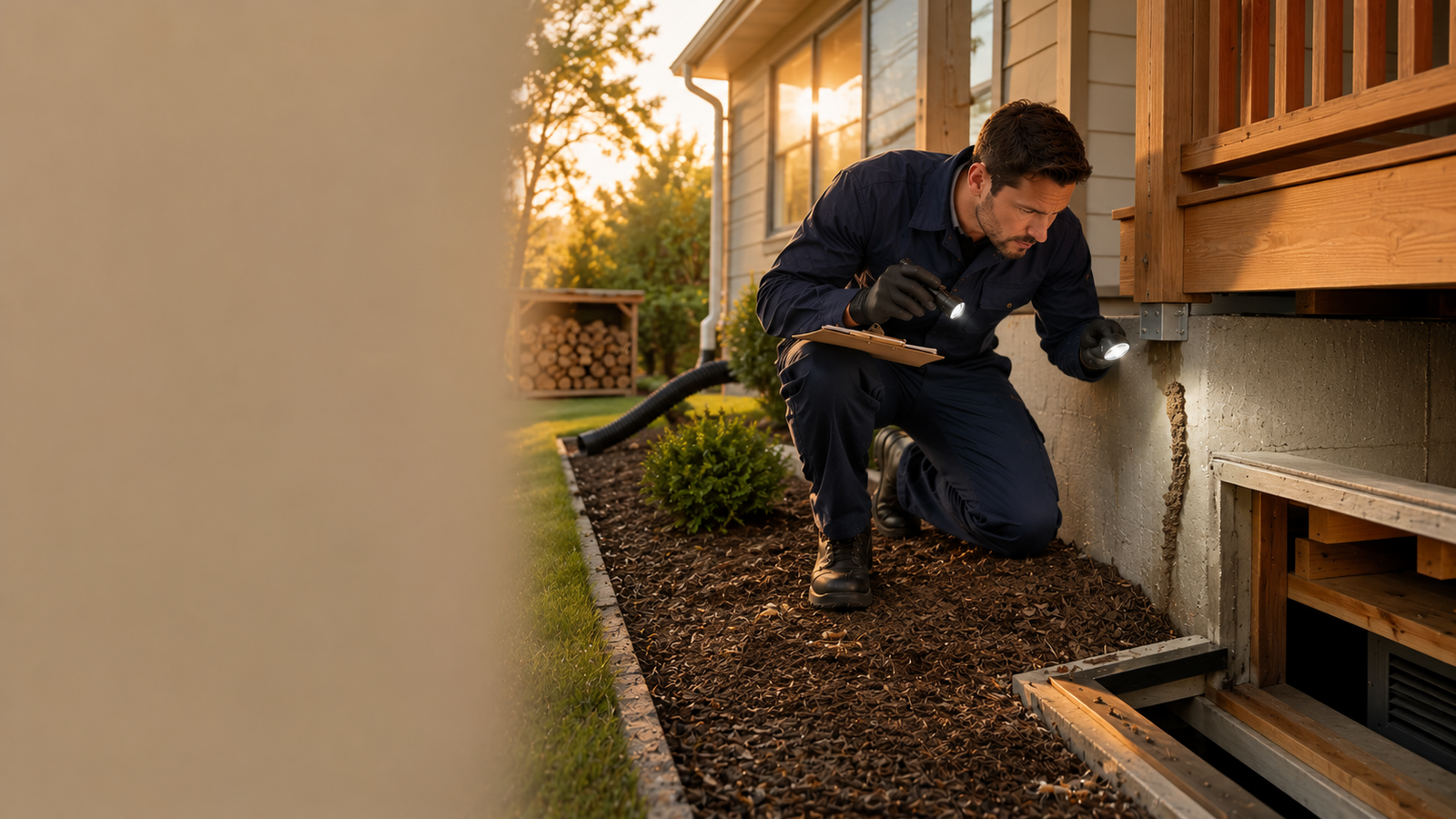
Walk the exterior of your home and look for gaps around windows, doors, utility pipes, cable lines, and the foundation. Even a gap the width of a pencil is large enough for ants, spiders, and some rodents to use. Caulk small cracks and use steel wool or foam sealant around pipe entry points, since rodents can chew through plain foam. This single step helps prevent ants, spiders, cockroaches, and rodents, since it removes their main way inside.
2. Check Doors and Windows
Door sweeps, weatherstripping, and window screens wear out over time. Check that doors close tightly against their frames and that there’s no visible daylight underneath. Repair or replace torn screens rather than leaving them, since a small tear is enough for flies and mosquitoes to get through.
3. Keep Food Properly Stored
Store dry goods like cereal, flour, rice, and pet treats in airtight containers instead of their original bags, since cockroaches and pantry pests can chew through cardboard and thin plastic. This is one of the most effective ways to prevent ants and cockroaches, both of which are drawn primarily by accessible food.
4. Clean Crumbs and Spills Quickly
Wiping down counters, sweeping floors, and cleaning up spills the same day rather than letting them sit removes the scent trails that ants and cockroaches follow. This matters even more in homes with pets, since spilled food often ends up in less obvious spots like under the fridge or behind appliances.
5. Manage Garbage Correctly
Use trash cans with tightly fitting lids, take out kitchen garbage regularly, and rinse recyclables before storing them. Outdoor garbage and compost bins should be kept away from the house where possible, since they’re one of the most common outdoor attractants for flies, ants, and rodents.
6. Fix Leaks and Standing Water
Even a slow drip under a sink or a leaking outdoor spigot can provide enough water for pests to survive. Repair leaks promptly and check less-visible areas like water heater connections and washing machine hoses. Standing water in gutters, plant saucers, or outdoor containers is also a major factor in mosquito prevention, since mosquitoes only need a small amount of stagnant water to breed — the CDC recommends emptying or covering water-holding containers weekly for exactly this reason.
7. Control Indoor Humidity
High humidity attracts cockroaches, silverfish, and some types of mites. Using a dehumidifier in damp areas like basements, running bathroom exhaust fans during and after showers, and making sure clothes dryers vent properly to the outside all help keep indoor humidity in a range that’s less appealing to pests.
8. Keep Drains Clean
Organic buildup inside drains can attract small flies and gnats, particularly in kitchens and bathrooms that don’t get used often. Periodically cleaning drains with a brush or an enzyme-based cleaner (rather than only relying on chemical drain cleaners) helps remove the buildup that these pests feed on.
9. Reduce Clutter
Piles of newspapers, cardboard, unused clothing, and general storage clutter give pests places to hide and, in the case of rodents and spiders, places to nest. Reducing clutter — especially in basements, garages, and closets — removes hiding spots and makes it easier to notice pest activity early.
10. Maintain the Area Around the Home’s Foundation
Keep mulch, soil, and landscaping a few inches below the home’s siding, and avoid piling mulch directly against the foundation, since it holds moisture and gives pests a bridge to entry points. Grading the soil so water flows away from the house also reduces moisture near the foundation, which helps prevent ants, termites, and moisture-loving insects.
11. Manage Vegetation Near the House
Trim tree branches and shrubs so they don’t touch the roof or siding, since branches act as a direct bridge for ants and other insects. Keep grass and weeds cut back close to the foundation, as overgrown vegetation holds moisture and shelters insects and rodents.
12. Inspect Packages, Groceries, and Secondhand Items
Cardboard boxes, grocery bags, and secondhand furniture can carry pests like cockroaches, bed bugs, or their eggs into a home without you realizing it. Inspecting items before bringing them inside, and breaking down cardboard boxes for recycling rather than storing them, reduces this risk significantly.
13. Store Pet Food Properly
Pet food left out overnight or stored in its original bag is a common, often-overlooked attractant for ants, cockroaches, and rodents. Use sealed containers for dry pet food, and avoid leaving wet food out for extended periods, especially outdoors.
14. Maintain Screens and Vents
Check window screens, dryer vents, and foundation or soffit vents for tears or gaps. Vents are frequently overlooked, but they’re a direct route into the home for insects and, in some cases, rodents if the covering has degraded or come loose.
15. Inspect and Maintain Common Pest Entry Areas
Periodically check areas that are easy to forget: where utility lines enter the home, the gap under garage doors, chimney openings, and attic vents. These spots don’t get everyday attention, which makes them common weak points even in homes that are otherwise well maintained.
Pest Prevention Tips by Room
The 15 steps above apply to the whole house, but the way you prevent common household pests changes depending on which room you’re in — each area has its own combination of moisture, food, and clutter that attracts different pests.
Kitchen
Store food in sealed containers, wipe down counters and stovetops daily, and don’t let dishes sit in the sink overnight. Check under the sink periodically for leaks, and keep the area around and behind large appliances clean, since crumbs and grease tend to accumulate there unnoticed.
Bathroom
Fix dripping faucets and running toilets promptly, since bathrooms are naturally humid and attract moisture-loving pests. Run the exhaust fan during and after showers, and periodically clean the drain to prevent small flies from breeding in organic buildup.
Bedroom
Reduce clutter under the bed and in closets, vacuum regularly, and wash bedding on a routine basis. Inspect secondhand furniture, mattresses, or clothing before bringing them into the bedroom, since this is a common way bed bugs and other pests are introduced.
Basement, Garage, or Storage Areas
Use a dehumidifier if the space tends to be damp, store boxes off the floor on shelving rather than directly on concrete, and avoid stacking firewood or cardboard against the walls. These areas are frequently the entry point for rodents and spiders because they’re quiet, cluttered, and rarely disturbed.
Yard and Areas Around the Home
Keep gutters clear so water drains properly instead of pooling near the foundation. Store firewood at least a few feet away from the house and off the ground. Regularly check outdoor trash and recycling bins for tight-fitting lids, and eliminate standing water wherever it collects.
How to Prevent Specific Common Household Pests
Every pest responds to a slightly different combination of attractants, so the fastest way to prevent common household pests is to match your prevention habits to the specific pest you’re dealing with.
Ants
Ants are drawn almost entirely by accessible food, especially sugary or greasy residue. Wiping up spills quickly, sealing food in airtight containers, and cleaning up pet food promptly are the most effective everyday habits. Sealing small entry points around windows and the foundation helps stop scout ants from finding a way in to begin with. If ants have already made it inside, our roundup of the best ant killers of 2026 can help you deal with an active trail.
Cockroaches
Cockroaches need food, moisture, and dark hiding spots. Reducing clutter, fixing leaks, keeping drains clean, and storing food properly all reduce what attracts them. Since cockroaches are especially good at squeezing through tiny gaps, sealing cracks around pipes and baseboards is particularly important. For a deeper look at treatment options, see our cockroach control guide.
Spiders
Spiders are typically in your home because there are other insects to eat, so reducing the presence of other pests naturally reduces spiders too. Keeping window screens intact, minimizing outdoor lighting near entry points (which attracts flying insects spiders feed on), and reducing clutter where they can build webs undisturbed all help.
Flies
Flies are attracted to garbage, food waste, and moisture. Keeping trash cans covered, cleaning up spills quickly, and maintaining screens on windows and doors are the most effective prevention steps. Outdoors, keeping garbage and compost bins away from doors and windows reduces the chances of flies finding their way inside.
Mosquitoes
Mosquitoes need standing water to breed, so eliminating it is the single most effective prevention step. Regularly empty items that collect rainwater — plant saucers, buckets, clogged gutters — and make sure window and door screens are free of tears.
Rodents
Mice and rats are shelter- and food-driven, and they can fit through gaps as small as a coin. Sealing entry points around the foundation and utility lines, storing food (including pet food) in sealed containers, and reducing outdoor clutter near the home’s exterior are the most reliable prevention methods.
Seasonal Pest Prevention
How you prevent common household pests should shift a little with the calendar, since different pests become active — or start looking for shelter — at different times of year.
Spring
As temperatures rise, ants and other insects become more active while searching for food. This is a good time to inspect the home’s exterior for winter damage to caulking or weatherstripping and to clear away any debris that accumulated over the colder months. Our guide to early pest season 2026 covers what tends to show up first and when to start watching for it.
Summer
Mosquitoes and flies are typically at their peak due to heat and humidity. Checking for standing water regularly and keeping screens in good repair matters most during this stretch of the year.
Fall
As outdoor temperatures drop, rodents and spiders actively look for warm places to spend the winter, making this an important time to seal gaps and check vents. For a closer look at what to expect, see our breakdown of fall pests to watch out for.
Winter
Indoor pest activity tends to concentrate around warmth and food sources. Checking areas like attics, basements, and areas around heating equipment for signs of rodent activity is worthwhile, since these pests may already be inside and simply staying hidden.
Common Pest Prevention Mistakes to Avoid
Even homeowners who are trying to prevent common household pests can undercut their own efforts with a few avoidable habits.
Leaving food exposed, even briefly overnight, gives pests exactly what they need to establish a presence.
Ignoring small leaks because they seem minor. A slow drip is often enough moisture to support pests over time.
Overwatering houseplants or garden beds close to the foundation, which creates the kind of damp conditions that attract moisture-loving insects.
Allowing clutter to accumulate, particularly in storage areas, which creates hiding spots that make early pest activity harder to notice.
Ignoring cracks around pipes or baseboards, since these are some of the most common — and most overlooked — entry points into a home.
Keeping firewood or debris stacked directly against the house, which gives pests a bridge from the yard to the exterior walls.
Relying only on sprays or pesticides instead of addressing the root causes. Sprays can knock down pests temporarily, but if food, water, and entry points aren’t addressed, the underlying attraction remains and pests tend to return.
When Pest Prevention Is No Longer Enough
Even the best efforts to prevent common household pests won’t stop every single one. Prevention reduces the likelihood of pests, but it doesn’t guarantee they’ll never appear. There’s a meaningful difference between occasionally spotting a single insect and dealing with an established infestation.
Signs that a situation may have moved beyond what prevention alone can fix include seeing the same pests repeatedly over several days, finding nests, droppings, or egg cases, noticing damage to food packaging or structural materials, or detecting an unusual odor associated with pest activity in a specific area.
If you’re seeing these signs, it may be time to consult a licensed pest-control professional who can properly assess the situation. PestKills.com provides educational information on how to prevent common household pests and does not offer direct pest-control services.
Frequently Asked Questions
What is the best way to prevent common household pests? There’s no single fix — the most effective approach combines eliminating food and water sources, reducing clutter, and sealing entry points around the home’s exterior.
How do I keep pests out of my home naturally? Focus on removing what attracts them in the first place: store food properly, fix leaks, reduce moisture, and seal gaps. These habits work without relying on chemical treatments.
How often should I check my home for pest entry points? A seasonal check — roughly once every three months — is a reasonable routine, with extra attention in early fall when many pests look for a way indoors ahead of colder weather.
Does keeping a clean house prevent pests? Cleanliness helps significantly, since it removes food sources and hiding spots, but it isn’t the only factor. Homes with unsealed entry points or moisture problems can still attract pests even when they’re kept clean.
How can I prevent pests without using pesticides? Removing food, water, and shelter is generally more effective long-term than pesticides alone. Sealing entry points and reducing clutter address the reasons pests come inside in the first place, rather than just treating symptoms.
Why do pests keep coming back? Recurring pest activity usually means an attractant or entry point hasn’t been fully addressed — a small leak, an unsealed gap, or an accessible food source that’s easy to overlook.
When should I call a pest-control professional? If you’re seeing pests repeatedly, finding nests or droppings, or noticing signs of structural damage, it’s reasonable to bring in a licensed professional to properly assess the situation rather than relying on prevention alone at that point.
Conclusion
Learning how to prevent common household pests really comes down to a handful of consistent habits: remove access to food and water, reduce excess moisture, minimize clutter, and seal the gaps pests use to get inside. None of these steps guarantee a pest-free home, but together they make your home significantly less appealing to the pests that are most likely to show up. The households that deal with pests the least aren’t necessarily the ones that react fastest to an infestation — they’re the ones that made it harder for pests to get a foothold in the first place.