
Bugs and rodents don’t need an invitation. They just need one open gap, one crumb, or one damp corner.
This 9-step pest prevention checklist walks you through every part of your home, inside and out, so you can close those gaps before pests find them. You’ll get room-by-room steps, seasonal reminders, and simple weekly habits that make a real difference.
We’ll also cover when DIY prevention is enough, and when it’s time to bring in a licensed local pest control company.
Table of Contents
Why Pest Prevention Matters
Treating an infestation after it starts almost always costs more than preventing one with a solid pest prevention checklist. Pests like cockroaches and rodents reproduce fast, so a small problem can turn into a big one within weeks.
Prevention also protects your health. The CDC has linked cockroach and rodent allergens to asthma flare-ups, especially in children. Mice and rats can also carry bacteria and, in some regions, contribute to tick exposure through the small mammals ticks feed on.
A consistent pest prevention checklist also protects your property. Rodents chew wiring. Termites damage structural wood. Moisture-loving pests like silverfish and roaches can ruin stored books, food, and fabric.
Common Causes of Pest Problems
Most pest problems trace back to three things: food, water, and shelter. Remove any one of these, and most pests will look elsewhere. This is step one in any pest prevention checklist.
| Cause | Why It Attracts Pests |
|---|---|
| Food left out or improperly stored | Provides an easy meal for ants, roaches, and rodents |
| Standing water or leaks | Many pests need water more than food |
| Clutter and cardboard | Offers hiding spots and nesting material |
| Unsealed entry points | Lets pests move in from outside |
| Overgrown vegetation near the house | Bridges the gap between yard pests and your walls |
| Overflowing trash | Attracts flies, ants, and rodents |
Signs That Prevention Is Needed
You don’t need to see a live pest to know it’s time to act. Watch for these early warning signs:
- Small droppings near cabinets, drawers, or baseboards
- Gnaw marks on food packaging, wood, or wiring
- Musty or oily odors in enclosed spaces
- Discarded wings near windows (a common termite or ant swarm sign)
- Scratching sounds in walls or ceilings at night
- Tiny holes in stored fabric or paper goods
If you notice any of these, this pest prevention checklist becomes even more important, and it may be worth a professional inspection sooner rather than later.
How Different Pests Enter Homes
Understanding entry points helps you seal them before pests arrive, which is step two of the pest prevention checklist.
- Ants and spiders — through gaps under doors, around windows, and cracks in the foundation
- Cockroaches — through drain pipes, cardboard boxes, and gaps around utility lines
- Rodents — through gaps as small as a quarter-inch around pipes, vents, and garage doors
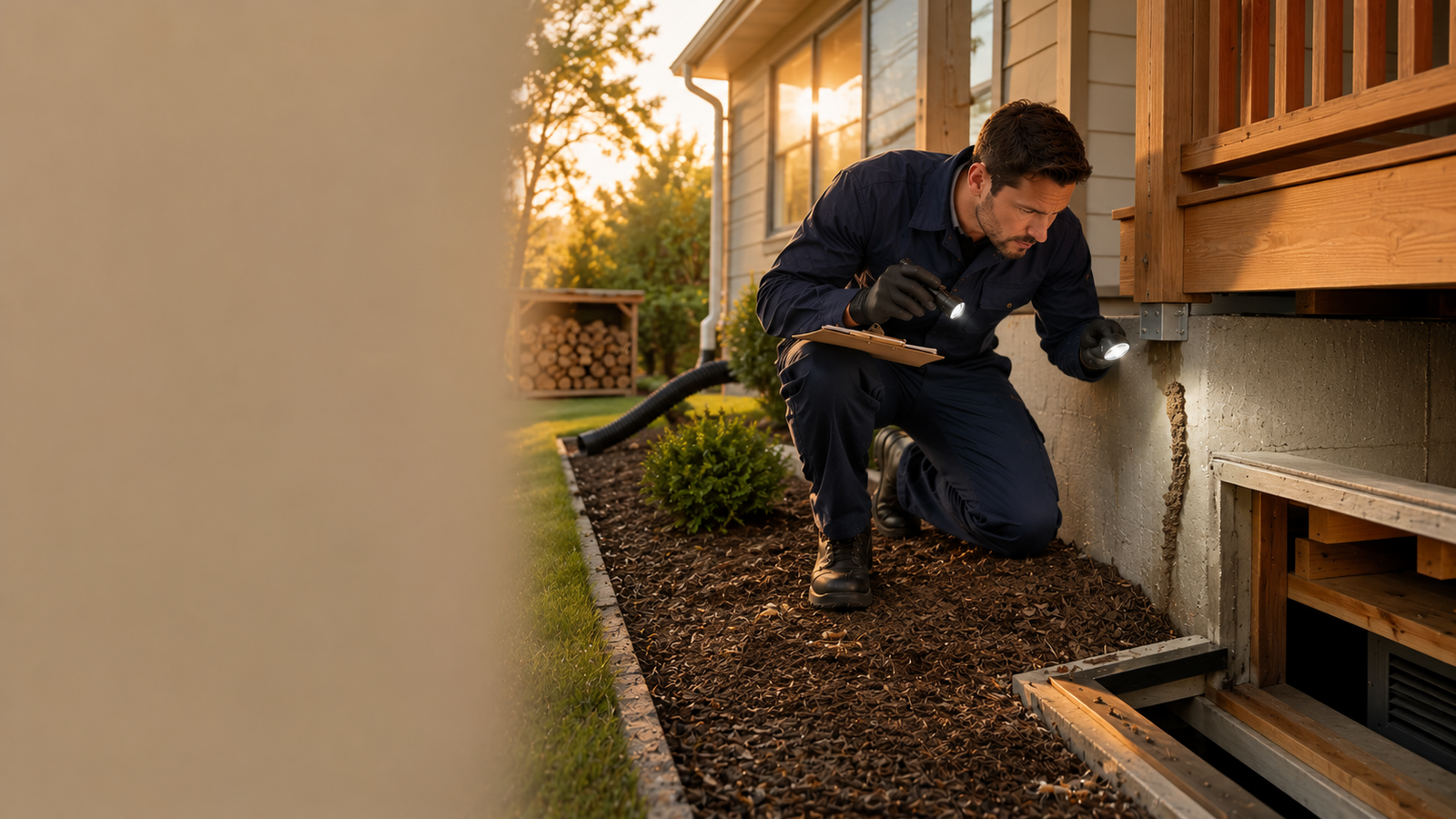
- Termites — through soil contact with wood, mud tubes along foundations
- Mosquitoes — through torn screens and open doors
- Fleas and ticks — carried in on pets, clothing, or secondhand furniture
For species-specific entry points and identification, see our pest identification guide.
Step-by-Step Prevention Guide
This is the core of the pest prevention checklist. Work through it room by room, then move outdoors.
Indoor Prevention Tips
Indoor prevention focuses on removing food and water sources and sealing small gaps pests use to get around. This covers steps three through five of the pest prevention checklist.
Kitchen Prevention
- Store dry goods in airtight containers, not their original bags
- Wipe counters and stovetops after every meal
- Wash dishes the same day, not the next morning
- Take out trash daily and use a bin with a tight lid
- Check under the sink weekly for leaks
Bathroom Prevention
- Fix dripping faucets and running toilets promptly
- Keep drains clean, since organic buildup attracts drain flies and roaches
- Ventilate after showers to reduce humidity
- Store toilet paper and towels off the floor
Bedroom Prevention
- Vacuum carpets and under the bed regularly
- Wash bedding on a hot cycle every one to two weeks
- Inspect secondhand furniture before bringing it inside, a key step against bed bugs
- Reduce clutter under the bed, which limits hiding spots
Basement Prevention
- Use a dehumidifier to keep humidity below 50%
- Store boxes on shelves, not directly on the floor
- Seal gaps around pipes and foundation cracks
- Check for standing water after heavy rain
Garage Prevention
- Keep the garage door sealed with a working door sweep
- Store bird seed, pet food, and fertilizer in sealed containers
- Sweep out spider webs and debris monthly
- Keep firewood away from the interior wall
Attic Prevention
- Seal gaps around vents, chimneys, and roof lines
- Check insulation for signs of nesting material
- Keep the attic dry, since moisture attracts many pests
- Inspect for rodent droppings during seasonal checks
Outdoor Prevention
Outdoor prevention stops pests before they ever reach your walls, covering step six of the pest prevention checklist.
Garden Prevention
- Keep garden beds at least a foot away from the foundation
- Remove decaying plant matter regularly
- Water in the morning so soil dries out during the day
- Rotate crops and inspect plants for early pest activity
Yard Prevention
- Trim tree branches so they don’t touch the roof
- Mow regularly and keep grass short near the house
- Store mulch away from the foundation, since it holds moisture
- Remove standing water, which attracts mosquitoes within days
Trash Management
- Use bins with tight, secure lids
- Rinse recyclables before placing them in bins
- Keep bins away from the house when possible
- Take out trash on schedule, not just when full
Pet-Related Prevention
- Clean pet bowls and feeding areas daily
- Check pets for fleas and ticks after outdoor time
- Store pet food in sealed, chew-proof containers
- Wash pet bedding regularly
Seasonal Prevention Tips
Pest activity shifts with the seasons, so this pest prevention checklist changes throughout the year. This is step seven.
Spring
- Inspect the foundation for winter damage
- Check window screens for tears
- Look for early ant trails as temperatures rise
- Clean gutters to prevent standing water
Summer
- Inspect for mosquito breeding sites weekly, since eggs can hatch in a few days
- Keep outdoor eating areas clean
- Check for wasp nests under eaves
- Maintain lawn care to reduce tick habitat
Autumn/Fall
- Seal gaps before rodents look for winter shelter
- Store firewood at least 20 feet from the house
- Rake leaves away from the foundation
- Inspect weatherstripping around doors and windows
Winter
- Check attics and basements for signs of rodent activity
- Keep indoor humidity controlled to discourage overwintering pests
- Store holiday decorations in sealed containers
- Continue monthly inspections even when pest activity looks quiet
Natural Prevention Methods
Several low-risk methods support step eight of the pest prevention checklist without heavy chemical use:
- Diatomaceous earth — a fine powder that damages the exoskeletons of crawling insects when applied in a thin, dry layer
- Peppermint oil — some homeowners use it around entry points, though evidence is mostly anecdotal rather than proven at scale
- Physical barriers — door sweeps, caulk, and mesh screens block entry without any chemicals at all
- Moisture control — a dehumidifier removes the water source many pests depend on
Natural methods work best for prevention and light activity. They aren’t a substitute for professional treatment of an established infestation.
Chemical Prevention Options
For higher-risk areas or repeat problems, targeted chemical options can support step nine, the final step of this pest prevention checklist:
- Perimeter sprays — applied around the foundation to create a barrier
- Granular baits — placed in specific zones for ants and other ground pests
- Insect growth regulators (IGRs) — disrupt reproduction rather than killing on contact
The EPA recommends always reading and following label instructions, and using the least amount of product necessary to solve the problem. Products should be applied in cracks, voids, and perimeter zones, not on open food surfaces.
Integrated Pest Management (IPM)
Integrated Pest Management, or IPM, is the approach most university extension programs and professional pest control companies now recommend. It combines several strategies instead of relying on one product, and it works alongside any pest prevention checklist rather than replacing it.
IPM typically includes:
- Inspection and monitoring
- Sanitation and exclusion (sealing entry points)
- Habitat modification (removing food, water, and shelter)
- Targeted treatment only where needed
- Follow-up monitoring
This approach reduces pesticide use while improving long-term results, which is why IPM sits at the center of most modern pest prevention checklist strategies.
Mistakes Homeowners Should Avoid
- Treating symptoms, not sources. Killing visible pests without removing food or water sources means new ones will follow, undoing your pest prevention checklist.
- Overusing sprays. Heavy chemical use without sealing entry points rarely solves the underlying problem.
- Ignoring small leaks. A single dripping pipe can support an entire cockroach population.
- Skipping seasonal checks. Pests shift behavior with the weather, so a one-time inspection isn’t enough, no matter how thorough your pest prevention checklist was that day.
- Storing firewood against the house. This is one of the most common ways termites and carpenter ants move indoors.
Prevention Cost Comparison
| Approach | Typical Cost Range | Best For |
|---|---|---|
| DIY sealing and sanitation | Low (caulk, containers, bins) | Ongoing prevention, low-risk homes |
| Natural deterrents | Low to moderate | Light activity, supplementing other steps |
| One-time professional inspection | Moderate | Verifying a suspected problem |
| Ongoing professional pest control plan | Moderate to higher, billed regularly | Recurring issues or high-risk properties |
Exact costs vary by region, home size, and pest type, so request a written estimate before committing to a service plan.
DIY vs Professional Prevention
| Factor | DIY Prevention | Professional Prevention |
|---|---|---|
| Cost | Lower | Higher |
| Effectiveness on early-stage issues | Often sufficient | Effective but may be more than needed |
| Effectiveness on established infestations | Limited | Stronger, with follow-up visits |
| Access to professional-grade products | No | Yes |
| Time investment | Ongoing, self-managed | Scheduled visits |
| Best for | Routine upkeep | Recurring or severe problems |
Weekly Checklist
- Wipe kitchen counters and stovetop after cooking
- Take out trash and check the bin lid seals tightly
- Check under sinks for leaks or moisture
- Sweep or vacuum floors, especially near baseboards
Monthly Checklist
- Inspect window and door screens for tears
- Check the garage and basement for new gaps or cracks
- Clean pet bedding and feeding areas thoroughly
- Look for droppings, gnaw marks, or shed skins in storage areas
Seasonal Prevention Checklist
| Season | Key Focus |
|---|---|
| Spring | Foundation inspection, screen repair, gutter cleaning |
| Summer | Mosquito breeding sites, wasp nests, lawn maintenance |
| Autumn/Fall | Sealing gaps, firewood storage, leaf removal |
| Winter | Attic and basement checks, humidity control |
Annual Home Inspection Checklist
- Full exterior walk-around checking for cracks and gaps
- Roofline and attic inspection for entry points
- Basement and crawl space moisture check
- Review of stored items for pest damage
- Professional inspection if any signs of activity were found during the year
When DIY Prevention Isn’t Enough
DIY steps handle most early-stage prevention, but some situations call for professional help, even after following every step of the pest prevention checklist:
- You’ve followed the full checklist and still see activity after several weeks
- You find structural damage from termites or carpenter ants
- Rodent activity continues despite sealing visible entry points
- You manage a multi-unit property where pests can spread between units
- A household member has asthma or allergies affected by pest allergens
When to Call a Professional
Contact a licensed pest control company if prevention alone hasn’t resolved the issue, if you suspect termites or a large rodent population, or if you simply want a professional inspection for peace of mind. Our pest control resource page explains what a typical service visit includes, and our directory to find local pest control can help you locate a licensed provider in your area.
Frequently Asked Questions
1. What is the most important part of a pest prevention checklist? Removing food, water, and shelter sources matters more than any single product. Pests move on when those basics aren’t available.
2. How often should I do a pest inspection at home? A weekly quick check and a full seasonal inspection cover most homes. High-risk properties may benefit from monthly checks.
3. Can natural methods fully replace chemical prevention? For light activity, often yes. For established infestations, natural methods usually aren’t enough on their own.
4. Do I need professional pest control if I already do my own prevention? Not always. Many homes stay pest-free with a consistent pest prevention checklist. Professional help becomes useful when activity continues despite your efforts.
5. What time of year should I start seasonal pest prevention? Spring is the best time to start, since many pests become active as temperatures rise, but a good pest prevention checklist runs year-round.
6. Are pest prevention products safe for children and pets? Many are, when applied according to label instructions. The EPA recommends applying products in cracks and voids rather than open, accessible surfaces.
7. How do I know if I have a termite problem versus ants? Termite wings are equal in length and roughly the same size, while ant wings are uneven. If you’re unsure, our pest identification guide can help you compare species.
8. Does clutter really attract pests? Yes. Clutter, especially cardboard, gives pests places to hide and, in some cases, material to feed on.
9. Can sealing entry points alone stop an infestation? It helps a lot, but sealing works best combined with sanitation and, if needed, targeted treatment, as part of a complete pest prevention checklist.
10. Why do pests come back even after I clean? Cleaning removes food sources, but pests can still enter through unsealed gaps or be drawn in by moisture elsewhere in the home.
11. Is Integrated Pest Management better than regular pest control? IPM isn’t necessarily “better,” it’s a more structured approach that combines several methods, which many professionals now use as their standard practice.
12. How much does professional pest prevention typically cost? Costs vary by region, home size, and pest type. A one-time inspection usually costs less than an ongoing service plan.
Final Thoughts
A solid pest prevention checklist isn’t a one-time project. It’s a habit built from small, consistent actions across every room and every season.
Start with the basics: seal gaps, remove standing water, store food properly, and keep an eye out for early warning signs. Layer in seasonal checks, and this 9-step pest prevention checklist will help you catch most problems before they start.
If pests continue to appear despite consistent prevention efforts, contact a licensed local pest control company for a professional inspection and treatment plan.
- /pest-identification/ — linked in “How Different Pests Enter Homes” and again in the FAQ
- /pest-control/ — linked in “When to Call a Professional”
- /pest-guide/ — suggested for a general overview link in the introduction if your CMS supports it
- /pest-products/ — suggested for the “Natural Prevention Methods” or “Chemical Prevention Options” sections if you want to link to a products comparison page
- /seasonal-pests/ — suggested for the “Seasonal Prevention Tips” section
- /find-local-pest-control/ — linked in “When to Call a Professional”


1 thought on “The 9-Step Pest Prevention Checklist for Every Home”