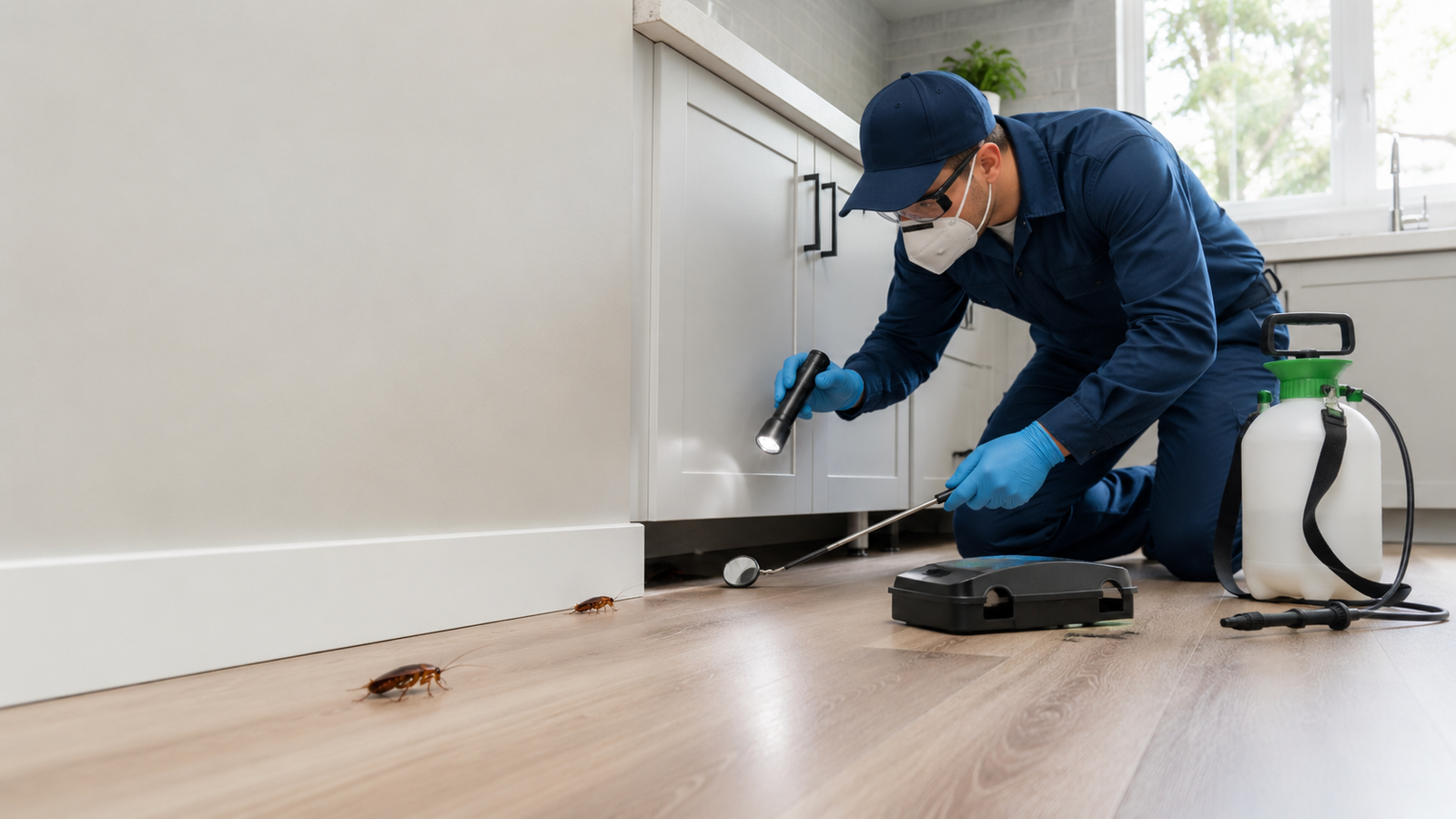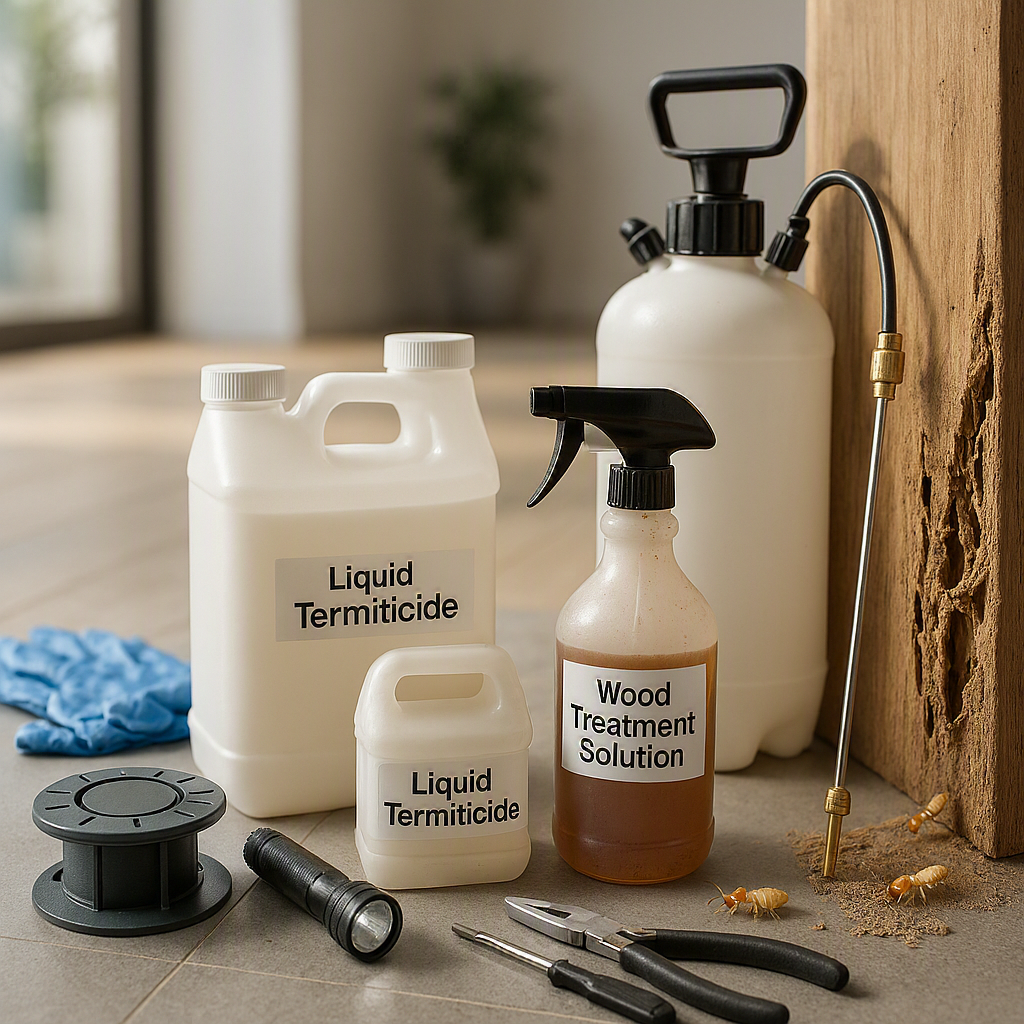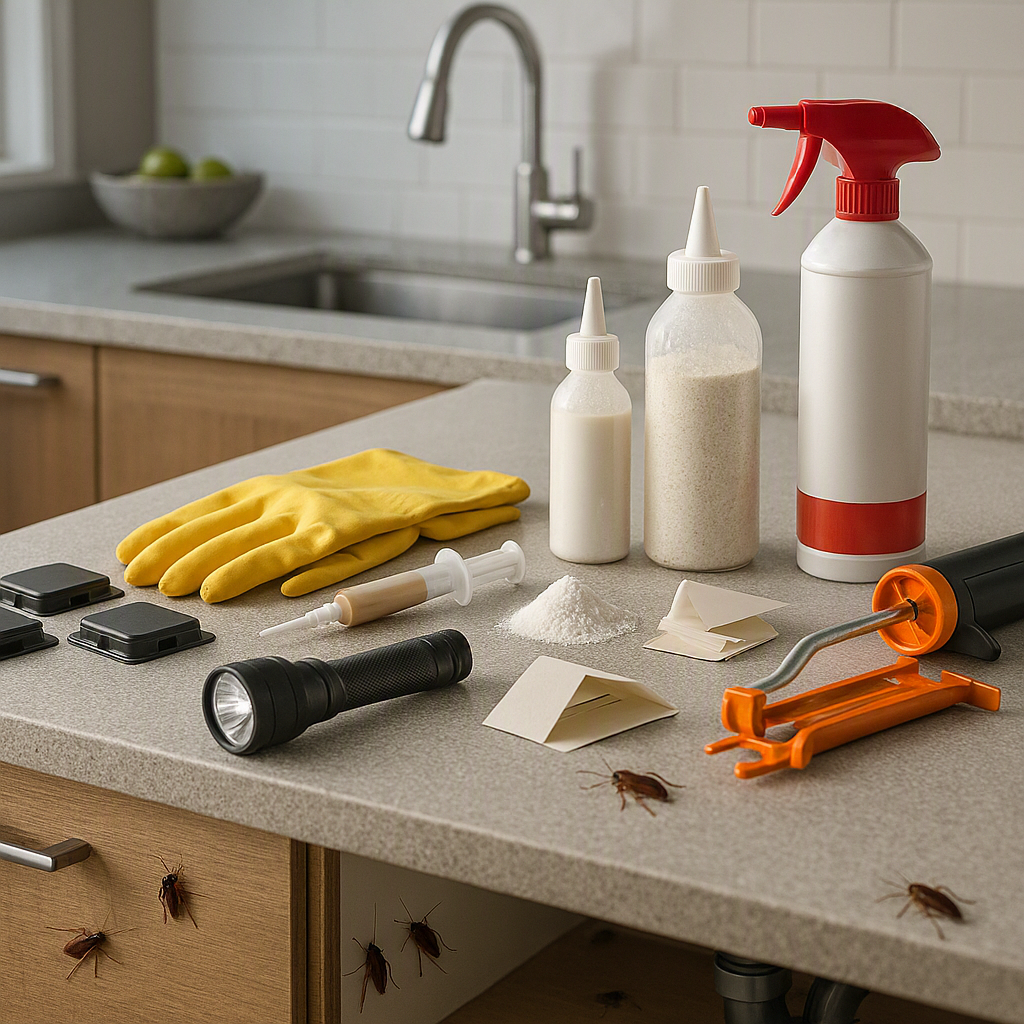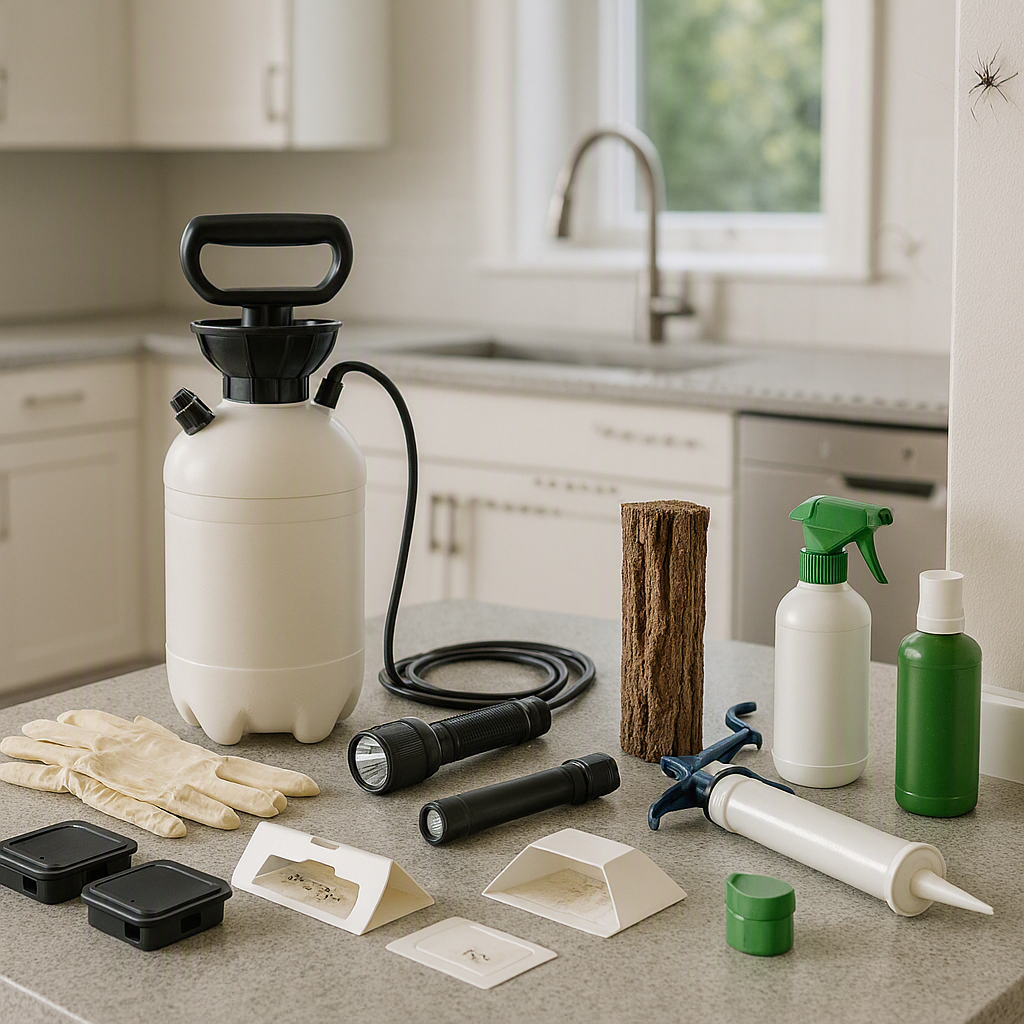
Maintaining a clean, structurally sound property requires consistent vigilance against invasive bugs and rodents. True pest control isn’t a one-time reaction to a visible bug — it’s a continuous strategy that protects your equity and shields your family from health hazards.
Effective pest control blends proactive prevention, routine monitoring, and targeted treatment. By taking control of your property’s ecosystem, you can stop small invading forces before they establish deep-rooted colonies inside your walls. This guide outlines how to handle structural pests safely.
Table of Contents
What Is Pest Control?
Definition: pest control is the systematic regulation, management, or elimination of any organism — insects, arachnids, or rodents — that impacts structural integrity, human health, or peace of mind in occupied spaces.
Goals: preserving property value, securing food from biological contamination, and eliminating health vectors that spread pathogens.
Common methods: range from physical exclusion (wire mesh, caulking) to chemical applications (micro-encapsulated liquid barriers, colony-eliminating gel baits).
Why early action matters: insects and rodents breed exponentially. Waiting even a few weeks to address a minor infestation can turn a weekend job into an extensive, multi-room emergency.
Common Household Pests
Understanding your target is half the battle. Each pest requires a specific pest control strategy:
| Pest | Main Risk | Best Control Method | Difficulty |
|---|---|---|---|
| Cockroaches | Food-borne pathogens, asthma triggers | Slow-acting gel baits and sanitation | Moderate |
| Ants | Food contamination, structural damage | Species-specific sweet or protein baits | Low to Moderate |
| Termites | Catastrophic structural destruction | Soil-applied liquid barriers or baiting | High |
| Bed Bugs | Severe biting, sleep disruption | IGRs, targeted steam, or heat | High |
| Rodents | Chewed wiring, disease vectors | Mechanical snap traps and exclusion | Moderate |
| Mosquitoes | Viral transmission (West Nile, Dengue) | Larvicides in standing water, screens | Low to Moderate |
| Flies | Sanitation breakdown, bacterial transfer | Source removal, light traps | Low |
| Spiders | Rare venomous bites | De-cluttering, sticky traps, sealed gaps | Low |
Types of Pest Control
Modern pest control uses multiple techniques together:
- Physical control — window screens, chimney caps, door sweeps
- Mechanical control — sticky glue boards, snap traps, HEPA shop vacuums
- Biological control — natural predators or microscopic pathogens, like Bti bacteria for mosquito larvae
- Chemical control — targeted liquid sprays, insecticidal dusts, or food baits
- Integrated Pest Management (IPM) — the gold standard, coordinating sanitation, exclusion, and monitoring with the lowest chemical risk
Step-by-Step Pest Control Process
- Identify the pest — examine physical traits and damage patterns before choosing a product.
- Inspect the infestation — check cabinet voids, plumbing chases, basements, and attic joists.
- Choose the appropriate treatment — slow-acting baits for social insects, heavy traps for rodents.
- Apply safely — follow the chemical mixing and application instructions on the label.
- Monitor results — use sticky traps along baseboards to confirm the treatment is working.
- Prevent future infestations — caulk cracks, seal entry points, and keep counters free of debris.
DIY vs Professional Pest Control
A DIY pest control approach works well for minor or early-stage issues, like seasonal ant lines or a few basement spiders. It gives immediate control, saves on service fees, and lets you use low-toxicity products exactly where needed.
Commercial services are necessary for complex, deeply embedded infestations — severe bed bug outbreaks across multiple rooms, massive termite damage, or hornets nesting inside walls all require specialized equipment only licensed technicians are trained to use safely.
Common Pest Control Mistakes
- Relying only on aerosol foggers — “bug bombs” rarely reach deep wall cracks and often scatter pests further into the home
- Leaving competing food sources open — bait placed in a messy kitchen gets ignored in favor of grease or crumbs
- Over-spraying repellents near fresh baits — the smell drives pests away before they can carry bait back to the nest
Safety Tips When Using Pest Control Products
- The label is the law — follow every mixing, application, and safety instruction
- Wear proper protection — gloves, long sleeves, and safety goggles when mixing concentrates
- Let sprays dry completely — keep kids and pets away for 1–2 hours after application
- Store chemicals securely — original containers, high shelf or locked cabinet
- Dispose of containers safely — never pour leftovers down drains; check local disposal guidelines
When to Call a Professional
Call a licensed professional immediately if you find active termite mud tubes, widespread wood damage, or bed bug stains on mattresses. Also seek help if DIY efforts fail to reduce a pest population after two weeks, or if wildlife is nesting in your attic.
Frequently Asked Questions
Is DIY pest control as effective as professional services? For minor, everyday issues like seasonal ants, spiders, or crickets, a careful DIY approach can be just as effective, provided you use quality products and correct placement.
What’s the primary rule of safe chemical pest treatment? Read and follow the product label exactly — it provides mandatory directions for mixing, protective gear, and pet safety.
How does integrated pest management protect homes? IPM combines sanitation, structural exclusion, and constant monitoring, solving pest problems with fewer chemical sprays.
Can I use outdoor bug sprays inside my home? No. Outdoor formulas are meant to break down in open air and can linger unsafely indoors.
Why are ants ignoring the bait stations I put out? Ants shift between sugar and protein needs seasonally — try a protein-based bait if sweet bait isn’t working, or check for competing crumbs.
How long does it take for a liquid perimeter spray to dry? Typically 1 to 2 hours. Keep kids and pets away from the area until fully dry.
Do electronic ultrasonic pest repellers work? Independent studies show no lasting effect — pests quickly get used to the sound frequencies.
Does vinegar eliminate active cockroach nests? No, but it removes the scent trails pests use to navigate, which can disrupt their travel patterns.
How often should I check baseboard sticky traps? Once a week — tracking what you catch helps spot new activity before it becomes a visible problem.
Can rodents chew through expanding foam insulation? Yes. Pack gaps with steel wool or copper mesh before sealing with caulk to stop them permanently.
Key Takeaways
- Sanitation is foundational — clean counters, fix leaks, and store dry foods in airtight containers
- Seal the entryways — caulk and steel wool block gaps around foundations and pipes
- Let baits work — avoid quick-kill sprays near slow-acting baits so insects carry them back to the nest
- Put safety first — gloves, dry time, and secure chemical storage protect your family and pets
For pest-specific guidance, see our DIY Pest Control guide, our Signs of Pest Damage guide, our Termite Damage guide, or our Rodent Damage guide.
Sources: EPA: Introduction to Integrated Pest Management · CDC: Protect Your Home from Pest Vectors · NPIC: Read and Understand Pesticide Labels · UC IPM: Structural Pest Management Guidelines · Purdue University Extension: Household Pest Management