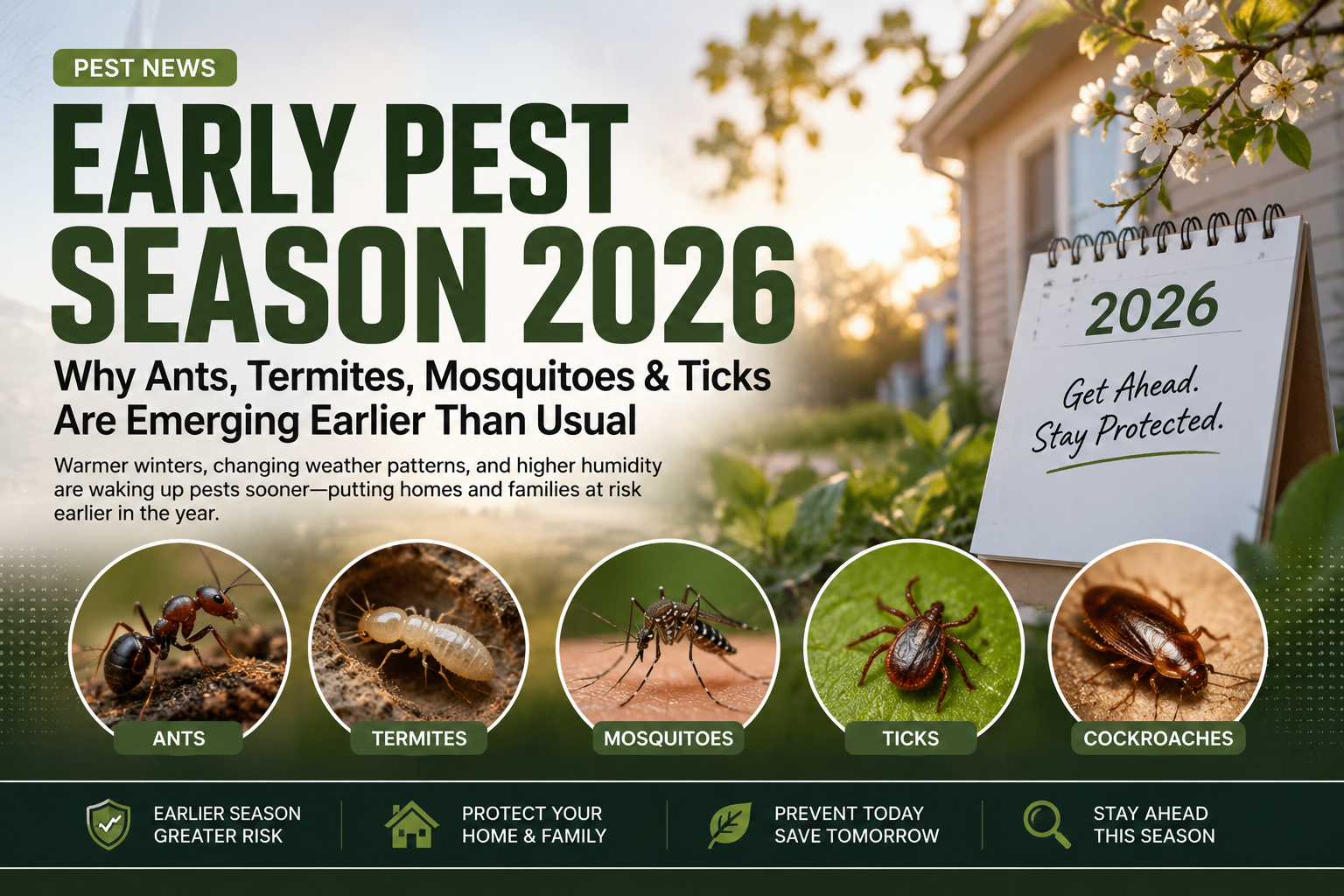
Mosquitoes are widely considered the world’s deadliest animals due to their unmatched ability to transmit harmful pathogens into human populations. Every year, millions of people worldwide are affected by outbreaks of mosquito-borne diseases, making these tiny vectors a permanent fixture on public health watchlists.
Tracking mosquito-borne diseases is a complex challenge, since infection rates fluctuate depending on region, weather patterns, and season. This guide covers emerging global transmission trends, primary health risks, and proven strategies to safeguard your household and travel plans.
Table of Contents
What Are Mosquito-Borne Diseases?
Mosquito-borne diseases are conditions caused by viruses, bacteria, or parasites transmitted through the bite of an infected mosquito. The insect acts as a biological vector — it picks up a pathogen while feeding on an infected person or animal, then passes it to a new host during its next blood meal.
Unlike simple mechanical transmission, where a pest just transfers dirt or bacteria on its feet, mosquitoes carry the pathogen internally. The agent reproduces or matures within the mosquito’s salivary glands, ensuring it’s injected straight into the bloodstream during feeding.
Diseases Spread by Mosquitoes
A small group of specialized mosquito species is responsible for the vast majority of mosquito-borne diseases worldwide:
| Disease | Regions Affected | Main Symptoms | Species Involved | Prevention Methods |
|---|---|---|---|---|
| Dengue | Tropics/subtropics, expanding to temperate areas | Joint pain, fever, rash, bleeding | Aedes aegypti, Aedes albopictus | Eliminate puddles, apply DEET |
| Malaria | Sub-Saharan Africa, South Asia, Latin America | Chills, flu-like illness, anemia | Anopheles species | Treated bed nets, prophylaxis |
| Zika Virus | Americas, Pacific Islands, Southeast Asia | Mild fever, red eyes, birth defects | Aedes aegypti, Aedes albopictus | Prevent container breeding, screens |
| Chikungunya | Africa, Asia, recent Americas surges | Severe joint pain, rash, headache | Aedes aegypti, Aedes albopictus | Long sleeves, remove leaf litter |
| West Nile Virus | North America, Europe, Africa, Middle East | Often asymptomatic, can cause encephalitis | Culex species | Clear gutters, repair screens |
| Yellow Fever | Tropical Africa, Central/South America | Jaundice, fever, internal bleeding | Aedes aegypti, Haemagogus species | Vaccine, personal repellent |
Why Outbreaks Are Increasing
Public health monitors report a steady rise in the frequency and geographic scope of mosquito-borne diseases, driven by several major factors:
- Climate change — warmer temperatures speed mosquito reproduction, and milder winters extend the transmission season into new regions
- Rapid urbanization — dense populations near poor drainage give species like Aedes aegypti endless artificial breeding containers
- International travel — fast flights can carry an infected, asymptomatic person across the globe in hours, sparking new local transmission cycles
- Accumulated standing water — neglected construction sites and uncollected waste create countless tiny breeding pockets
- Global population growth — encroachment into wild environments increases contact with mosquito vectors and zoonotic spillover risk
Countries and Regions Frequently Affected
Tropical and subtropical zones bear the heaviest long-term burden of mosquito-borne diseases. Sub-Saharan Africa remains the epicenter for malaria outbreaks, straining local healthcare systems and economies.
Southeast Asia and Latin America frequently see large-scale dengue outbreak cycles tied to seasonal monsoon rains. These diseases are no longer confined to traditional tropical zones, either — Southern Europe and the Southern United States now regularly issue seasonal local transmission warnings for West Nile Virus and Dengue.
How Public Health Agencies Respond
International and local health organizations use an Integrated Vector Management protocol:
- Deploy ovitraps and track viral loads — egg-laying traps evaluate vector density and test specimens for active viral presence.
- Initiate targeted spraying and larviciding — biological larvicides in storm drains and marshes, combined with ULV misting during active alerts.
- Issue coordinated alerts and health guidance — real-time warnings to hospitals, bed net distribution in high-risk zones, and public safety information.
How Homeowners Can Reduce Mosquito Risks
A comprehensive prevention program around your property is your best defense against mosquito-borne diseases:
- Tip, toss, and drain standing water — every three days, since mosquitoes need less than a tablespoon to breed
- Apply microbial larvicides to permanent water features — BTI larvicide rings in birdbaths and rain barrels, monthly
- Keep gutters clean and clear — clogged channels trap rainwater and create an invisible mosquito nursery
- Maintain window and door screens — repair small tears promptly to block evening-feeding mosquitoes
- Trim tall grass and dense vegetation — reduces the shaded, humid daytime shelter adult mosquitoes prefer
Travel Safety Tips During Outbreaks
- Research local outbreak advisories — check WHO or CDC travel health notices before departure
- Use EPA-registered repellents — DEET, Picaridin, or Oil of Lemon Eucalyptus, following label instructions
- Treat your gear with permethrin — 0.5% spray on clothes, boots, and tents repels and kills on contact
- Choose air-conditioned lodging — sealed windows keep flying insects out of sleeping spaces
- Sleep under a treated bed net — essential in rural or rustic settings within active malaria zones
Frequently Asked Questions
Which mosquito species is responsible for spreading the Dengue virus? Primarily Aedes aegypti, and to a lesser extent Aedes albopictus — both distinct for biting during the daytime.
Do all types of mosquitoes bite humans and transmit dangerous diseases? No. Only a small percentage of the 3,500+ known species bite humans, and only females take a blood meal to develop eggs.
How does an insect repellent like DEET actually protect my skin? It doesn’t kill mosquitoes — it masks human odors like carbon dioxide, confusing their sensory receptors.
Can mosquito-borne viruses be passed directly from person to person? No. Transmission requires a mosquito to bite an infected person and then bite a healthy individual afterward.
What is the primary difference between Dengue and Malaria? Dengue is viral and spread by daytime-biting Aedes mosquitoes in urban areas. Malaria is parasitic and spread by nighttime-biting Anopheles mosquitoes, often in rural regions.
Can a mosquito transmit the HIV virus through a blood bite? No. HIV is digested in the mosquito’s stomach rather than multiplying, and mosquitoes don’t inject prior blood into a new host.
How quickly do symptoms typically appear after an infected bite? It varies — viral infections like Dengue or Zika usually show symptoms in 3 to 14 days, while Malaria can take a week to several months.
Are natural home remedies like citronella candles effective for outbreaks? They offer mild, localized relief but not reliable protection during an active outbreak — EPA-registered repellents are more dependable.
Key Takeaways
- Day and night monitoring — different species bite at different hours, so protect yourself around the clock
- Eliminate micro-water sources — drain standing water weekly to destroy breeding grounds
- Select registered repellents — EPA-registered DEET or Picaridin for dependable protection
- Stay informed when traveling — check public health updates and vaccinations before visiting outbreak zones
Staying informed about mosquito-borne diseases and taking consistent prevention steps is the most effective defense for both your home and your travels. For related reading, see our Pest Control overview, our Signs of Pest Damage guide, our DIY Pest Control guide, or our Outdoor Pests guide.
Sources: WHO: Vector-Borne Diseases Hub · CDC: Mosquito-Borne Illness Information · ECDC: Disease Vectors Dashboard · PAHO: Dengue and Chikungunya Alerts · NIH: Vector Biology Research