Discovering a termite problem is a homeowner’s worst nightmare. These tiny, wood-destroying insects work around the clock, chewing through structural timbers, flooring, and drywall. Because they live underground or deep inside walls, they can quietly compromise your home’s structural integrity for years before any obvious warnings appear.
Implementing a proactive termite prevention strategy is arguably the smartest investment you can make in your property. Taking defensive measures today is vastly less expensive than repairing thousands of dollars in structural wood damage later. This comprehensive termite prevention guide outlines actionable termite prevention tips to fortify your property and prevent termite infestation cycles from ruining your investment.
Why Termite Prevention Matters
Termites are responsible for billions of dollars in property damage annually, yet standard homeowners insurance policies rarely cover the cost of remediation or repairs. Proactive prevention is essential because of:
- Severe Structural Damage: Termites target the load-bearing wooden framing of your home, including mudsills, floor joists, and roof supports.
- Extremely Expensive Repairs: Rebuilding structural components hidden behind drywall or buried beneath subfloors requires invasive, high-cost contractor labor.
- The Reality of Silent Infestations: Subterranean termites eat wood from the inside out, leaving the exterior veneer completely intact. You could walk past an infested wall every day without realizing a colony is thriving inside.
- Long-Term Property Protection: Consistent maintenance preserves your home’s resale value and ensures it remains structurally sound and legally insurable.
What Attracts Termites?
Termites enter your property boundary in search of two critical resources: cellulose (wood, paper, cardboard) and moisture. They are drawn to risk factors such as:
- Persistent Moisture: Saturated soil around your foundation provides an ideal environment for subterranean termites to survive and dig tunnels.
- Direct Wood-to-Soil Contact: Wooden siding, door frames, deck posts, or lattice trim touching the dirt give termites an invisible, direct highway straight into your home.
- Firewood Piles Near the Home: Storing logs or scrap lumber against siding provides an immediate food source and nesting site.
- Thick Landscaping Mulch: Wood mulch holds moisture against foundation walls and acts as an attractive forage site.
- Leaking Pipes and Outdoor Spigots: Slow drips under sinks, inside crawl spaces, or near exterior walls create local wet zones that sustain colonies.
- Poor Landscape Drainage: Clogged gutters or flat yard grading that allows rainwater to pool along concrete foundations.
- Cracks in Concrete Foundations: Hairline fractures give subterranean termites an entry point into your home’s interior framing.
- Untreated Softwoods: Using unsealed, non-pressure-treated wood for decks, fences, or landscaping borders.
Indoor Termite Prevention
Securing the interior of your home involves managing moisture and keeping structural framing completely dry. Focus on these heavy-impact actions:
- Keep Crawl Spaces and Basements Properly Ventilated: Use vapor barriers over dirt floors and ensure foundation vents are completely unobstructed. Dehumidifiers should be used to maintain relative humidity below 50% in subterranean areas.
- Repair Internal Plumbing Leaks Immediately: Routinely check beneath kitchen and bathroom sinks, behind washing machines, and around water heaters for slow, hidden drips.
- Inspect Wooden Structures Regularly: Use a flashlight to check exposed floor joists, sill plates, and wood columns in your basement or crawl space for changes in appearance or texture.
- Seal Interior Foundation Cracks: Use heavy-duty hydraulic cement or polyurethane sealants to fill any gaps or cracks appearing along interior basement floors and walls.
Outdoor Termite Prevention
Your primary line of defense is creating a barren, dry buffer zone around the exterior perimeter of your home. Use these steps to protect your home from termites:
- Eliminate Wood-to-Soil Contact: Ensure that your home’s wood siding, insulation boards, and door frames sit at least 6 inches above the final soil grade line.
- Store Firewood Safely Away from the House: Keep firewood stacks elevated on metal racks or concrete blocks at least 20 feet away from any residential structures.
- Improve Drainage and Keep Gutters Clean: Clear leaves and debris out of gutters and downspouts every autumn and spring. Direct downspout extensions at least 3 to 5 feet away from foundation walls.
- Reduce and Manage Excessive Mulch: Avoid placing wood mulch directly against your foundation. Keep a 12-to-18-inch border of crushed gravel or river stone between your home’s foundation and your landscaping beds.
- Remove Dead Trees, Roots, and Stumps: Grinding out old tree stumps and removing dead roots eliminates subterranean termite nesting sites near your home.
- Trim Plants and Shrubs Away from Exterior Walls: Cut back dense foliage so it sits at least 12 inches away from your foundation, allowing airflow to dry out the soil and keeping foundation walls fully visible for inspection.
Seasonal Termite Prevention Tips
Termite activity changes dynamically with the seasons. Adjust your defensive strategies throughout the year:
Spring and Summer
This is peak swarming season for subterranean and drywood termites. On warm days immediately following heavy rains, termite swarmers fly out to start new colonies. Focus heavily on checking your windowsills and exterior walls for discarded, equal-length translucent wings. Ensure your drainage systems are operating flawlessly during heavy summer downpours.
Autumn and Winter
As temperatures cool, subterranean termites dig deeper into the earth, following heat lines toward heated home foundations. Prioritize exclusion and inspection work during these cooler months: check crawl space vents for blockages, seal gaps around incoming utility pipes, and ensure your winter wood piles are stored properly away from the structure.
Common Mistakes That Increase Termite Risk
Many well-meaning property owners unknowingly increase their risk of structural pest damage. Avoid these critical mistakes:
- Allowing Soil or Mulch to Build Up Against Siding: Adding fresh layers of mulch year after year can slowly cover concrete foundations, giving termites direct access to your home’s lower wood frames.
- Storing Cardboard Boxes in Damp Crawl Spaces: Cardboard is made of processed wood fibers and represents a highly concentrated source of cellulose food that termites love.
- Neglecting Leaky Exterior Spigots: Assuming a tiny outdoor water drip is harmless saturates nearby soil, creating the perfect environmental conditions for a colony to thrive.
- Constructing Untreated Wood Decks Directly on Dirt: Building a wooden deck or steps without utilizing concrete piers or pressure-treated lumber invites wood-boring pests directly to your property.
Natural Termite Prevention Methods
If you wish to stop termites naturally without relying entirely on synthetic perimeter liquid treatments, implement these non-toxic techniques:
- Nematodes: Beneficial nematodes are microscopic, predatory roundworms that you can mix with water and spray into damp garden soil. They target, infect, and naturally eliminate subterranean termites without harming plants, pets, or humans.
- Borate Wood Treatments: Spraying or painting a natural sodium borate solution (like Bora-Care) onto exposed, unpainted structural timbers during home renovations provides long-term protection. The borate salts penetrate the wood fibers, acting as an ingestion poison that stops termites from digesting cellulose.
- Orange Oil (D-Limonene): Extracted from orange rinds, pure orange oil can be injected into targeted localized wood galleries to eliminate drywood termites naturally on contact.
Early Warning Signs of Termites
Regularly monitor your property so you can stop a colony before it causes widespread destruction. Watch for these early indicators:
- Mud Tubes on Foundations: Pencil-thick tunnels made of dirt, wood bits, and saliva climbing up concrete foundation walls, support piers, or floor joists.
- Discarded Wings: Finding small piles of identical, translucent, silvery wings on indoor windowsills, floors, or outdoor spiderwebs after warm spring rains.
- Hollow-Sounding Wood: Tapping structural timbers with a screwdriver handle and hearing a dull, hollow, or papery sound, indicating the interior has been gutted.
- Frass (Drywood Termite Droppings): Small, localized mounds of tiny, hexagonal pellets that look like coarse sand or sawdust appearing beneath furniture or baseboards.
When to Contact a Professional Pest Control Company
While DIY moisture control and exclusion are highly effective preventative steps, eradicating an active termite infestation requires a professional response. Subterranean colonies can number in the hundreds of thousands, tunneling deep beneath your concrete slab or yard.
Schedule Annual Inspections
Even if you don’t see signs of activity, you should schedule a professional termite inspection once a year. Licensed inspectors have specialized tools, including thermal imaging cameras, acoustic sensors, and moisture meters designed to catch hidden infestations deep inside wall cavities.
Professional Treatment Options
If an active colony is confirmed, professionals can implement industrial-grade solutions such as localized baiting stations (like the Sentricon system) or liquid soil barriers that eradicate the entire underground nesting network safely and completely.
Frequently Asked Questions
Can termites eat through concrete foundations?
No, termites cannot chew or eat through solid concrete. However, they can squeeze through incredibly tiny hairline settling cracks or expansion joints within a concrete foundation—some as narrow as 1/32 of an inch.
What is the difference between an ant and a termite?
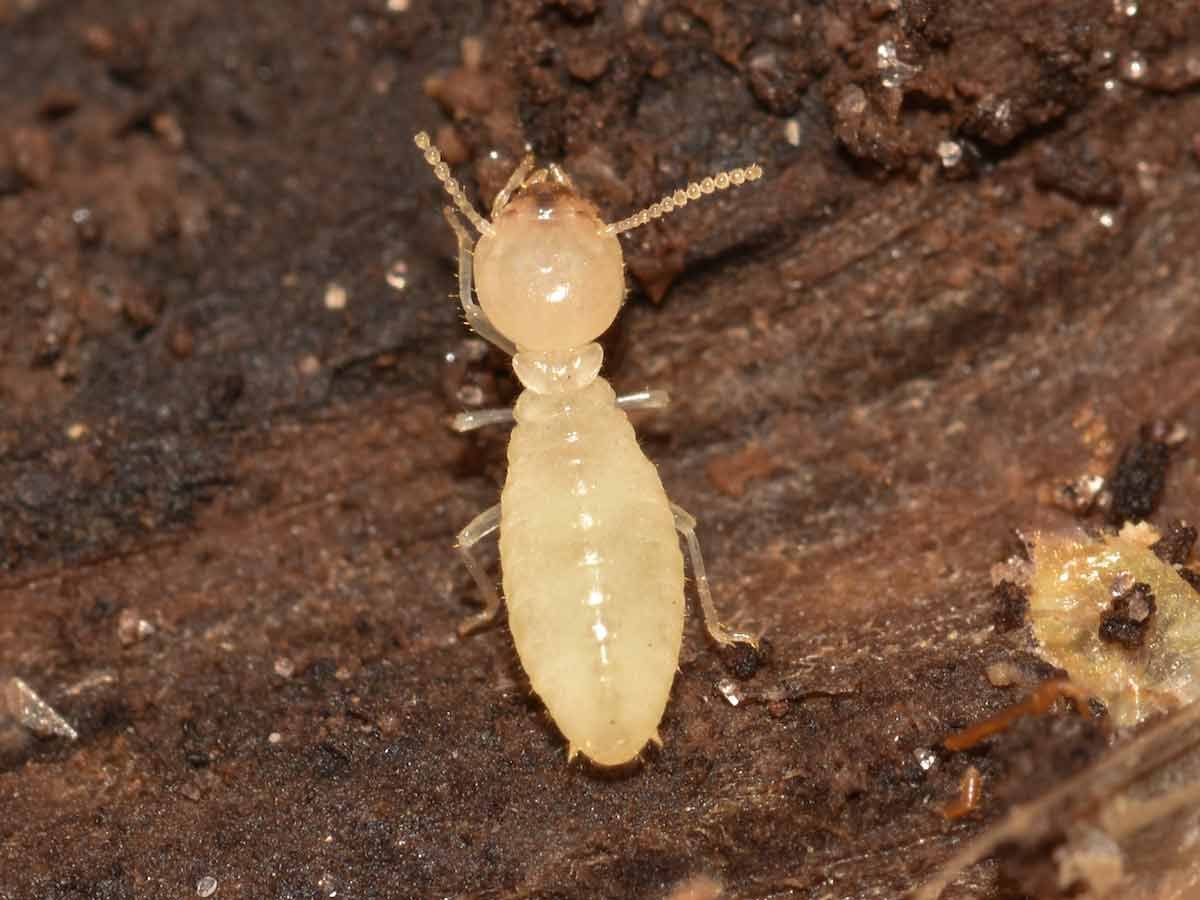
Look closely at the body and antennae. Ants have a distinct, narrow, pinched waist and bent (elbowed) antennae. Termites have a thick, straight waist with a uniform body width and straight, bead-like antennae.
Does pressure-treated wood prevent termites completely?
Pressure-treated wood is deeply infused with chemical preservatives that deter wood-destroying organisms. While highly resistant, it is not entirely bulletproof. Over time, as the wood cracks, weathers, or faces persistent moisture, termites can still tunnel through or attack the untreated core.
How long does a professional termite preventative treatment last?
A high-quality liquid soil barrier treatment applied by a professional pest control company typically protects a home for 5 to 10 years, whereas professional termite baiting monitoring stations generally require annual maintenance checks.
Do termites die out on their own?
No. Termite colonies will not willingly leave or die out as long as they have access to wood food sources and consistent moisture. A healthy subterranean queen can live for decades, meaning an infestation will only expand until it is actively treated.
Can you prevent termites using cedar mulch?
Heartwood cedar contains natural resins and organic compounds that can repel termites temporarily. However, as the mulch weathers, degrades, and is exposed to rain and sunlight, it loses its natural repellent traits and can still harbor pests.
Can I do my own termite soil treatment?
While over-the-counter termiticides are available, achieving a complete, unbroken chemical barrier around a home requires trenching, drilling through concrete slabs, and using specialized high-pressure soil injection rods. Gaps in DIY barriers can be easily found and bypassed by foraging termites.
Why do termites swarm inside a house?
If a swarm of winged termites emerges indoors, it means a mature colony is already nesting inside the structural walls or directly beneath the home’s foundation slab, requiring immediate professional help.
Key Takeaways
- Eliminate Moisture: Fix all interior and exterior plumbing leaks, keep gutters functional, and maintain indoor relative humidity below 50%.
- Cut Off Ground Contact: Ensure a clear 6-inch gap of visible foundation exists between the soil line and your home’s wood siding or trim.
- Keep Wood Far Away: Store firewood, lumber, and landscape wood mulch away from your immediate foundation walls.
- Perform Regular Inspections: Actively monitor your property for mud tubes, dropped wings, and hollow-sounding wood, and schedule a professional inspection annually.
Suggested Internal Linking Opportunities
- Link to your specific guide on: Termite Identification Guide: How to Identify Termites (Context: “…outline exactly what do termites look like and how to spot them…”)
- Link to your home maintenance guide: How to Identify and Repair Slow Plumbing Leaks Under Sinks (Context: “…routinely check beneath kitchen and bathroom sinks for slow drips…”)
- Link to your structural safety guide: The Complete Homeowner’s Guide to Caulking and Exterior Exclusion Work (Context: “…use heavy-duty hydraulic cement or polyurethane sealants…”)
- Link to your crawling space guide: The Homeowner’s Guide to Crawl Space Ventilation and Moisture Control (Context: “…use vapor barriers over dirt floors and ensure vents are unobstructed…”)
External Authoritative References
- United States Environmental Protection Agency (EPA): Termites: How to Identify and Control Them
- United States Department of Agriculture (USDA) Forest Service: Subterranean Termites Prevention
- University of California Statewide Integrated Pest Management Program (UC IPM): Termite Management Guidelines
- Clemson University Cooperative Extension: Subterranean Termite Control and Prevention
- North Carolina State University Extension: Biology and Prevention of Wood-Destroying Insects