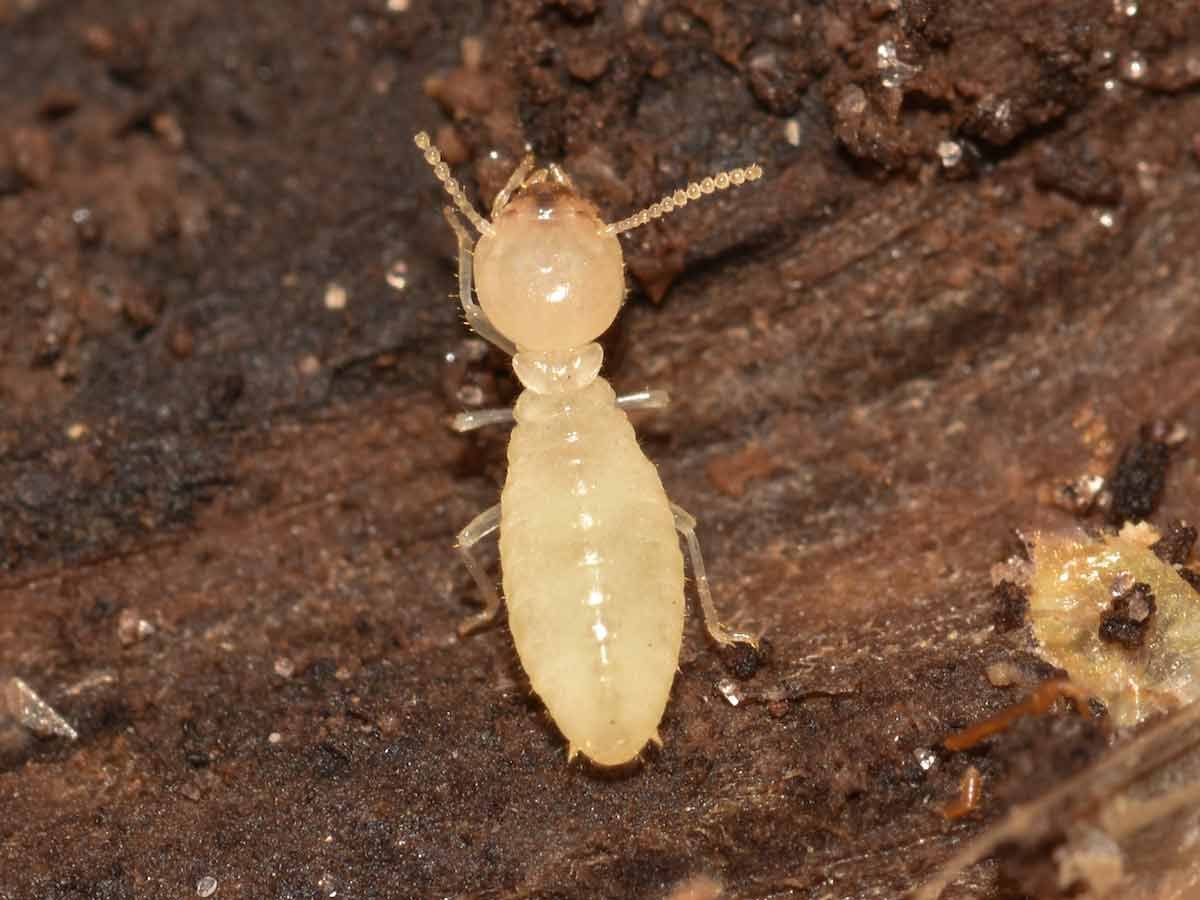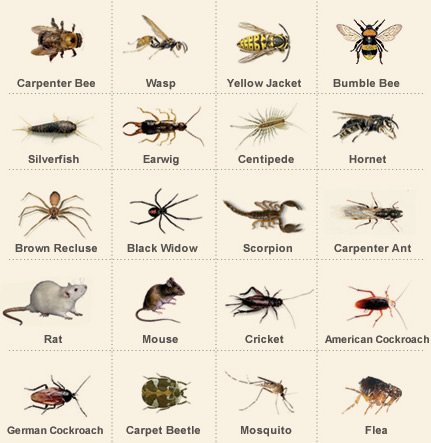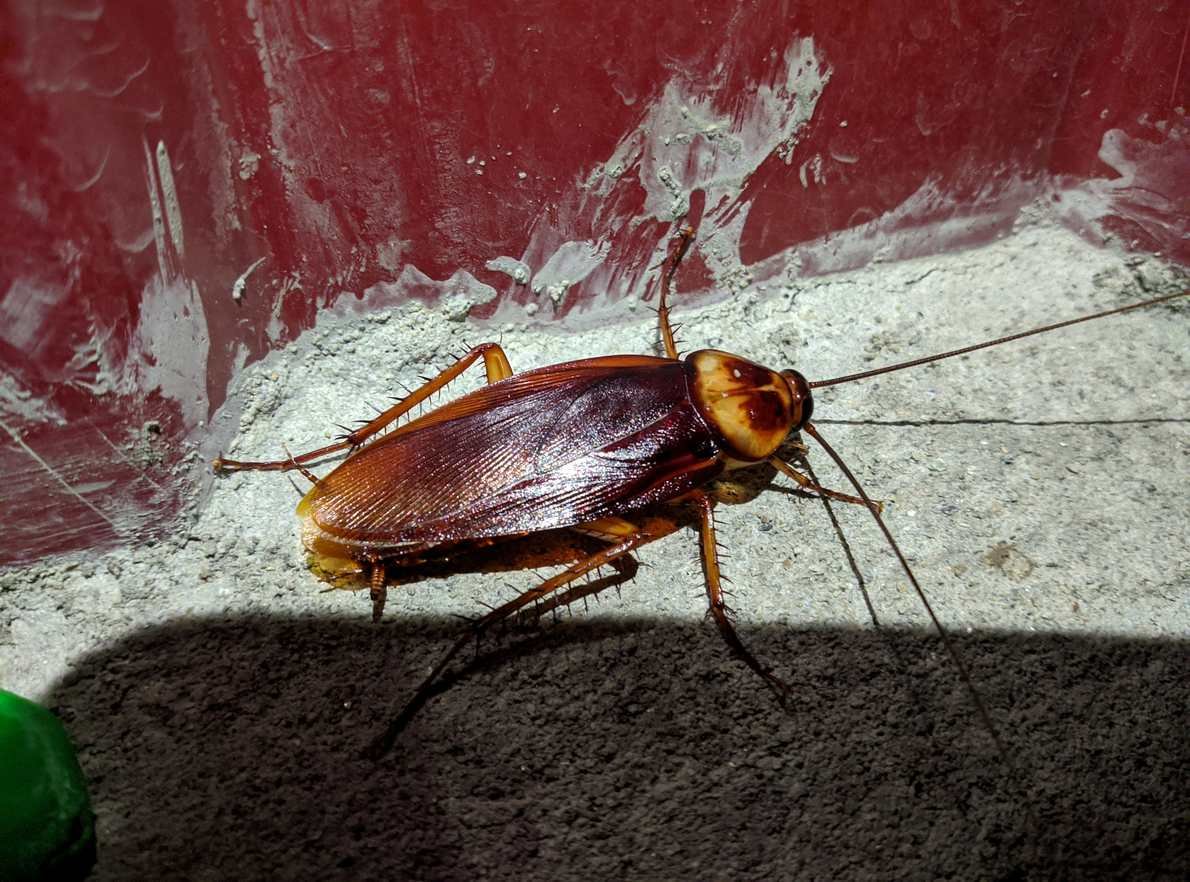
Cockroaches are among the most resilient and despised household pests on earth. Once a single breeding pair or an egg capsule makes its way inside your walls, a small issue can rapidly escalate into a widespread problem. Because cockroaches excel at hiding in dark, microscopic crevices and reproduce at an alarming rate, eradication requires an uphill battle.
Implementing a proactive cockroach prevention strategy is vastly easier, cleaner, and more economical than trying to eliminate an established population. By learning how to cockroach proof your home, you cut off their access to basic survival resources. This comprehensive guide provides actionable cockroach prevention tips designed to secure your living spaces and stop cockroaches before infestation cycles can take hold.
Why Cockroach Prevention Matters
Allowing cockroaches to establish a foothold in your home introduces severe liabilities to your property and well-being. Proactive prevention matters because of:
- Severe Health Risks: Cockroaches are filthy vectors. They track bacteria across living surfaces and shed proteins in their saliva, feces, and cast skins that are proven triggers for severe asthma attacks and allergies, particularly in children.
- Widespread Food Contamination: Roaches mechanical spread pathogens like Salmonella, E. coli, and Listeria. A single roach walking across a cutting board or entering a pantry package can ruin food supplies.
- Rapid Reproduction Rates: A single female German cockroach can produce an egg capsule (ootheca) containing up to 40 eggs every few weeks. Left unchecked, a few stray roaches can multiply into thousands within months.
- Extremely Difficult Infestations: Cockroaches have developed metabolic resistance to many common over-the-counter insecticide sprays, making physical prevention your most reliable defense.
What Attracts Cockroaches?
Cockroaches enter human structures strictly out of necessity, seeking three core resources: water, food, and shelter. They are primarily drawn to:
- Food Crumbs and Spills: Microscopic grease splatters behind stoves, toaster crumbs, and unrinsed dinner plates left out overnight.
- Standing Water and Plumbing Leaks: Dripping pipes beneath bathroom sinks, condensation lines, pet water bowls, and saturated plant soil.
- Hidden Moisture: High humidity levels in unventilated basements, crawl spaces, and laundry areas.
- Cardboard and Paper Clutter: Corrugated cardboard boxes and stacks of brown grocery bags provide both an ideal shelter and a food source (they feed on the starch-based glues holding the paper together).
- Exposed Garbage: Unsealed trash cans and organic waste bins containing decomposing food scraps.
- Pet Food Left in the Open: Kibble left out in open bowls on the floor overnight, providing a high-protein feast for nocturnal foragers.
- Warm Hiding Places: The backs of refrigerator motors, electronic consoles, and the voids behind warm appliances.
Indoor Cockroach Prevention
Securing the interior of your home requires strict sanitation and smart storage habits. Focus on these heavy-impact actions:
- Keep Kitchens Meticulously Clean: Wipe down all cooking surfaces, countertops, and stovetops every single night with a disinfectant spray to eliminate invisible grease films.
- Store Food in Airtight Containers: Move cereals, grains, pet kibble, and baking ingredients out of flimsy cardboard or thin plastic film bags into heavy-duty, locking glass or plastic containers.
- Clean Behind and Underneath Appliances: Pull your stove, refrigerator, and microwave away from the walls quarterly. Vacuum and scrub away the accumulated food debris, dust, and grease that slide into these warm voids.
- Vacuum and Sweep Frequently: Vacuum rugs, dining areas, and baseboard channels daily to eliminate minor crumbs and pet dander.
- Maintain and Clean Household Drains: Pour a cup of boiling water or a baking soda and vinegar mixture down kitchen and bathroom drains weekly to clear away the buildup of organic slime that roaches use as food.
- Eliminate Indoor Cardboard Clutter: Unpack online delivery boxes outside immediately. Recycle cardboard storage boxes and replace them with durable, clear plastic storage totes equipped with snap-locking lids.
Outdoor Cockroach Prevention
Larger cockroach species (such as the American or Oriental cockroach) typically live outdoors and migrate inside during shifts in weather. Erect a strong perimeter defense with these steps:
- Seal Cracks, Gaps, and Utility Openings: Use premium silicone caulk to seal cracks in your foundation, gaps around exterior utility penetrations, and joints around window frames.
- Install Heavy-Duty Door Sweeps: Ensure all exterior doors have tight-fitting, professional-grade door sweeps. If you can see light passing under a door, a cockroach can easily squeeze through.
- Fix Exterior Plumbing and Spigot Leaks: Repair dripping outdoor faucets, faulty AC condensation lines, and leaking irrigation systems that create persistently damp soil zones near your foundation.
- Keep Outdoor Perimeters and Yards Tidy: Rake away dead leaf litter, grass clippings, and organic debris. Maintain a 12-to-18-inch clearance gravel or stone border between your home’s foundation and your lawn or mulch beds.
- Manage Outdoor Trash Containers: Store outdoor trash and recycling bins away from your home’s immediate entryways. Wash out the interiors of bins periodically with soapy water and a hose to eliminate sticky residues.
Seasonal Cockroach Prevention Tips
Cockroach behavior responds dramatically to seasonal changes. Adjust your defensive strategies accordingly:
Spring and Summer
As temperature and ambient humidity spike, cockroach activity reaches its peak. Focus heavily on reducing indoor humidity by utilizing air conditioning or dehumidifiers to keep moisture levels below 50%. Keep a strict kitchen sanitation routine, ensure window screens are free of tears, and empty indoor trash bins daily.
Autumn and Winter
When outdoor temperatures drop, peridomestic roaches seek out warm overwintering shelter inside heated homes. Prioritize exclusion work during these months: check the integrity of garage door weatherstripping, install mesh covers over plumbing weep holes, and examine firewood carefully before bringing it inside the house.
Common Mistakes That Invite Cockroaches
Many well-meaning property owners unknowingly sabotage their own pest defenses. Avoid these structural and behavioral mistakes:
- Leaving Pet Food Out Overnight: Leaving pet food bowls full after dark is an open invitation for nocturnal foraging pests. Pick up pet bowls before going to bed.
- Using Cardboard Boxes for Storage: Keeping old files, seasonal clothing, or holiday decorations in cardboard boxes inside attics or basements provides roaches with optimal nesting material.
- Ignoring a Dripping Under-Sink Pipe: Assuming a tiny water leak is harmless gives roaches a perpetual water source that keeps them alive for months, even if food is completely unavailable.
- Relying Solely on Bug Sprays: Spraying over-the-counter repellent aerosols along baseboards only causes cockroaches to scatter deeper into wall voids, making the root infestation harder to control.
Natural Cockroach Prevention Methods
If you wish to prevent roaches naturally without introducing synthetic pesticide residues to your living spaces, implement these eco-friendly methods:
- Boric Acid or Diatomaceous Earth Dusting: Apply an incredibly light, microscopic dusting of food-grade Diatomaceous Earth (DE) or Boric Acid powder inside the dry voids beneath cabinets and behind baseboards. These powders cling to a roach’s body, killing them naturally through mechanical abrasion or ingestion during grooming.
- Peppermint and Cedar Essential Oils: Pure essential oils act as powerful natural sensory deterrents. Mix 15 drops of peppermint or cedarwood oil with water in a spray bottle and mist it around suspected entry vectors, windowsills, and baseboard junctions to keep cockroaches away.
- Vinegar Counter Cleaners: Regularly wipe down surfaces with white vinegar. While it does not kill roaches, it effectively strips away the chemical pheromone trails they use to communicate travel paths to other members of the colony.
Signs Your Prevention Plan Isn’t Working
It is vital to monitor your home so you can gauge the success of your preventative measures. You know your strategy needs adjustments if you discover:
- Fecal Specks and Pepper Spots: Finding tiny black dots that resemble coarse black pepper scattered along cabinet hinges, countertops, or door frames.
- Discarded Egg Cases: Finding empty, purse-shaped, amber-colored oothecae tucked behind appliances, under drawers, or inside pantry shelves.
- Unusual Musty Scents: Detecting an oily, pungent, musty odor in kitchens or bathrooms that returns even after deep cleaning.
- Daytime Sightings: Spotting a live cockroach walking openly in daylight. Because cockroaches are strictly nocturnal, daytime visibility heavily suggests that overcrowding in hidden harborages is forcing them out into the open.
When to Call a Professional Pest Control Company
If your monitoring tools catch persistent activity, or if you encounter a massive breeding population of German cockroaches inside your kitchen cabinets, DIY prevention must shift immediately to professional remediation.
A licensed pest control firm possesses specialized, non-repellent insecticidal baits, growth regulators (IGRs) that stop roaches from reproducing, and high-tech tracking dusts necessary to reach deep inside wall voids. Once the professional completely clears the active infestation, you can cleanly re-establish your long-term prevention protocols.
Frequently Asked Questions
Can cockroaches climb up bathroom and kitchen drains?
Yes. Certain species, such as the Oriental and American cockroach, live in sewer systems and can crawl up drain pipes. This occurs most frequently if the drain’s water trap (P-trap) dries out from lack of use or if there is a heavy buildup of organic slime inside the pipe.
What smell will keep cockroaches away?
Cockroaches are highly repelled by the strong scents of peppermint oil, eucalyptus oil, tea tree oil, lavender, and fresh bay leaves. Placing these natural scents near entry points helps deter them from moving inward.
Does a clean home completely prevent cockroaches?
While exceptional cleanliness removes food sources and reduces their numbers, it cannot guarantee complete immunity. Roaches can still enter a clean house looking for water or warmth, and they can easily be introduced by hitchhiking inside grocery deliveries, packages, or secondhand appliances.
How do I cockroach proof my apartment unit?
Apartment residents share walls and plumbing lines with neighbors. To protect your unit, seal all gaps around the pipes entering beneath your kitchen and bathroom sinks, apply expanding foam around wall utility lines, install tight-fitting door sweeps on your front door, and keep your kitchen clear of exposed food.
Can cockroaches survive without food?
Yes. Cockroaches are cold-blooded and highly resilient. An adult cockroach can survive for up to a month without any food whatsoever, provided they have access to a reliable water source.
What kills cockroach eggs?
Cockroach egg capsules (oothecae) are protected by a tough, chemical-resistant shell that shields the embryos from standard bug sprays. The most effective ways to destroy eggs are physical crushing, vacuuming them up and discarding them outside, or extreme heat treatments.
How small of a gap can a cockroach fit through?
An adult German cockroach can squeeze through an opening as thin as a standard credit card (roughly 1.5 millimeters or 1/16 of an inch). If their head can fit through a crack, their flexible exoskeleton allows the rest of their body to compress and follow.
Do electronic pest repellers work on cockroaches?
Independent scientific testing and university extension studies have shown that ultrasonic and electronic pest repellers do not provide effective long-term pest deterrence or control for cockroaches.
Key Takeaways
- Target Moisture First: Eliminate pipe leaks, clear sluggish drains, and keep indoor humidity low to remove their primary survival need.
- Enforce Strict Kitchen Rules: Never leave dirty dishes out overnight, store all dry foods in rigid, airtight containers, and wipe down grease splatters daily.
- Seal Entry Pathways: Apply high-quality caulk around windows, utility pipes, and foundation seams, and reinforce entryways with door sweeps.
- Eliminate Paper Habitats: Promptly recycle corrugated cardboard boxes and paper grocery bags to remove their favorite hiding spots and nesting sites.
Suggested Internal Linking Opportunities
- Link to your detailed companion guide: How to Safely Apply Diatomaceous Earth and Silica Gel Dusts Indoors (Context: “…apply an incredibly light, microscopic dusting of food-grade Diatomaceous Earth…”)
- Link to your structural maintenance article: The Complete Homeowner’s Guide to Caulking and Exterior Exclusion Work (Context: “…use premium silicone caulk to seal cracks in your foundation…”)
- Link to a diagnostic pest post: What is the Difference Between German and American Cockroaches? (Context: “…larger cockroach species typically live outdoors and migrate inside…”)
- Link to your home water safety article: How to Identify and Repair Slow Plumbing Leaks Under Sinks (Context: “…dripping pipes beneath bathroom sinks, condensation lines…”)
External Authoritative References
- United States Environmental Protection Agency (EPA): Cockroaches and Integrated Pest Management
- Centers for Disease Control and Prevention (CDC): Cockroach Allergens and Asthma
- University of Nebraska-Lincoln Extension: Integrated Pest Management of Cockroaches
- University of California Statewide Integrated Pest Management Program (UC IPM): Cockroaches Management Guidelines
- National Pesticide Information Center (NPIC): Understanding and Controlling Cockroaches