Dealing with an active insect or rodent infestation can be incredibly stressful, expensive, and time-consuming. Many property owners wait until they spot a scurrying cockroach or a line of ants before taking action. However, the most effective pest management strategy is proactive rather than reactive.
Implementing a structural pest prevention plan is significantly easier and more cost-effective than trying to eradicate an established pest population. By making your property less attractive to invaders, you can stop infestations before they ever take root. This household pest prevention guide provides practical, actionable DIY pest prevention strategies to keep your home safe, clean, and bug-free year-round.
Why Pest Prevention Matters
Investing a little time into routine home maintenance yields massive returns when it comes to keeping invaders out. Proactive prevention helps to:
- Protect Your Home: Pests like termites and carpenter ants compromise structural wood, while rodents chew through electrical wiring and insulation, creating expensive repair bills and fire hazards.
- Protect Your Family’s Health: Cockroaches, rodents, and flies carry harmful pathogens and bacteria. Their droppings, saliva, and shed skins can also trigger severe asthma attacks and allergic reactions.
- Reduce Repair Costs: Preventing structural damage and avoiding emergency visits from exterminators saves thousands of dollars over the lifespan of your home.
- Avoid Food Contamination: Insects and mice quickly ruin expensive pantry staples by chewing through packaging and leaving behind waste.
Common Household Pests You Can Prevent
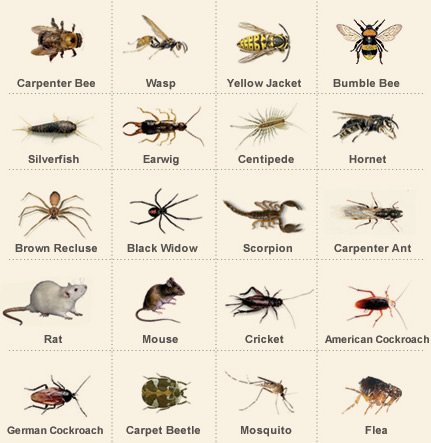
A solid defensive strategy helps protect your property against a wide range of common invaders:
- Ants: Drawn inside by even the smallest food crumbs or spills.
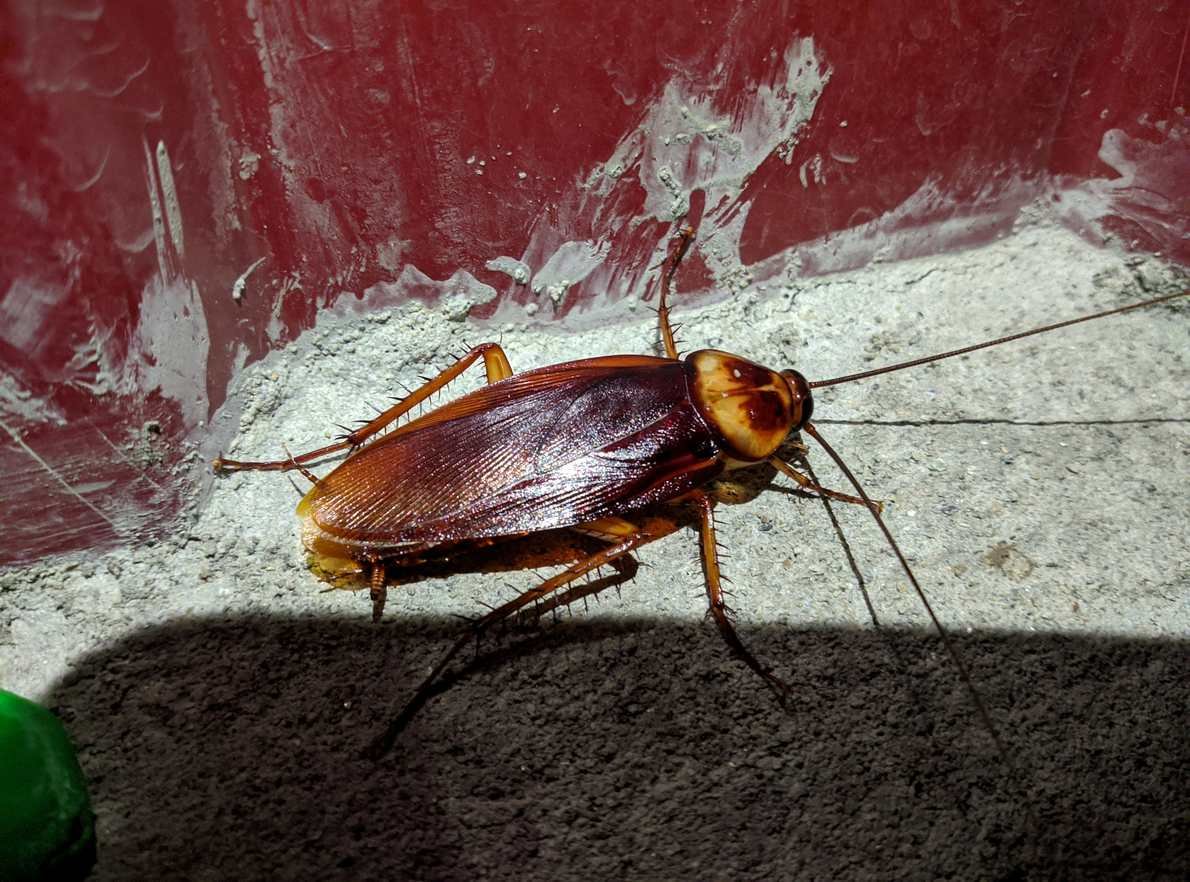
- Cockroaches: Thrived in warm, dark, humid areas with easy access to food and water.
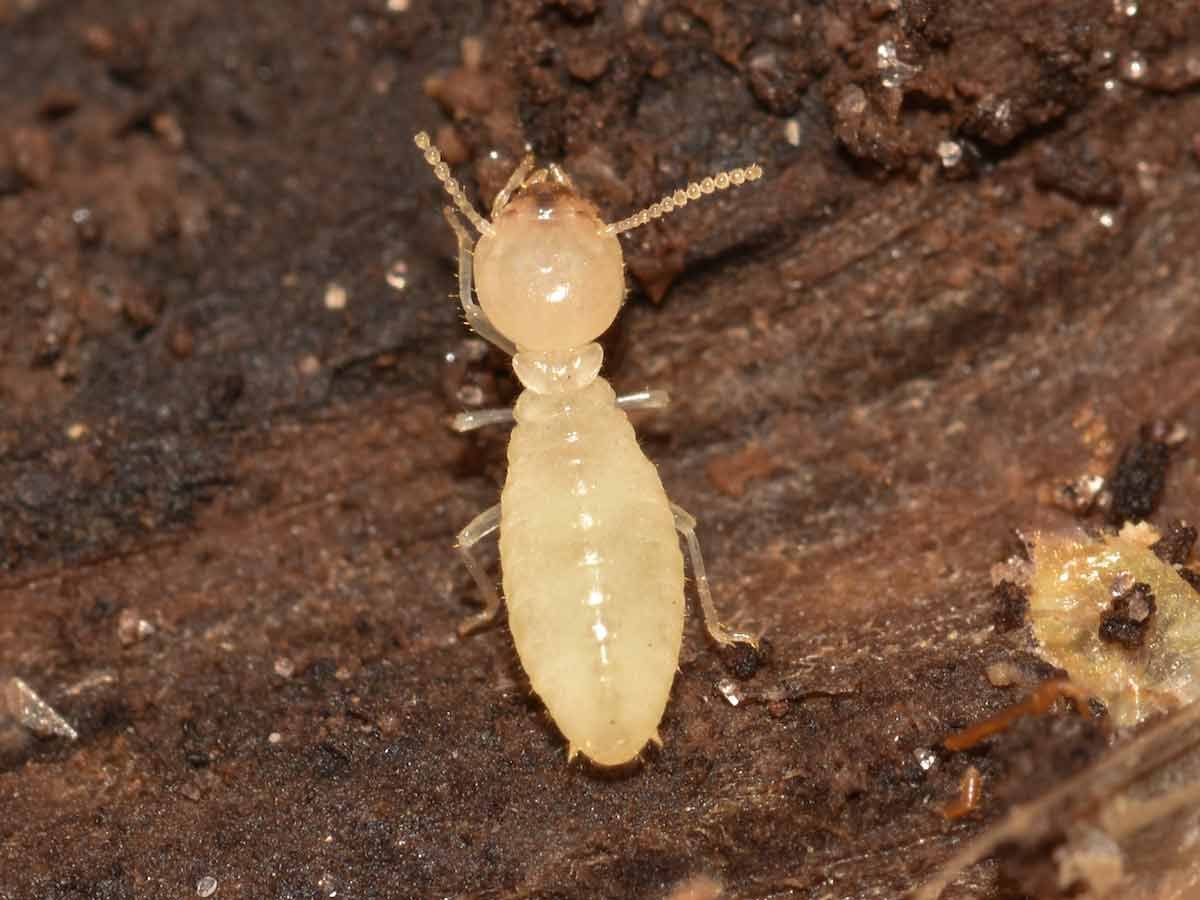
- Termites: Attracted to wood-to-soil contact and hidden moisture sources.
- Bed Bugs: Hitchhike into homes via luggage, clothing, and secondhand furniture.
- Rodents (Mice & Rats): Squeeze through tiny exterior gaps seeking warmth, nesting material, and food.
- Mosquitoes: Breed in stagnant, standing water around yards and gutters.
- Flies: Drawn to exposed garbage, pet waste, and decaying organic matter.
- Spiders: Enter homes looking for quiet, undisturbed spots to hunt other insects.
Indoor Pest Prevention Tips
Keeping the interior of your home clean and well-sealed is your primary line of defense against invaders. Focus on these core areas:
- Keep Food Properly Stored: Transfer dry goods like cereal, flour, sugar, and pet food out of flimsy cardboard boxes and into airtight plastic, glass, or metal containers.
- Clean Kitchen Surfaces Daily: Wipe down countertops, sweep floors, and wash dishes immediately after meals to eliminate food attractants.
- Dispose of Garbage Regularly: Use trash cans with tight-fitting lids. Empty indoor trash bins daily and wash the cans periodically to remove sticky residues.
- Vacuum Frequently: Regular vacuuming removes hidden crumbs, insect eggs, and the pet dander that feeds various pests. Pay special attention to baseboards, rugs, and underneath heavy furniture.
- Keep Pet Food Sealed: Avoid leaving pet food bowls out overnight. Store bulk pet food bags in heavy-duty plastic bins with locking lids.
- Declutter Storage Areas: Pests love dark, undisturbed places. Replace cardboard storage boxes in basements, attics, and closets with durable plastic tote bins to remove nesting sites.
- Inspect Packages and Luggage: Check secondhand furniture, grocery delivery boxes, and travel suitcases carefully before bringing them into your living spaces.
Outdoor Pest Prevention Tips
Your yard is the buffer zone. Managing your home’s exterior makes it much harder for pests to bridge the gap into your living spaces:
- Seal Cracks and Gaps: Inspect your home’s foundation, siding, and utility penetrations. Fill small gaps with silicone caulk, and use steel wool combined with expanding foam to block larger holes against rodents.
- Eliminate Standing Water: Empty birdbaths, kiddie pools, flowerpot saucers, and toys weekly to interrupt the mosquito breeding cycle.
- Fix Plumbing Leaks: Repair outdoor spigots, dripping air conditioner condensation lines, and irrigation leaks that create damp soil zones.
- Trim Vegetation Near the Home: Cut back tree branches and dense shrubs so they sit at least 12 to 18 inches away from your roofline and siding. This eliminates natural bridges that ants, rodents, and spiders use to enter your home.
- Store Firewood Away From Walls: Keep firewood stacks elevated off the ground and placed at least 20 feet away from your home’s foundation to deter termites and mice.
- Maintain Gutters: Clean leaves and debris out of gutters and downspouts regularly to ensure water flows away from your foundation rather than pooling near structural wood.
- Screen Windows and Doors: Install fine-mesh screens on all windows and doors. Check existing screens regularly and repair any small tears or holes promptly.
- Protect Gardens From Pests: Clean up fallen fruit and rotting vegetables from backyard gardens immediately so they do not serve as a free buffet for wildlife and rodents.
Seasonal Pest Prevention
Pest pressures shift as the weather changes. Adjust your focus throughout the year to prevent home pests effectively:
Spring
As temperatures warm up, insects emerge to forage and reproduce. Focus on repairing window screens, checking for early termite swarms, clearing out gutters, and sealing foundation cracks that opened during winter freezes.
Summer
This is peak season for mosquitoes, ants, flies, and stinging insects. Prioritize moisture control, empty standing water frequently, keep outdoor trash bins clean, and ensure your kitchen remains clear of food crumbs.
Autumn
When the weather cools, rodents and spiders seek out warm overwintering sites inside structures. Focus heavily on exclusion work: check garage door weatherstripping, seal gaps around outdoor pipes, and clear leaf litter away from your home’s foundation.
Winter
Pests that made it inside will nest in quiet areas. Keep your basement, attic, and crawl spaces well-ventilated and organized. Inspect stored decorations for signs of mice before bringing them into the main living areas.
Mistakes That Attract Pests
Many homeowners accidentally invite pests inside by overlooking minor details. Avoid these common mistakes:
- Ignoring Minor Leaks: A slow, dripping pipe under the kitchen sink or in a crawl space creates the perfect humid environment for cockroaches, silverfish, and termites.
- Leaving Exterior Doors Propped Open: Keeping doors or garage doors open without screens invites flying insects and curious rodents right inside.
- Using Too Much Wood Mulch: Laying thick layers of wood mulch directly against your foundation holds moisture and serves as a direct food source for wood-destroying organisms. Keep mulch at least 6 inches away from foundation walls.
- Neglecting Weatherstripping: Worn-out door sweeps and missing weatherstripping create entry gaps large enough for mice (which only need a hole the size of a dime to enter).
Natural Pest Prevention Methods
If you prefer to keep pests away naturally without using harsh synthetic chemicals, incorporate these safe, non-toxic techniques:
- Essential Oils: Peppermint, lavender, eucalyptus, and cedarwood oils act as excellent natural repellents. Mix a few drops with water in a spray bottle and apply it along windowsills and door frames.
- Diatomaceous Earth (DE): Dust food-grade Diatomaceous Earth into dry cracks, crevices, and behind baseboards. This natural powder damages the waxy exoskeletons of crawling insects on contact, causing them to dehydrate safely.
- Physical Barriers: Installing copper mesh wire into weep holes and foundation gaps creates an impenetrable, non-toxic barrier that rodents cannot chew through.
- Vinegar Sprays: Wiping down countertops with a 50/50 mix of white vinegar and water removes food scents and destroys the invisible pheromone trails that ants use to guide their colony to food sources.
When Prevention Isn’t Enough
Even with meticulous prevention efforts, old homes, severe regional pest pressures, or neighboring infestations can sometimes overwhelm your defenses.
Knowing the Threshold
If you notice recurring structural damage (like hollowed wood or chewed drywall), spot multiple live rodents, or find signs of deeply embedded pests like termites or bed bugs, DIY prevention is no longer enough.
Why Hire a Professional
A licensed pest control company can identify the exact species invading your home, locate hidden nests within wall voids, and implement targeted treatments that are not available over the counter. Once they eradicate the active problem, they can provide customized exclusion advice to ensure your preventative measures remain successful moving forward.
Frequently Asked Questions
What is the most effective pest prevention method?
Sanitation and exclusion are the two most effective methods. Removing food and water sources while sealing up physical entry points stops the vast majority of pest issues before they can start.
How do I stop pests from entering through weep holes?
Never seal brick weep holes completely with solid caulk or foam, as they are necessary for wall ventilation. Instead, insert specialized wire mesh weep hole covers or stainless steel mesh inserts that block pests while allowing air to flow freely.
Can pests come up through bathroom drains?
Yes. Cockroaches, sewer flies, and silverfish can climb up drains if the pipes are dirty or if the water trap (P-trap) dries out from lack of use. Run water down seldom-used drains regularly to keep the trap full.
Does keeping a clean house completely prevent pests?
While keeping a clean home eliminates food sources, it does not make a home completely immune. Pests may still enter a spotless house seeking shelter, warmth, or moisture during extreme weather conditions.
How often should I check my home for pest entry points?
It is best to conduct a thorough exterior and interior inspection at least twice a year—ideally in the spring and autumn—to identify and repair any new cracks or worn weatherstripping.
What naturally repels rodents?
Rodents dislike strong, pungent smells. Peppermint oil, crushed garlic cloves, and cayenne pepper can temporarily deter mice from specific areas, though physical exclusion remains necessary for long-term control.
Does turning off lights at night prevent bugs?
Many nocturnal flying insects are highly attracted to the ultraviolet spectrum emitted by standard white incandescent bulbs. Switching your exterior lights to yellow LED “bug bulbs” significantly reduces the number of flying pests drawn to your doors and windows.
Why do I see more pests after it rains?
Heavy rain saturates the soil, flooding underground nests and forcing insects and rodents to seek higher, drier ground, which often leads them directly into your home.
Key Takeaways
- Seal the Structure: Block cracks, gaps, and openings with high-quality caulk, steel wool, and heavy-duty door sweeps.
- Control Moisture: Fix plumbing leaks, clean gutters, and eliminate standing yard water to remove vital water sources.
- Practice Sanitation: Secure all pantry items in airtight containers, clean kitchen surfaces daily, and manage household trash carefully.
- Manage Your Landscaping: Keep tree limbs and mulch pulled back away from your siding and foundation walls.
Suggested Internal Linking Opportunities
- Link to your detailed guide on: Termite Identification Guide: How to Identify Termites (Context: “…like termites and carpenter ants compromise structural wood…”)
- Link to an article about: Bed Bug Identification Guide: How to Identify Bed Bugs (Context: “…hitchhike into homes via luggage, clothing, and secondhand furniture.”)
- Link to a guide on: Silverfish Identification Guide (Context: “…sewer flies, and silverfish can climb up drains…”)
- Link to a safe use guide: How to Safely Apply Diatomaceous Earth and Silica Gel Dusts Indoors (Context: “…dust food-grade Diatomaceous Earth into dry cracks…”)
- Link to a resource covering: The Homeowner’s Guide to Crawl Space Ventilation and Moisture Control (Context: “…or in a crawl space creates the perfect humid environment…”)
External Authoritative References
- United States Environmental Protection Agency (EPA): Integrated Pest Management (IPM) Principles
- Centers for Disease Control and Prevention (CDC): Rodents – Control and Prevention
- National Pesticide Information Center (NPIC): Pest Prevention Tips
- University of California Integrated Pest Management (UC IPM): Pest Management in the Home
- Purdue University Extension: Household and Structural Pests Guide