Bed Bug Identification Guide: How to Identify Bed Bugs
Waking up with unexplained, itchy red welts or spotting strange dark spots on your sheets can instantly trigger panic. Bed bugs are among the most challenging and emotionally distressing household pests to deal with. Because they are highly elusive, small, and primarily active while you sleep, a bed bug infestation can easily grow unnoticed for weeks.
Accurate bed bug identification is absolutely vital. Misidentifying these pests often leads to ineffective treatments that cause the bugs to scatter, worsening the problem. This comprehensive bed bug identification guide will teach you exactly what do termites look like—err, rather, what do bed bugs look like—how to spot early signs of bugs, and how to safely regain control of your home.
What Are Bed Bugs?
Bed bugs are small, parasitic insects that feed exclusively on the blood of warm-blooded animals, with humans being their preferred hosts.
- Scientific Overview: The common bed bug is scientifically known as Cimex lectularius. They belong to the family Cimicidae, a group of insects specialized for blood-feeding.
- Common Names: Bed bugs, wall lice, mahogany flats, crimson ramblers.
- Basic Characteristics: Bed bugs are wingless, nocturnal crawlers. They do not build nests but prefer to live in tight, hidden clusters close to where their hosts rest or sleep.
How to Identify Bed Bugs
If you find a suspicious bug and want to identify bed bugs accurately, look for these specific physical characteristics:
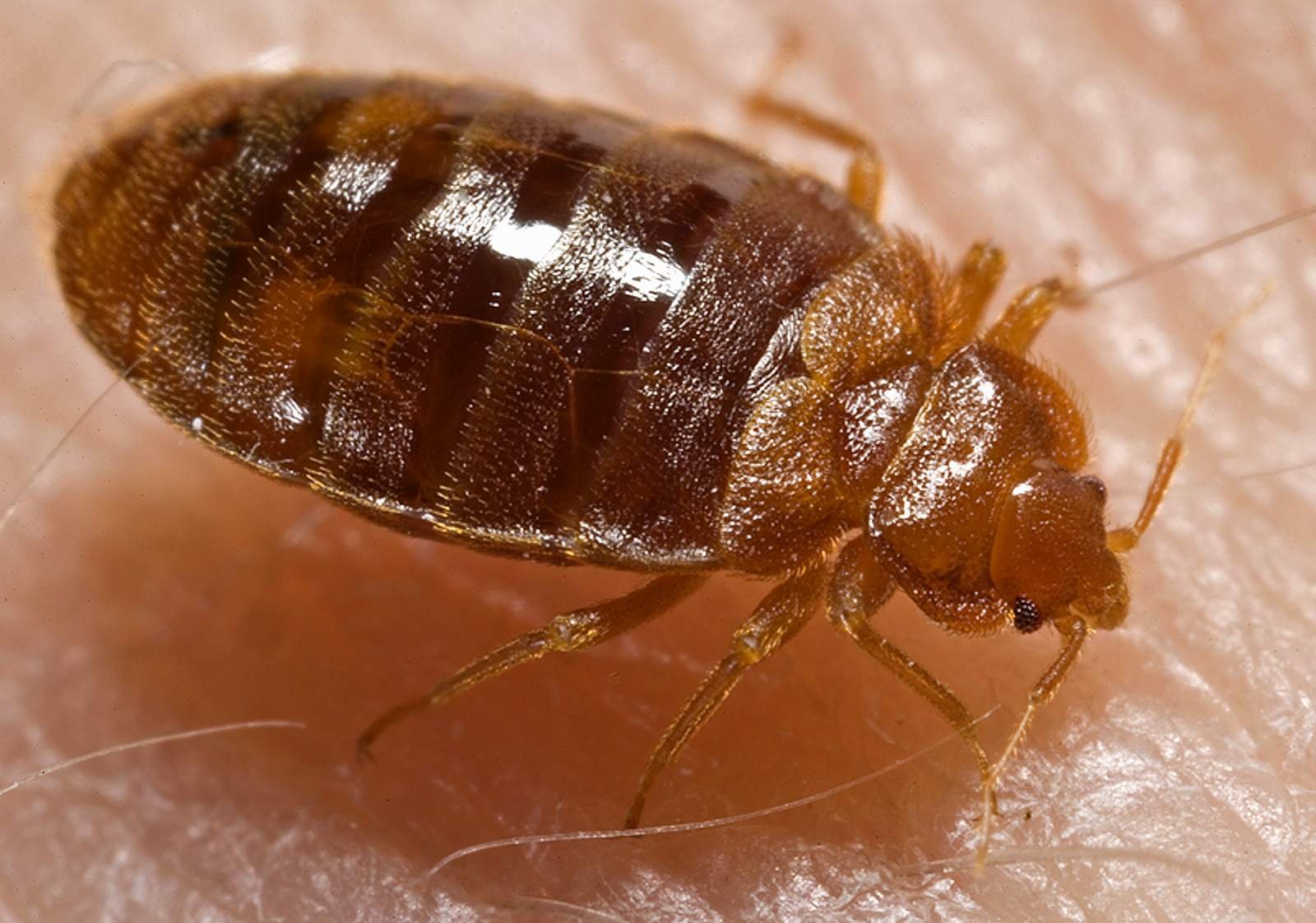
- Size: Adult bed bugs are roughly the size of an apple seed, measuring about 1/4 inch (5–7 mm) in length. A bed bug nymph (juvenile) can be as small as a pinhead (1 mm) when it first hatches.
- Shape: When unfed, their bodies are flat and broadly oval, resembling a tiny piece of flaxseed. After a blood meal, their bodies swell up, elongate, and become cylindrical.
- Color: Unfed adults are a distinct mahogany or reddish-brown color. Nymphs are translucent, pale yellow, or nearly colorless. After feeding, both adults and nymphs turn a bright, deep crimson red.
- Body Appearance: Their bodies are segmented and covered in microscopic, fine hairs that can give them a faintly banded appearance.
- Legs: They have six well-developed legs that are built for crawling across fabrics, wood, and textured walls. They cannot jump or fly.
- Antennae: They possess a pair of four-segmented antennae protruding from the front of the head, pointing forward.
- Distinctive Features: They have a small, broadly attached head with prominent compound eyes and a specialized, three-segmented beak (proboscis) folded underneath the body when they are not actively feeding.
Pictures to Include
When publishing this article, insert clear, high-contrast images at these placeholders:
- [Image Placeholder: Adult Bed Bug] – A top-down view of an unfed, flat, mahogany-colored adult bug next to an apple seed for scale.
- [Image Placeholder: Bed Bug Nymph] – Showing the progressive sizes and colors of nymphs across different developmental stages.
- [Image Placeholder: Bed Bug Eggs] – A macro shot of tiny, pearly-white, barrel-shaped eggs glued to fabric or wood.
- [Image Placeholder: Close-up of Fed vs. Unfed Bug] – Side-by-side comparison showing how the body shape changes from flat to engorged.
- [Image Placeholder: Bed Bug Bites] – Displaying a typical linear or clustered pattern of red welts on human skin.
- [Image Placeholder: Mattress Infestation] – A realistic view of live bugs, shed skins, and spots concentrated along mattress seams.
- [Image Placeholder: Fecal Spots] – Small, ink-like black dots scattered across a white bed sheet or mattress tag.
- [Image Placeholder: Shed Skins] – Translucent, amber-colored empty exoskeletons left behind on wooden slats.
Signs of a Bed Bug Infestation
You do not always have to see a live insect to confirm their presence. Keep a close eye out for these definitive signs of bed bugs:
- Dark Fecal Spots: This is often the earliest sign. Bed bug droppings look like tiny, dark brown or black ink spots (resembling a fine-tipped marker bleed) on sheets, pillows, mattresses, or walls. Unlike dirt, these spots smear slightly if wiped with a damp cloth.
- Blood Stains on Sheets: Unexplained small drops or smears of fresh blood on your bedsheets or pillowcases, caused by accidentally crushing an engorged bug during sleep.
- Shed Skins: As nymphs grow, they molt five times before reaching adulthood. They leave behind thin, translucent, amber-colored paper shells that perfectly mirror their body shape.
- Bed Bug Eggs: Tiny, elongated, pearly-white structures (about 1 mm long) that stick firmly to surfaces in dark crevices. They look like microscopic grains of white rice.
- Live Bed Bugs: Spotting the insects themselves tucked away safely inside seams, tufts, and joints of bedroom furniture.
- Bite Patterns: Developing itchy red welts, often appearing in a linear pattern or a small cluster of three or four bites—frequently referred to as “breakfast, lunch, and dinner.”
- Musty Odor: In severe infestation cases, bed bugs release alarm pheromones that produce a distinct, sweet yet musty odor, often compared to coriander, rotting raspberries, or wet shoes.
Where Are Bed Bugs Commonly Found?
Bed bugs are excellent hitchhikers and hide in tight cracks and crevices near their sleeping hosts.
Mattresses and Box Springs
Check under mattress buttons, tufts, tags, and along the piping cord of the perimeter seams. Flip the box spring over and inspect the protective plastic corner guards and the mesh dust cover underneath.
Bed Frames and Furniture
Examine wooden slats, headboard brackets, screw holes, nightstand drawers, and the seams of nearby upholstered chairs or couches.
Hotels and Apartments
Bed bugs easily travel through wall voids, electrical conduits, and shared pipe chases between adjacent apartment units or hotel rooms.
Luggage and Clothing
When people travel, bed bugs easily crawl into the seams of suitcases, backpacks, or folded piles of laundry left on hotel luggage racks or beds.
Cracks and Crevices
Look behind loose wallpaper, wall moldings, baseboards, picture frames, electrical outlets, and even inside alarm clocks or smoke detectors.
Common Look-Alikes
Many people misidentify harmless household insects as bed bugs. Use this reference table to evaluate a suspected bed bug vs carpet beetle or other common pests:
| Pest | Similarities | Differences | How to Identify Correctly |
| Bed Bug | Flat, oval, reddish-brown, wingless crawler. | Distinct horizontal segments, lacks functional wings, bites humans for blood meals. | Look for flat, apple-seed-shaped profiles and dark ink-like fecal spotting nearby. |
| Carpet Beetle | Small, oval-shaped body often found near fabrics. | Adults are hard-shelled beetles covered in patterned black, white, and yellow scales; can fly. Larvae are bristly, hairy worms. | Check for wings on adults and a patterned shell. They eat natural fibers, not blood, and do not bite. |
| Bat Bug | Nearly identical in size, shape, and reddish-brown color. | Covered in long, prominent hairs on their thorax that are longer than the width of their eyes. | Requires a microscope to separate confidently. They live in attics near bats and only bite humans if bats leave. |
| Flea | Small, brown, blood-feeding parasite. | Flattened vertically (side-to-side rather than top-to-bottom), moves exclusively by jumping long distances. | Look at the movement: if it jumps high into the air when disturbed, it is a flea, not a bed bug. |
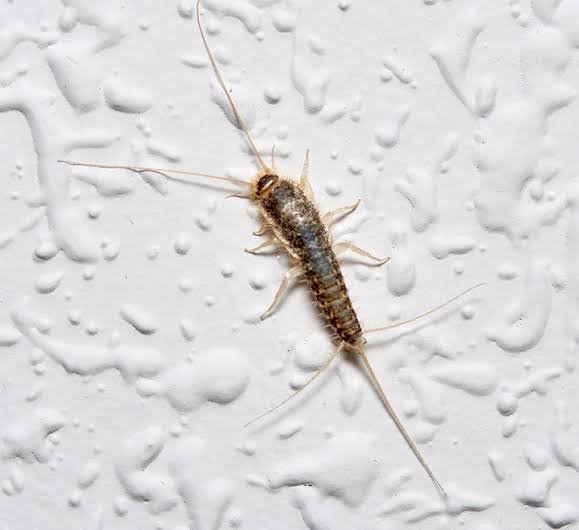
| Booklouse | Small, pale, translucent body similar to a very young nymph. | Soft-bodied with a distinct, prominent head, narrow thorax, and long antennae. | Look for quick running movements on damp books or moldy drywall; they feed on fungi, not blood. |
Life Cycle
Bed bugs undergo gradual metamorphosis, requiring a blood meal to advance through each stage of development.
[Egg] ──> [5 Nymphal Stages (Each requires a blood meal & molt)] ──> [Adult]
- Egg: A female lays 1 to 5 eggs a day, securely gluing them into hidden cracks. Eggs hatch in 6 to 10 days under warm household conditions.
- Nymph: The juvenile bed bug nymph passes through five distinct instars. They look like miniature adults but are much lighter in color and must feed on blood before they can successfully molt into the next stage.
- Adult: Once mature, bed bugs feed regularly every 3 to 7 days if a host is accessible.
- Lifespan: An adult bed bug typically lives for 4 to 6 months, though they can survive for up to a year in cooler conditions without feeding.
Are Bed Bugs Dangerous?
While bed bugs cause significant stress, understanding their true impact helps keep the situation in perspective.
- Bites: Reactions vary wildly. Some people show no physical signs at all, while others develop intensely itchy, red, swollen welts within hours or days of being bitten.
- Allergic Reactions: Severe scratching of itchy bites can break the skin surface, introducing bacteria and leading to secondary skin infections like impetigo or ecthyma. Rare, systemic allergic reactions (anaphylaxis) are possible but uncommon.
- Disease Transmission: Extensive scientific testing confirms that bed bugs do not transmit or spread infectious diseases to humans, unlike mosquitoes, ticks, or fleas.
- Mental Health Impacts: The psychological toll of an infestation is often the worst aspect. Severe anxiety, insomnia, hypervigilance, paranoia, and depression are widely documented among people dealing with active infestations.
- Pets: Bed bugs will bite domestic pets like dogs and cats if human hosts are unavailable, though they prefer human skin and cannot easily navigate thick pet fur.
What Attracts Bed Bugs?
There are many myths surrounding what brings bed bugs into a home.
- The Primary Driver: Bed bugs are attracted to human body heat, exhaled carbon dioxide ($CO_2$), and natural body odors.
- The Misconception: They are absolutely not attracted to dirt, dust, or poor hygiene. They thrive just as easily in immaculate, luxury five-star resorts as they do in cluttered environments.
- Risk Factors: Clutter does not attract bed bugs, but it provides them with endless hiding options, making detection and elimination much harder. Traveling frequently and buying secondhand mattresses, furniture, or clothing are the most common ways infestations start.
How to Confirm Identification
If you suspect bed bugs but have not found a live specimen, use these practical steps to verify your suspicions:
- Perform a Nighttime Inspection: Set an alarm for 2:00 AM to 4:00 AM (their peak activity period). Flash a bright light directly along the seams of your mattress and headboard to catch them out in the open.
- Install Interceptor Traps: Place specially designed plastic bed bug interceptor cups under every leg of your bed frame. These traps allow bugs to climb in from the floor but feature smooth interior walls that prevent them from escaping, giving you clear physical proof.
- Use the Card Trick: Run the edge of an old credit card or a stiff playing card deep along the piping seams of your mattress and the cracks of your headboard. This action dislodges hidden bugs, shed skins, or eggs onto the sheets where you can see them.
- Preserve Your Specimen: Clear tape or a sealed plastic bag works perfectly to capture an intact specimen without crushing it, making it easy to confirm later under magnification.
What to Do Next
If you confirm you have bed bugs, stay calm. Immediate, systematic action will stop them from spreading further into your home.
Immediate DIY Defense Steps
- Isolate Your Bed: Move your bed frame at least 6 inches away from all walls. Ensure no blankets, sheets, or comforters touch the floor, cutting off easy climbing paths.
- Heat Treat Your Linens: Strip all bedding, curtains, and nearby clothing. Place them directly into sealable plastic bags. Launder them on the highest heat setting, then tumble dry on high heat for at least 30 minutes. Heat kills all life stages, including bed bug eggs.
- Vacuum Safely: Use a vacuum cleaner equipped with a crevice tool to thoroughly clean mattress seams, baseboards, and furniture joints. Immediately empty the vacuum canister into a plastic trash bag, seal it tightly with a knot, and discard it in an outdoor trash bin.
When to Call a Professional
While minor, localized infestations can sometimes be tackled with meticulous DIY heat treatments and desiccant dusts (like amorphous silica gel), bed bugs are notorious for resisting standard over-the-counter bug sprays. If bed bugs have spread into multiple rooms, walls, or common living areas, or if you reside in a multi-unit apartment complex, you should hire a licensed pest control professional.
Professionals have access to advanced tools, including specialized whole-room heat equipment, professional-grade chemical combinations, and canine scent-detection units that ensure complete eradication.
Frequently Asked Questions
Can bed bugs jump or fly?
No. Bed bugs completely lack wings and are anatomically incapable of jumping. They move exclusively by crawling at a steady pace, similar to the speed of an ant.
Can you see bed bug eggs?
Yes. Although they are very small (around 1 mm), bed bug eggs are visible to the naked eye. They look like tiny, translucent-white cylinders and are usually found glued in clusters inside dark crevices.
Do bed bugs only come out at night?
No. While they prefer darkness and are most active in the early morning hours, bed bugs will alter their schedule and emerge during the day if they are hungry and their host sleeps during daylight hours.
Can bed bugs live on your body?
No. Unlike lice or ticks, bed bugs do not live or stay on human skin or hair. They crawl onto a host to feed for 3 to 10 minutes and immediately return to their nearby hiding spots.
How long can bed bugs live without feeding?
It depends heavily on temperature. At typical room temperature (around $70^\circ\text{F}$ / $21^\circ\text{C}$), an adult bed bug can survive for 2 to 3 months without a blood meal. In colder conditions, their metabolism slows down, allowing them to survive even longer.
What kills bed bugs instantly?
Direct heat above $120^\circ\text{F}$ ($49^\circ\text{C}$) kills all life stages of bed bugs instantly. Rubbing alcohol or direct contact with professional-grade sprays will also kill them on contact, but these do not provide residual control for hidden bugs.
Do bed bug bites always itch?
No. The itchiness depends entirely on an individual’s personal immune response to the anticoagulants and anesthetics found in the bed bug’s saliva. Some people have zero reaction, while others develop severe swelling and itching.
Can you get bed bugs from a clean hotel?
Yes. Bed bugs are brought into hotels by previous guests and travelers, not by poor housekeeping. A luxury hotel can experience an infestation just as easily as a budget motel.
Key Takeaways
- The Visual Identification: Adults are flat, oval, reddish-brown, and look like apple seeds. Nymphs are tiny, translucent, and turn bright red after a blood meal.
- The Key Signs: Look closely for small, black, ink-like fecal spots on mattress seams and translucent amber shed skins.
- The Hiding Habits: They stay within close proximity to beds, couches, and seating areas where humans rest for long periods.
- The Real Risk: They do not transmit diseases, but they can cause secondary skin infections from scratching and severe psychological stress.
Suggested Internal Linking Opportunities
- Link to your detailed guide on: How to Successfully Prepare Your Home for a Professional Bed Bug Treatment (Context: “…hire a licensed pest control professional.”)
- Link to an informative article: The Best Mattress Encasements to Prevent and Control Bed Bugs (Context: “…inspecting the perimeter mattress seams.”)
- Link to a diagnostic post: What is Biting Me? How to Differentiate Insect Bites (Context: “…referred to as ‘breakfast, lunch, and dinner.'”)
- Link to an article about: The Essential Travel Guide: How to Inspect Your Hotel Room for Bed Bugs (Context: “…when people travel, bed bugs easily crawl into…”)
- Link to a safe use guide: How to Safely Apply Diatomaceous Earth and Silica Gel Dusts Indoors (Context: “…meticulous DIY heat treatments and desiccant dusts…”)
External Authoritative References
- Centers for Disease Control and Prevention (CDC): Bed Bugs FAQs
- United States Environmental Protection Agency (EPA): Bed Bug Identification and Management
- Virginia Tech Department of Entomology: Bed Bug Biology and Behavior
- University of Minnesota Extension: Inspecting for Bed Bugs in Your Home
- Rutgers University Department of Entomology: Bed Bug Resource Center