Taking control of a household pest issue doesn’t always require an expensive visit from an exterminator. With the right information, tools, and strategy, DIY pest control can be incredibly effective, fast, and budget-friendly. However, walking down the pest control aisle or searching online can feel overwhelming due to the sheer volume of choices available.
Choosing the best pest control products for your home depends heavily on the specific target pest, the severity of the infestation, and whether you are treating indoor living areas or outdoor perimeters. Selecting the wrong formula can lead to wasted money or, worse, cause hidden pests to scatter deeper into your walls. This comprehensive guide breaks down the top categories of home pest control products available in 2026 to help you make an informed, safe, and effective purchase.
Types of Pest Control Products
Modern pest control relies on an “Integrated Pest Management” (IPM) approach. Different product types work through distinct mechanisms to eliminate pests.
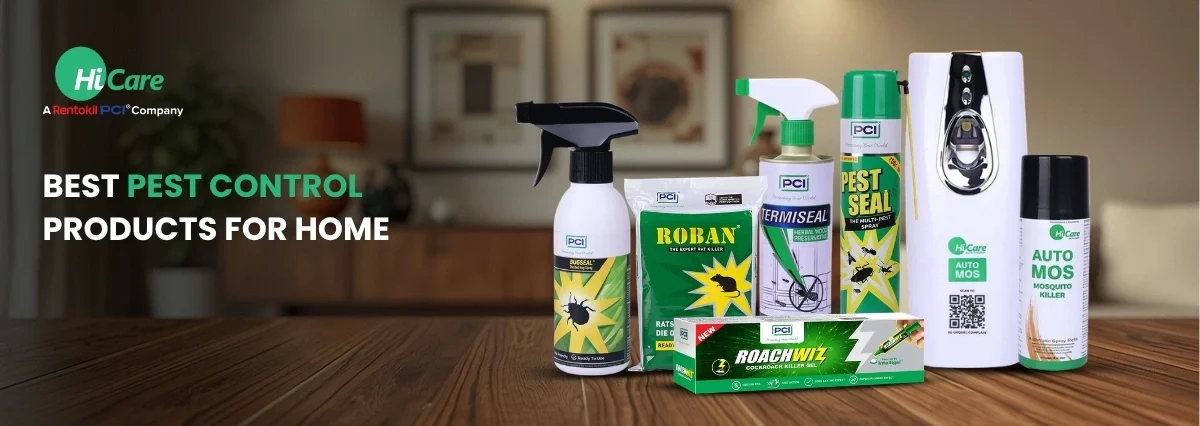
- Pest Control Sprays: Available as ready-to-use liquid triggers, aerosols, or concentrated liquids mixed in a pump sprayer. They can provide an instant contact kill or leave behind a long-lasting chemical barrier (residual spray) along baseboards and foundations.
- Pest Control Baits: Designed to mimic a highly appealing food source. Pests eat the bait and carry the slow-acting active ingredient back to the hidden nest, eliminating the entire colony rather than just the foragers you see.
- Pest Control Traps: Mechanical devices, such as snap traps, multi-catch boxes, or sticky glue boards. Traps are ideal for monitoring pest activity and capturing rodents or crawling insects without using active chemical residues.
- Gels: Highly targeted, viscous bait formulas squeezed directly into tiny cracks, crevices, hinges, and behind appliances. They are the gold standard for treating roach and ant infestations in kitchens.
- Granules: Solid, weather-resistant pellets applied using a lawn spreader to outdoor soil, mulch beds, and turf. They dissolve with rainfall or watering to create a protective exterior perimeter zone.
- Dusts: Fine powders (like boric acid or silica gel) applied using a hand duster into dry, hidden structural wall voids, electrical outlets, and plumbing chases. They remain effective for years if kept dry.
- Repellents: Formulas (often containing essential oils or synthetic chemicals) designed to drive pests away from a specific boundary rather than killing them.
- Electronic Repellents: Ultrasonic devices plugged into wall outlets that emit high-frequency sound waves intended to drive away rodents or insects. (Note: University extension studies consistently show these have very limited long-term efficacy).
- Natural Products: Eco-friendly choices utilizing plant-based essential oils, soaps, or minerals (like food-grade Diatomaceous Earth) to manage bugs safely without leaving synthetic chemical traces.
Top Recommended Pest Control Products Category Overview
To help you choose the best pest killer formats for your situation, use this category comparison table:
| Product Category | Best For | Pros | Cons | Indoor/Outdoor Use |
| Liquid Residual Sprays | Creating home perimeter barriers; treating foundation lines. | Long-lasting protection; covers large areas quickly. | Requires proper protective gear; potential chemical drift. | Both (Check label constraints) |
| Gel Baits | Indoor ants and cockroaches. | Eliminates the entire hidden nest; precise application. | Slow-acting by design; must be placed out of pet reach. | Indoor primarily |
| Mechanical Traps | Mice, rats, and monitoring crawling bugs. | Zero chemical residues; provides instant physical proof. | Requires manual emptying; limited coverage per trap. | Both |
| Insecticide Dusts | Deep wall voids, plumbing chases, electrical boxes. | Extreme longevity; will not wash away indoors. | Messy if applied heavily; airborne hazard during application. | Indoor dry voids |
| Exterior Granules | Yard turf, landscaping beds, perimeter soil. | Weather-resistant; target lawn pests before they enter. | Requires water activation; toxic to beneficial soil life. | Outdoor only |
| Natural Mineral Dusts | Eco-conscious indoor spot treatments. | Low toxicity to humans/pets; pests cannot form resistance. | Slow mechanical action; loses efficacy if it becomes damp. | Both (Dry areas) |
How to Choose the Right Pest Control Product
To maximize success and safety, evaluate these critical factors before purchasing any item:
- Target Pest: A product tailored for ants may be completely ignored by cockroaches. Correctly identify the pest first to pick a matching formulation.
- Safety Around Children and Pets: If treating open living spaces, prioritize low-toxicity natural options, highly contained tamper-resistant bait stations, or mechanical traps housed inside locked boxes.
- Ease of Use: Ensure you are comfortable with the application method. Ready-to-use triggers are perfect for beginners, while concentrates require mixing, measuring, and dedicated spray equipment.
- Active Ingredients: Look for non-repellent transfer chemicals in baits (so pests pass the poison to the colony) and long-lasting pyrethroids or natural essential oils for defensive perimeter barriers.
- Coverage Area: Check the packaging label to ensure the volume purchased matches the square footage of your yard or house perimeter.
- Effectiveness vs. Cost: Cheaper, broad-spectrum bug sprays often lack a long residual effect, meaning you will need to reapply frequently compared to premium, targeted options.
Safe Usage Tips
All pest control products—whether natural or chemical—must be treated with respect. Always follow these core safety rules:
- Read Labels Carefully: The label is federal law. It specifies exactly where the product can be applied, how much to use, and how often it can be reapplied safely.
- Wear Protective Equipment: Always wear long sleeves, long pants, closed-toe shoes, and chemical-resistant gloves when handling or mixing concentrates. Use a mask when applying airborne dusts.
- Store Products Safely: Keep all pest containers sealed in their original packaging, stored on high shelves or inside locked cabinets completely out of reach of children and pets. Never transfer pesticides into food or drink containers.
- Follow Application Instructions: Do not assume that using twice as much chemical will yield twice the results. Over-application can repel pests or cause environmental contamination.
- Keep Away from Food and Water Sources: Never apply perimeter sprays directly to kitchen countertops, food preparation utensils, open pantries, or near pet water bowls.
Natural vs. Chemical Pest Control Products
Deciding between natural and synthetic options comes down to balancing safety priorities against speed of execution.
Natural Products
Natural options leverage plant extracts (like peppermint, clove, rosemary, or thyme oil) or natural earth minerals (Diatomaceous Earth). They pose a very low toxicity risk to your family and pets. Because they degrade quickly in the environment, they leave no long-term chemical footprint. However, they typically lack strong residual power, meaning they require frequent reapplication and work slower than synthetics.
Chemical Products
Synthetic products rely on laboratory-formulated active ingredients (such as bifenthrin, fipronil, or deltamethrin). They offer exceptional knock-down speed and create a resilient chemical barrier that can protect your home for months at a time. The trade-off is their potential toxicity risk; they require precise application, strict adherence to drying times, and careful placement away from non-target wildlife, beneficial pollinators, and household pets.
Common Mistakes When Buying Pest Control Products
- Buying Repellents Instead of Baits for Social Nests: Spraying a strong-smelling repellent on a line of ants will merely cause them to reroute, while a slow-acting bait would destroy the hidden queen.
- Over-Applying Dusts: Applying thick, visible drifts of insecticidal dust backfires. Insects will avoid the pile completely. Dusts should be applied as a micro-thin, nearly invisible layer.
- Using Outdoor Products Indoors: Outdoor formulas often have higher chemical concentrations or vapor emission levels designed to dissipate safely in open air. Using them indoors can create toxic air quality inside your home.
- Relying on Ultrasonic Electronic Plugs: Many consumers spend money on electronic plug-ins expecting a clean solution, despite extensive independent research showing these devices fail to deter common household pests.
When DIY Products Aren’t Enough
While over-the-counter tools are highly capable, certain pest scenarios require professional intervention. Consider hiring a licensed professional if:
- You are dealing with wood-destroying organisms like termites or powderpost beetles, which require specialized injection tools.
- The infestation has spread deeply into structural wall voids, multi-family apartment vents, or complex crawl spaces.
- You are dealing with highly resistant, elusive pests like bed bugs across multiple rooms.
- Your monitoring traps continue to catch high numbers of pests after several weeks of consistent DIY treatment.
Frequently Asked Questions
What is the difference between a contact spray and a residual spray?
A contact spray is designed to kill a target insect immediately upon direct contact but leaves little to no protective power once it dries. A residual spray creates an invisible chemical film on surfaces that remains lethal to any insects walking over it for weeks or months.
How long should pets stay away after spraying pest control products?
As a general rule, children and pets should remain completely out of the treated area until the liquid spray has dried completely (typically 2 to 4 hours). Check your specific product label for explicit safety windows.
Why are ants or roaches ignoring the bait I bought?
Pests change their nutritional requirements based on their breeding cycles. If ants are seeking protein and your bait is sugar-based, they will ignore it. Additionally, if you sprayed chemical repellents near the bait, you may have contaminated it, causing pests to avoid the area.
Can I mix different pest control sprays together to make them stronger?
No. Never mix different pesticide brands or chemical concentrates together. Doing so can cause dangerous chemical chemical reactions, neutralize the active ingredients, or create highly toxic fumes.
Do natural pest control products actually work?
Yes, natural products containing concentrated essential oils or mineral dusts are highly effective at killing bugs on contact and deterring entry. However, they break down quickly when exposed to sunlight and air, requiring more frequent application than synthetic alternatives.
What is the best pest control product for a home with crawling babies?
Mechanical traps placed out of reach, tamper-resistant bait stations secured behind large appliances, and food-grade Diatomaceous Earth applied deep inside sealed wall voids are the safest options for homes with crawling children.
How do exterior pest granules work?
Exterior granules dissolve slowly when exposed to irrigation or rainfall. The active ingredient binds to the soil and thatch layer, creating a continuous protective chemical band that stops crawling yard pests before they cross your foundation line.
Can pest control products expire?
Yes. Most liquid pesticides and concentrates have a shelf life of roughly 2 to 3 years from the date of manufacture if stored in a cool, dark, dry location. Granules and dusts can last longer, provided they are kept completely free of moisture.
Key Takeaways
- Identify Before You Buy: Never buy a generic product without verifying the exact pest species you are targeting.
- Baits Clear Nests, Sprays Create Barriers: Use slow-acting baits to destroy social colonies inside, and use residual sprays outside to block entry points.
- The Label is Law: Always read, understand, and adhere strictly to the dilution, application, and safety instructions on the packaging.
- Keep It Dry: Ensure dusts and powders are restricted to completely dry interior cavities to maximize their multi-year efficacy.
Suggested Internal Linking Opportunities
- Link to your comprehensive guide on: How to Prevent Household Pests: A Complete Homeowner’s Guide (Context: “…the most effective pest management strategy is proactive…”)
- Link to your target article: How to Prevent Cockroaches in Your Home: A Complete Prevention Guide (Context: “…gels are the gold standard for treating roach and ant infestations…”)
- Link to a diagnostic post: Termite Identification Guide: How to Identify Termites (Context: “…wood-destroying organisms like termites require specialized tools…”)
- Link to an information post: Bed Bug Identification Guide: How to Identify Bed Bugs (Context: “…highly resistant, elusive pests like bed bugs across multiple rooms…”)
External Authoritative References
- United States Environmental Protection Agency (EPA): Citizen’s Guide to Pest Control and Pesticide Safety
- National Pesticide Information Center (NPIC): Choosing a Pest Control Product
- University of California Statewide Integrated Pest Management Program (UC IPM): Home and Landscape Pest Solutions
- Clemson University Cooperative Extension: Understanding Pesticide Labels
- Colorado State University Extension: Insect Control: Horticultural Oils and Essential Oils