Managing bugs and rodents does not always require calling an expensive exterminator. For many common household issues, taking a do it yourself pest control approach is highly effective, empowering you to eliminate active infestations and fortify your living space at a fraction of the cost.
However, successful home pest control requires more than just spraying chemical aerosols blindly. It demands a systematic approach rooted in pest biology, proper tool usage, and strict safety protocols. This comprehensive pest treatment guide breaks down everything a beginner needs to know to safely execute pest control at home.
What Is DIY Pest Control?
Definition
DIY pest control is the practice of inspecting, identifying, treating, and preventing structural pest infestations on your own property using commercially available tools, baits, and structural exclusion techniques.
Benefits
The most obvious benefit is cost savings; handling minor pest issues yourself eliminates the high labor fees charged by commercial companies. It also gives you total control over exactly what products are used in your living spaces, allowing you to prioritize low-toxicity or green solutions around your family and pets.
Limitations
DIY methods require a real investment of your personal time and physical labor. Furthermore, over-the-counter products are occasionally less concentrated than commercial-grade options, meaning they require precise placement and absolute consistency to successfully wipe out a hidden colony.
Common Household Pests You Can Treat Yourself
Many common invaders can be managed completely on your own if caught early. This matrix outlines the difficulty level and best practices for common targets:
| Pest | DIY Difficulty | Recommended Treatment | When to Call a Professional |
| Ants | Low to Moderate | Slow-acting sugar or protein gel baits; sealing entry cracks. | If lines persist for weeks, indicating a massive, hidden sub-slab nest. |
| Cockroaches | Moderate | High-quality gel baits placed in hinges; sticky monitoring traps. | If you see heavy German roach populations crawling during daylight hours. |
| Flies | Low | Eliminating organic breeding material; using fly ribbon or UV traps. | If there is an untraceable source of persistent, structural drain flies. |
| Mosquitoes | Low to Moderate | Emptying standing water; applying microbial larvicides (Bti) to ponds. | If local public health agencies issue warnings for widespread viral outbreaks. |
| Spiders | Low | De-webbing corners; clearing clutter; using perimeter sticky traps. | If you find significant infestations of dangerous species like Brown Recluses. |
| Silverfish | Low | Dehumidifying basements; applying thin layers of dry borate dusts. | If widespread damage is found inside historic or valuable book collections. |
| Fleas (Minor) | Moderate | Washing pet bedding; vacuuming floors daily; using IGR carpet sprays. | If an untreated home suffers a severe flea outbreak throughout all rooms. |
Essential DIY Pest Control Tools
To achieve professional-grade results, a beginner pest control toolkit should include the following structural and monitoring supplies:
- Sticky Traps: Non-chemical glue boards placed along baseboard pathways to catch stray insects and track their traffic patterns.
- Bait Stations: Hard plastic, tamper-resistant enclosures that securely hold solid or liquid baits away from children and curious pets.
- Gel Baits: Syringe-delivered food pastes designed to transfer slow-acting active ingredients through an entire nesting colony.
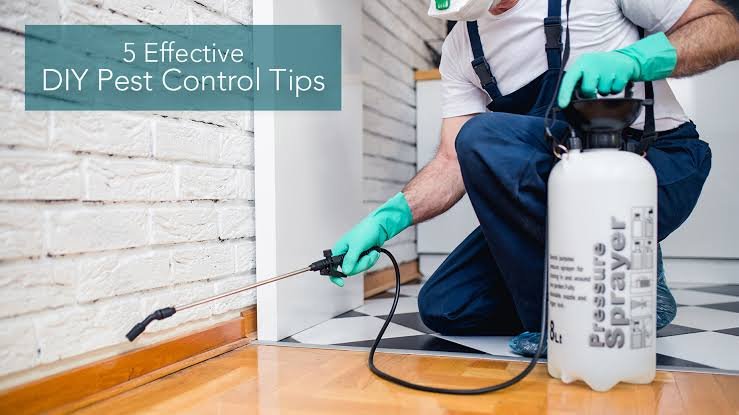
- Handheld Sprayers: A heavy-duty, 1-gallon compression pump sprayer used to apply precise perimeter liquid barriers evenly.
- Chemical-Resistant Gloves: Heavy nitrile gloves used to keep concentrated liquids and baits completely off your skin during mixing and application.
- High-Powered Flashlight: A bright LED flashlight used to inspect dark wall voids, cabinet gaps, and crawl space corners.
- Caulking Supplies: Premium silicone caulk and a caulking gun used to physically seal up structural cracks and exterior entry vectors.
- Vacuum Cleaner: A vacuum equipped with a HEPA filter to instantly remove physical pests, shed skins, and hidden insect egg cases from carpets and furniture seams.
Step-by-Step DIY Pest Control Process
Successful DIY pest removal relies on executing these six logical steps in order:
- 1. Identify the Pest: Never guess. Examine the body shape, antennae, and physical signs of damage closely. Knowing whether you are dealing with a moisture-loving pest or a structural wood-destroying insect dictates the exact treatment strategy you will need to use.
- 2. Inspect the Affected Area: Grab your flashlight and search dark, quiet harborages. Look closely under kitchen sinks, behind heavy laundry appliances, inside pantry corners, and along your home’s exterior foundation line to find exactly where the pests live and travel.
- 3. Remove Food and Water Sources: Clean up your environment before using treatments. Wipe away kitchen grease, store dry pantry staples inside airtight plastic bins, sweep up floor crumbs, and fix dripping pipes underneath sinks to ensure pests are forced to eat your bait.
- 4. Apply the Appropriate Treatment: Deploy your chosen solution precisely according to its product label guidelines. Use syringe gel baits in tiny dots inside tight cabinet hinges, place bait stations along walls, or spray non-repellent liquid barriers along foundation lines.
- 5. Monitor Results: Place clean sticky traps along baseboards to track your progress. Check them weekly to see if the pest population is shrinking, which helps you verify that your chosen treatment is working effectively.
- 6. Prevent Reinfestation: Keep pests out permanently by fixing your property’s exterior. Fill foundation gaps with silicone caulk, install tight-fitting door sweeps, and keep tree limbs and bushes trimmed back at least 12 inches away from your siding.
Safety Tips When Using Pest Control Products
All pest control products demand respect and proper handling to protect your family and home environment.
- Read Product Labels Thoroughly: The label is the law. It contains specific mandatory application guidelines, exact mixing concentrations, and vital first-aid instructions.
- Wear Personal Protective Equipment (PPE): Always protect yourself by wearing long-sleeved shirts, long pants, safety goggles, and chemical-resistant gloves whenever you mix liquid concentrates or handle baits.
- Keep Children and Pets Away: Keep family members and pets completely out of the treatment area until applied liquid sprays have dried entirely (typically 1 to 2 hours).
- Store Products Safely: Keep all chemical bottles, dusts, and baits inside their original labeled containers. Store them on a high shelf or inside a locked cabinet that stays cool, dry, and completely out of reach.
- Dispose of Containers Properly: Never pour leftover liquid chemicals down your indoor sinks, toilets, or outdoor storm drains. Check your local community guidelines for instructions on how to safely dispose of empty pesticide containers.
Common DIY Pest Control Mistakes
- Over-Applying Chemical Sprays: Drenching your baseboards in excessive liquid spray does not kill bugs faster. Instead, it creates unsafe puddles and can cause social insects to scatter deeper into your walls.
- Using Repellent Sprays Near Baits: Spraying a standard over-the-counter repellent aerosol over your fresh gel baits ruins the treatment. The strong chemical smell repels pests, causing them to completely avoid eating the bait.
- Piling Insecticide Powders Too Thickly: Pouring thick, visible lines of boric acid or diatomaceous earth backfires. Pests are highly sensitive and will simply walk around a thick pile of white powder; apply dusts in a micro-thin layer that is barely visible to the eye.
When DIY Methods Are Not Enough
While a DIY approach works well for localized or early-stage pest issues, some situations require hiring a professional.
If you encounter extensive subterranean mud tubes or structural wood damage from termites, have active bed bug infestations spread across multiple bedrooms, or find wild animals nesting inside your attic insulation, seek professional help immediately.
Professional pest management companies possess specialized heavy-duty injection gear, thermal remediation systems, and industrial safety equipment required to eliminate complex, deeply embedded structural threats safely and comprehensively.
Frequently Asked Questions
Is DIY pest control as effective as professional treatment?
Yes, for minor to moderate infestations of ants, roaches, spiders, and crickets, a disciplined DIY approach can be just as effective as hiring a professional service, provided you use high-quality products and follow the instructions correctly.
What is the safest natural pest control method?
Physical exclusion (using caulk and door sweeps to seal entryways) and strict indoor sanitation are the safest, most effective natural pest control methods available, as they introduce zero toxins into your living environment.
Why are pests ignoring the gel bait I put down?
If pests ignore your bait, it may have dried out and turned hard, or it may have been contaminated by nearby chemical sprays or household cleaners. Additionally, if alternative food sources like open kitchen grease or crumbs are easily available, they will choose those over the bait.
Can I mix different pest control chemicals together?
No. Never mix different chemical concentrates together unless the product labels explicitly instruct you to do so. Mixing chemicals can cause dangerous chemical reactions, release toxic fumes, or cancel out the effectiveness of the individual products.
How often should I spray around the outside of my house?
Exterior perimeter liquid barriers typically break down from exposure to sunlight and rainfall within 30 to 60 days. For consistent protection, reapply your exterior barrier spray once every two to three months during the active spring and summer seasons.
Where should I place sticky traps to catch bugs?
Place sticky traps flat against walls, behind heavy appliances, inside dark pantries, and right next to exterior doorways. Crawling pests naturally travel along baseboards and structural lines rather than walking across the middle of an open floor.
Does vinegar kill household pests?
Vinegar does not kill insects on contact like a traditional pesticide. However, it serves as an excellent cleaning tool that naturally strips away the invisible chemical scent trails left behind by foraging ants, confusing the colony and disrupting their travel patterns.
Is diatomaceous earth safe to use inside cupboards?
Yes, provided you choose food-grade Diatomaceous Earth and apply it safely. Use a dedicated bulb duster to apply it as a micro-thin, nearly invisible layer deep inside cracks and corners where it cannot be easily disturbed or blown into the air.
How do I stop mice from chewing through my caulk?
Mice can easily chew through standard silicone caulk. To block them permanently, pack foundation gaps and pipe openings tightly with stainless steel wool or copper mesh before layering your caulk over the top.
Should I treat my house for pests if I don’t see any bugs?
Applying a light exterior perimeter spray and doing seasonal structural maintenance are excellent preventative habits. However, you should avoid spraying chemical products inside your living spaces unless you identify an active indoor pest problem.
Key Takeaways
- Sanitation First: Always remove competing food, water, and shelter sources before deploying baits or sprays.
- Invest in Quality Gear: Build a solid starter kit with a high-powered flashlight, non-chemical sticky traps, premium silicone caulk, and a pump sprayer.
- Follow the Label: Protect your family and pets by sticking strictly to the mixing and placement instructions on the product label.
- Target the Entire Colony: Choose slow-acting baits over quick-kill contact sprays to ensure foraging insects track the treatment back to their hidden nests.
Suggested Internal Linking Opportunities
- Link to your primary cockroach article: Best Cockroach Killers: Top Products for Fast and Effective Roach Control (Context: “…such as high-quality gel baits placed in hinges; sticky monitoring…”)
- Link to your core structural Post: Best Termite Treatments: Effective Products to Protect Your Home (Context: “…if you encounter extensive subterranean mud tubes or structural wood damage…”)
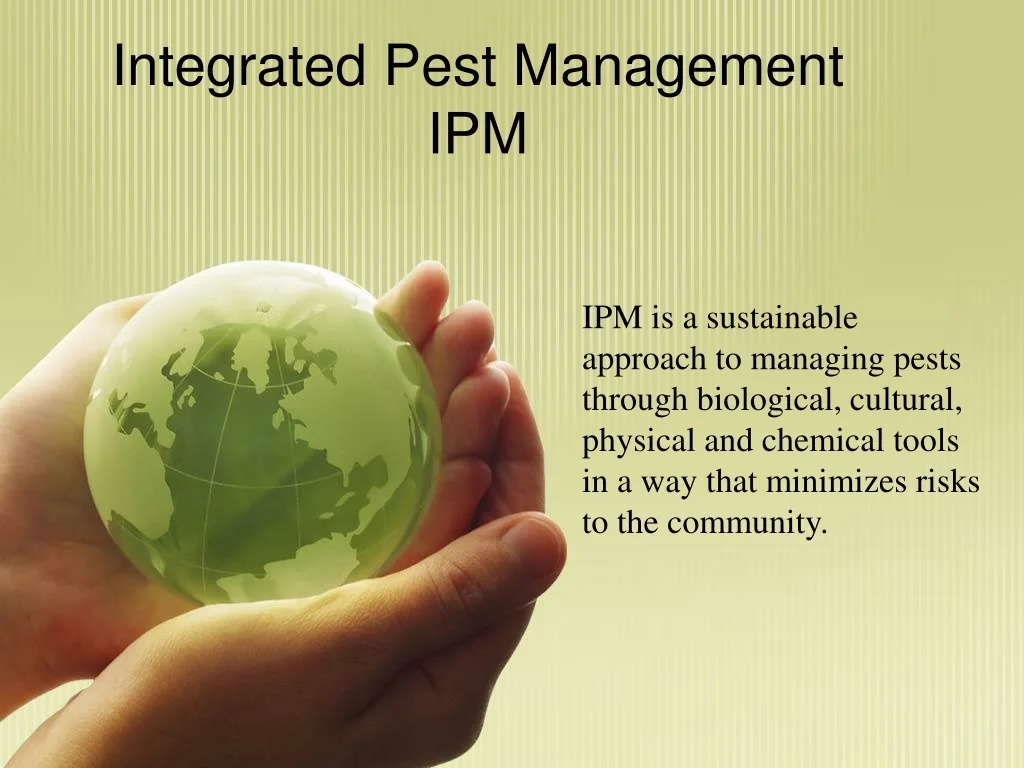
- Link to your general framework guide: Integrated Pest Management (IPM): The Complete Beginner’s Guide (Context: “…successful home pest control requires more than just spraying chemical aerosols blindly…”)
- Link to your master consumer post: Best Pest Control Products for Home Use (2026 Buyer’s Guide) (Context: “…empowering you to eliminate active infestations and fortify your living space…”)
External Authoritative References
- United States Environmental Protection Agency (EPA): Controlling Pests Safely at Home
- Centers for Disease Control and Prevention (CDC): Safe Use and Storage of Pesticides
- National Pesticide Information Center (NPIC): Choosing and Using Pesticides Safely
- University of California Statewide Integrated Pest Management Program: Household Pest Solutions
- Ohio State University Extension: Quick Guide to Safe Household Pest Management