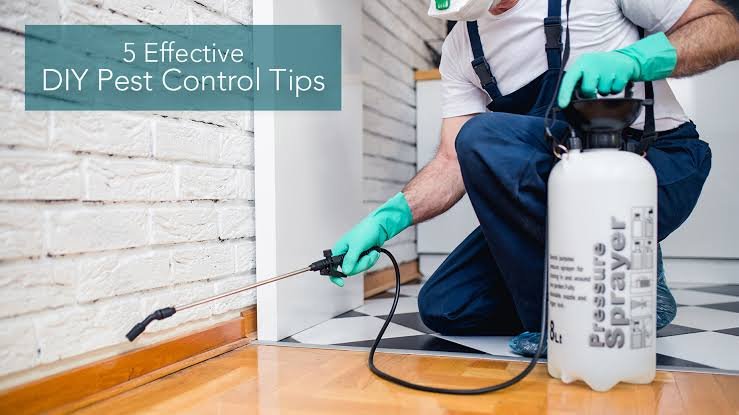
When most people discover bugs or rodents in their homes, their first instinct is to reach for a heavy-duty chemical spray. However, blasting an area with synthetic chemicals often provides only temporary relief. If you do not change the environmental factors that attracted the pests in the first place, the survivors will simply return, often breeding a population that is increasingly resistant to standard pesticides.
Integrated Pest Management offers a smarter, highly effective alternative. Rather than trying to erase pests through chemical warfare alone, this modern approach focuses on understanding pest biology to fix the root causes of an infestation. It is a long-term, eco-friendly pest control framework designed to keep your home safe while minimizing risks to your family, pets, and the local ecosystem.
What Is Integrated Pest Management?
Definition
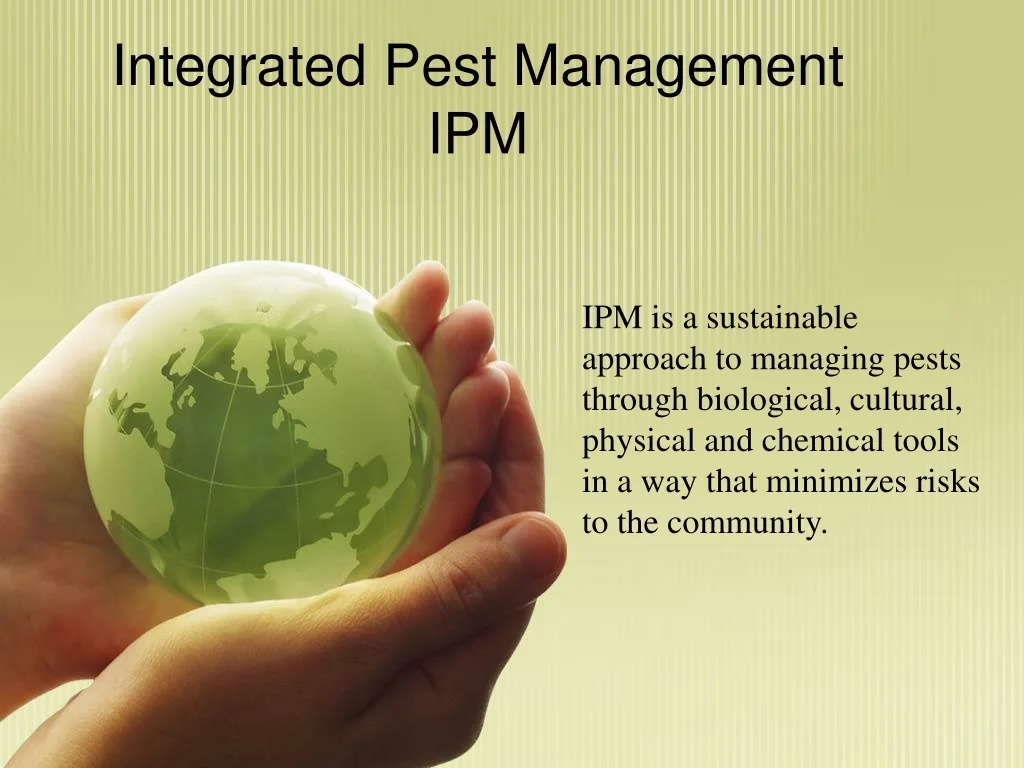
Integrated Pest Management (IPM) is an ecosystem-based, science-driven strategy that focuses on long-term prevention of pests and their damage through a combination of techniques such as biological control, habitat manipulation, modification of cultural practices, and the use of resistant varieties.
History
The roots of the integrated pest management guide date back to the mid-20th century. Following the widespread overuse of synthetic chemicals like DDT in agriculture during the 1940s and 1950s, scientists noticed that pests were quickly developing immunity, while beneficial predatory insects were being wiped out. By the 1960s and 1970s, entomologists formalized IPM to blend ecology with practical control methods, creating a balanced, sustainable pest control system that transitioned from farms into urban environments.
Core Principles
IPM operates on a simple premise: Pests require food, water, and shelter to survive. By modifying the indoor and outdoor environments to deny them these three essentials, you can naturally collapse pest populations without depending solely on chemical sprays.
Benefits
Unlike conventional pest control, which reacts only after an infestation breaks out, IPM works proactively. It emphasizes structural repair, sanitation, and physical exclusion, delivering permanent pest relief while lowering chemical exposure levels throughout your property.
The 5 Steps of Integrated Pest Management
Executing a successful home pest management program requires following a strict, procedural hierarchy. Misordering these steps or skipping to chemicals prematurely often causes the program to fail.
1.Inspection and Monitoring:Ongoing Foundation.
Regularly search hidden dark corners, plumbing entry points, crawl spaces, and baseboards for signs of activity. Use non-chemical sticky traps as monitoring tools to track where pests travel and assess the actual size of the population.
2.Correct Pest Identification:Biological Mapping.
You cannot manage a pest effectively until you know its exact species. For example, treating sugar-seeking ants requires completely different baits and strategies than treating wood-destroying carpenter ants. Accurate identification reveals the target’s exact breeding habits, food preferences, and hiding zones.
3.Setting Action Thresholds:Economic or Health Limits.
In an IPM framework, seeing a single pest does not automatically mean you need to spray chemicals. An action threshold is the specific point at which a pest population becomes a health hazard, a structural threat, or an intolerable nuisance. For example, the threshold for a single bed bug or termite is immediate action, whereas a few stray outdoor ants on a porch may require only observation or simple cleanup.
4.Prevention Methods:Structural Defenses.
Fortify your home against future invasions. Seal structural gaps with premium silicone caulk and steel wool, install tight-fitting door sweeps, fix plumbing leaks to deny pests water, and store food staples inside thick, airtight plastic or glass storage bins.
5.Control and Evaluation:Targeted Action & Follow-Up.
If prevention and thresholds dictate active removal, use highly targeted, low-toxicity tactics first, such as mechanical traps or slow-acting gel baits. After taking action, continue to monitor the area using sticky traps to evaluate your progress and adjust your tactics if pests persist.
Types of Pest Control Used in IPM
IPM coordinates multiple pest management strategies grouped into five main tactical categories:
- Cultural Control: Changing human habits to make the environment unappealing to pests. Examples include washing dishes immediately after meals, sweeping floor crumbs, taking out the trash nightly, and avoiding leaving filled pet food bowls out overnight.
- Physical Control: Modifying the home’s structure to block entry. This involves installing window screens, adding heavy-duty door sweeps, repairing concrete foundation cracks, and sealing utility line penetrations with expanding foam.
- Mechanical Control: Using physical tools to capture or eliminate pests directly. This includes using spring-loaded snap traps for rodents, utilizing non-chemical fly paper, and running a vacuum cleaner to pull fleas, bed bugs, and eggs directly out of carpets.
- Biological Control: Utilizing natural enemies to suppress pest populations. Outdoors, this can involve introducing beneficial parasitic nematodes to destroy grubs in your lawn, or protecting native predators like ladybugs, green lacewings, and garden spiders that eat plant-destroying insects.
- Chemical Control: Used as a highly controlled last resort in IPM. Instead of broad chemical spraying, chemicals are used selectively in targeted formats like contained bait stations, precision gel baits, or mineral dusts placed deep inside wall voids.
Benefits of Integrated Pest Management
- Reduced Pesticide Use: By relying heavily on physical exclusion and sanitation, IPM drastically lowers the volume of synthetic chemicals introduced into your living spaces.
- Long-Term Pest Prevention: Conventional sprays only kill individual insects on contact. IPM addresses structural flaws and entry vectors, ensuring pests are blocked from returning.
- Lower Environmental Impact: Selective chemical application prevents toxic runoff from washing into local storm drains, protecting local waterways, beneficial pollinators, and local wildlife.
- Improved Safety for People and Pets: Placing baits inside enclosed voids and using mechanical traps reduces the risk of accidental pesticide exposure or inhalation by children and household pets.
- Cost-Effectiveness: Although sealing a home requires an upfront investment in time and maintenance supplies, it eliminates the need to pay for recurring monthly or quarterly chemical spraying treatments.
Common Household Pests Managed with IPM
The following matrix highlights how typical structural invaders are systematically managed using an IPM framework, illustrating when targeted chemical additions are justified:
| Pest | Recommended IPM Methods | When Chemical Treatment May Be Needed |
| Cockroaches | Repair pipe condensation; seal cabinet joints; deploy sticky monitoring traps; keep food in airtight bins. | When monitoring traps catch a high volume of nymphs, requiring targeted fipronil gel baits or wall void dusts. |
| Ants | Trim back foliage touching the house; clean up grease spills; seal entry cracks with silicone caulk. | When indoor foraging lines persist, requiring slow-acting non-repellent liquid or borate gel baits to target the queen. |
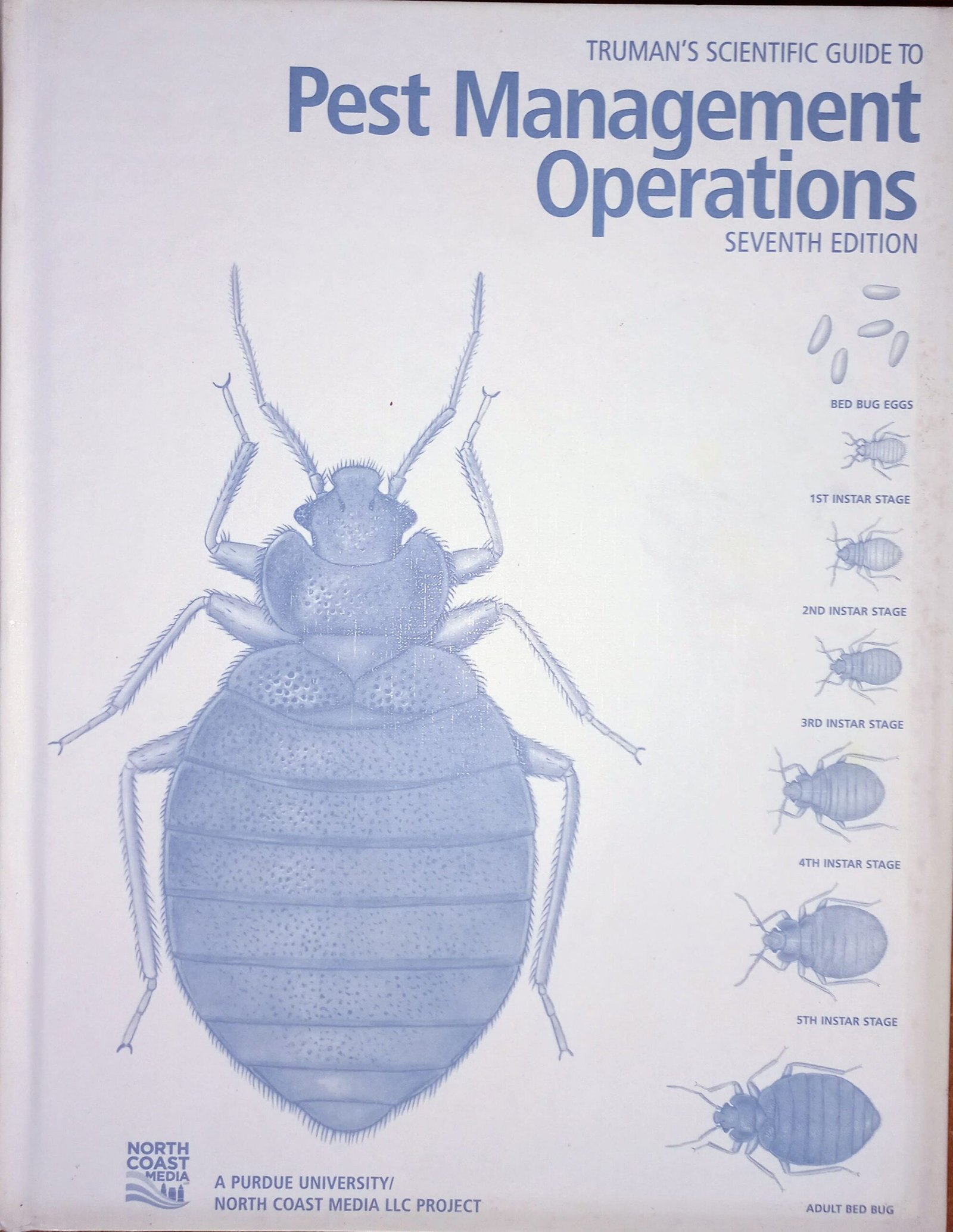
| Bed Bugs | Encasing mattresses; vacuuming seams daily; washing bedding at 140°F; steam-treating baseboard channels. | For heavy, deeply embedded structural infestations that require specialized insect growth regulators (IGRs). |
| Termites | Directing downspouts away from foundations; removing buried scrap wood; keeping mulch 12 inches away from walls. | If active wood-boring galleries or subterranean mud tubes are found, requiring localized foam or perimeter soil barriers. |
| Rodents | Stuffing gaps with steel wool; keeping grass mowed short; placing mechanical snap traps along baseboard paths. | Rarely needed; toxic rodenticides should be avoided indoors due to secondary poisoning risks to pets and wildlife. |
| Mosquitoes | Dumping standing water in flower pots every 3 days; cleaning clogged gutters; installing 16-mesh window screens. | When local health agencies warn of West Nile or Zika viruses, requiring targeted microbial larvicides (Bti) in standing water. |
| Flies | Securing tight-fitting lids on trash cans; clearing drain slime; installing mechanical UV light traps. | For acute commercial or agricultural outbreaks, using localized contact sprays on exterior garbage collection surfaces. |
Common IPM Mistakes to Avoid
- Treating Without Identification: Buying an over-the-counter insecticide spray without knowing your target pest species often leads to using the wrong active ingredient, which can cause pests to scatter and worsen the infestation.
- Abandoning Sanitation When Baiting: Gels and baits work only if they are the most appealing food source available. If you leave grease on the stove or crumbs on the floor, pests will ignore the bait entirely.
- Expecting Instant Chemical Results: Because IPM uses slow-acting baits designed to be carried back to hidden nesting colonies, it takes time to work. Do not panic and spray contact chemicals over your baits if you still see a few bugs after three days.
- Applying Pesticides as a First Step: Skipping directly to chemical application without fixing underlying moisture leaks or sealing foundation entry holes ensures the infestation will eventually return.
DIY IPM Plan for Homeowners
You can easily launch a highly effective pest prevention and management plan on your property by adopting this simple seasonal schedule:
[SPRING/SUMMER]
🔍 Inspect exterior foundation lines for new cracks.
✂️ Trim back tree branches and bushes 12 inches from siding.
🗑️ Deep clean kitchen appliances to clear hidden grease buildup.
📊 Deploy sticky monitoring traps in basements and crawl spaces.

[AUTUMN/WINTER]
🚪 Check and replace worn door sweeps and window weatherstripping.
🍂 Clear dead leaves and organic debris away from the foundation.
📦 Move garage and pantry storage items into heavy plastic bins.
💧 Inspect under-sink plumbing lines for leaks or winter condensation.
When to Hire a Professional
While small ant trails or occasional foraging roaches are easily managed using DIY IPM tactics, certain situations demand the expertise of a licensed professional.
If your monitoring traps continue to catch high numbers of pests after a month of consistent sanitation and exclusion work, you may be dealing with a deeply embedded infestation. Widespread structural wood damage from termites, active indoor bed bug infestations, or rodent populations nesting inside attic insulation are complex challenges that require professional tools.
When interviewing local pest management companies, explicitly ask if they practice Integrated Pest Management. A quality IPM technician will always prioritize performing a thorough physical inspection and identifying entry vectors over simply spraying chemicals along your baseboards.
Frequently Asked Questions
Is Integrated Pest Management entirely pesticide-free?
No. IPM is not strictly organic or pesticide-free. It views chemical treatments as a highly targeted last resort, opting for low-toxicity options like gel baits or borate dusts only when non-chemical methods cannot contain the pest population.
How does IPM save money in the long run?
IPM addresses structural flaws and entry vectors directly, preventing pests from returning. This eliminates the ongoing cost of hiring regular, recurring chemical spraying services.
Can renters practice IPM in apartment buildings?
Yes. Renters can practice excellent cultural control by sealing food in airtight bins, keeping kitchens clean, and reporting plumbing leaks immediately. They can also use non-chemical sticky traps to document pest activity for property management.
Why are sticky traps so important in an IPM plan?
Sticky traps serve as non-chemical monitoring tools. They show you exactly which pests are present, track their travel patterns, and tell you whether your control efforts are working over time.
Does IPM take longer to work than traditional spraying?
Yes, IPM can take longer to show initial results because slow-acting baits and structural modifications take time to implement and clear colonies. However, it provides much longer-lasting protection than quick-fix contact sprays.
What are insect growth regulators (IGRs), and are they used in IPM?
IGRs are synthetic hormones that disrupt the lifecycle of juvenile pests, preventing them from maturing into breeding adults. They are highly valued in IPM because they target specific pest biology and have low toxicity for humans and pets.
How do I set an action threshold for my home?
Your action threshold depends on the specific pest and your household dynamics. For example, a single termite or bed bug warrants immediate action, whereas a few fruit flies near a trash can may require only a thorough cleaning.
Can I use essential oils as part of an IPM strategy?
Yes. Highly concentrated plant oils (like peppermint or rosemary) serve as excellent short-term, low-toxicity repellents to keep pests away from clean windowsills and doors. However, they should not be used near active bait stations, as they can repel pests from the bait.
Why should I avoid using loose pesticide powders openly?
Loose chemical powders can easily be kicked up into the air, creating an inhalation hazard for children and pets. Dusts should only be applied in ultra-thin layers inside enclosed wall voids or deep behind heavy appliances.
How does proper landscaping fit into a home IPM plan?
Keeping your grass cut short removes cover for rodents, while trimming tree branches away from your roof line blocks pests like ants and squirrels from using them as bridges to enter your home.
Key Takeaways
- Target the Root Cause: Focus on removing food, water, and entry points rather than just killing individual bugs on contact.
- Identify Before Treating: Always perform accurate pest identification to avoid wasting time and money on the wrong control products.
- Use Chemicals Responsibly: Treat pesticides as a targeted last resort, favoring enclosed baits and wall void dusts over broad-spectrum sprays.
- Maintain and Monitor: Use seasonal sanitation checks and sticky traps to catch developing pest populations early before they become severe infestations.
Suggested Internal Linking Opportunities
- Link to your primary cockroach article: Best Cockroach Killers: Top Products for Fast and Effective Roach Control (Context: “…such as contained bait stations, precision gel baits…”)
- Link to your structural termite guide: Best Termite Treatments: Effective Products to Protect Your Home (Context: “…if active wood-boring galleries or subterranean mud tubes are found…”)
- Link to your core preventative post: How to Prevent Cockroaches in Your Home: A Complete Prevention Guide (Context: “…deep clean kitchen appliances to clear hidden grease buildup…”)
- Link to your general equipment resource: Best Pest Control Products for Home Use (2026 Buyer’s Guide) (Context: “…buying an over-the-counter insecticide spray without knowing your target…”)
External Authoritative References
- United States Environmental Protection Agency (EPA): Introduction to Integrated Pest Management
- United States Department of Agriculture (USDA): National Roadmap for Integrated Pest Management
- University of California Statewide Integrated Pest Management Program (UC IPM): What is IPM?
- Penn State Extension: Integrated Pest Management for Homeowners
- National Pesticide Information Center (NPIC): Understanding Integrated Pest Management Principles