Discovering an active infestation inside your property is stressful, but discovering the structural havoc left in its wake is a different kind of nightmare. Many cryptic pests can thrive silently inside walls, foundations, or floorboards for months before you ever glimpse a live insect or rodent. By the time a homeowner notices a stray bug, significant destruction may already be underwritten behind the scenes.
Learning how to spot early signs of pest damage is a fundamental skill for home protection. Recognizing the warnings can dramatically lower your structural repair bills, minimize environmental health hazards, and stop localized breeding networks from escalating into unmanageable structural emergencies. This comprehensive guide details the exact indicators of home pest damage and how to catch them early.
What Is Pest Damage?
Definition
Pest damage refers to any physical deterioration, destruction, or contamination of structural building materials, mechanical systems, personal belongings, or landscapes caused by the nesting, foraging, feeding, or tunneling behaviors of destructive organisms.
Common Causes
The primary drivers of property destruction are the biological needs of invaders. Pests destroy materials either to feed directly on cellulose (like termites), to gather soft nesting bedding (like mice), or to wear down their continuously growing teeth through mechanical gnawing (like rats).
Why Early Detection Matters
Structural wood beams, plumbing lines, and electrical conduits are expensive to replace once structurally compromised. Catching a localized target early allows you to use precise, affordable DIY pest control tools instead of paying thousands of dollars for full structural remediation or commercial reconstruction.
Common Types of Pest Damage
When evaluating a piece of property, destruction usually falls into several clear, distinct categories:
- Structural Pest Damage: The degradation of load-bearing wood joists, support beams, framing studs, and drywall. This directly threatens the physical stability of your home.
- Wood Damage: Deep internal hollows, complex subterranean tunneling, or exterior surface boring holes carved into decorative trim, floorboards, decks, and structural timber panels.
- Electrical Wiring Damage: Chewed plastic insulation wrap on electrical wires and data lines, exposing bare copper cables and creating immediate household fire hazards.
- Food Contamination: Ruined pantry items, chewed cardboard boxes, and contaminated grains marked by urine stains, hairs, and airborne pathogens.
- Fabric Damage: Irregular holes chewed into expensive clothes, wool blankets, carpet fibers, and upholstered furniture linings.
- Plant and Garden Damage: Chewed leaf tissue, tunneled root structures, and sap depletion on valuable yard vegetation and foundational shrubs.
- Health-Related Damage: Contaminated indoor air quality caused by pulverized insect droppings, cast skins, and allergens that trigger severe respiratory issues.
Pests That Commonly Cause Damage
Different invaders target different materials based on their biology and behavior.
Pest Damage Comparison Table
| Pest | Type of Damage | Severity | Common Locations |
| Termites | Consumed cellulose; hollowed wood with mud patterns. | Critical | Sill plates, subfloors, crawl spaces, foundations. |
| Rodents | Gnawed wiring; shredded insulation; holes in drywall. | High | Attics, basements, wall voids, kitchen pantries. |
| Cockroaches | Stained surfaces; chewed paper; ruined food packs. | Moderate | Behind appliances, cupboards, beneath sinks. |
| Carpenter Ants | Clean, smooth galleries carved into wood structure. | High | Window casings, door frames, roof valleys, damp wood. |
| Bed Bugs | Dark blood spots; biological staining on fabrics. | Moderate | Mattress seams, headboards, baseboard gaps. |
| Silverfish | Scraped paper surfaces; ruined books; glue destruction. | Low | Bookcases, cardboard storage boxes, dark closets. |
| Beetles | Pin-sized exit holes; fine powder on wood surfaces. | High | Antique furniture, exposed subfloors, crawl spaces. |
Warning Signs of Pest Damage
Keep a careful eye out for these explicit diagnostic indicators during home checks:
- Holes and Chew Marks: Clean, parallel teeth grooves on plastic pipes or wooden baseboards signal mice or rats. Small, perfectly round exit holes in wood framing suggest powderpost beetles.
- Mud Tubes: Pencil-thin mud pipes running vertically up concrete foundation blocks or along plumbing vents are protective shelters built by subterranean termites to preserve their moisture levels.
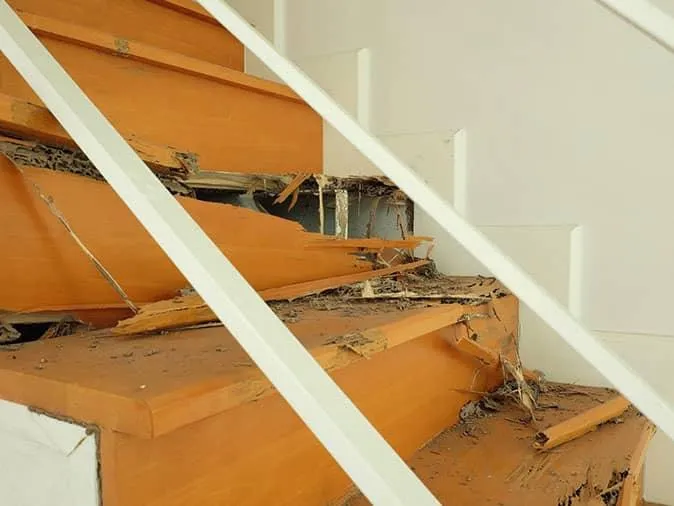
- Hollow Wood: Tap structural framing with a screwdriver handle. If wood sounds completely hollow or breaks open under light pressure, it is a definitive sign of advanced termite damage or carpenter ant boring.
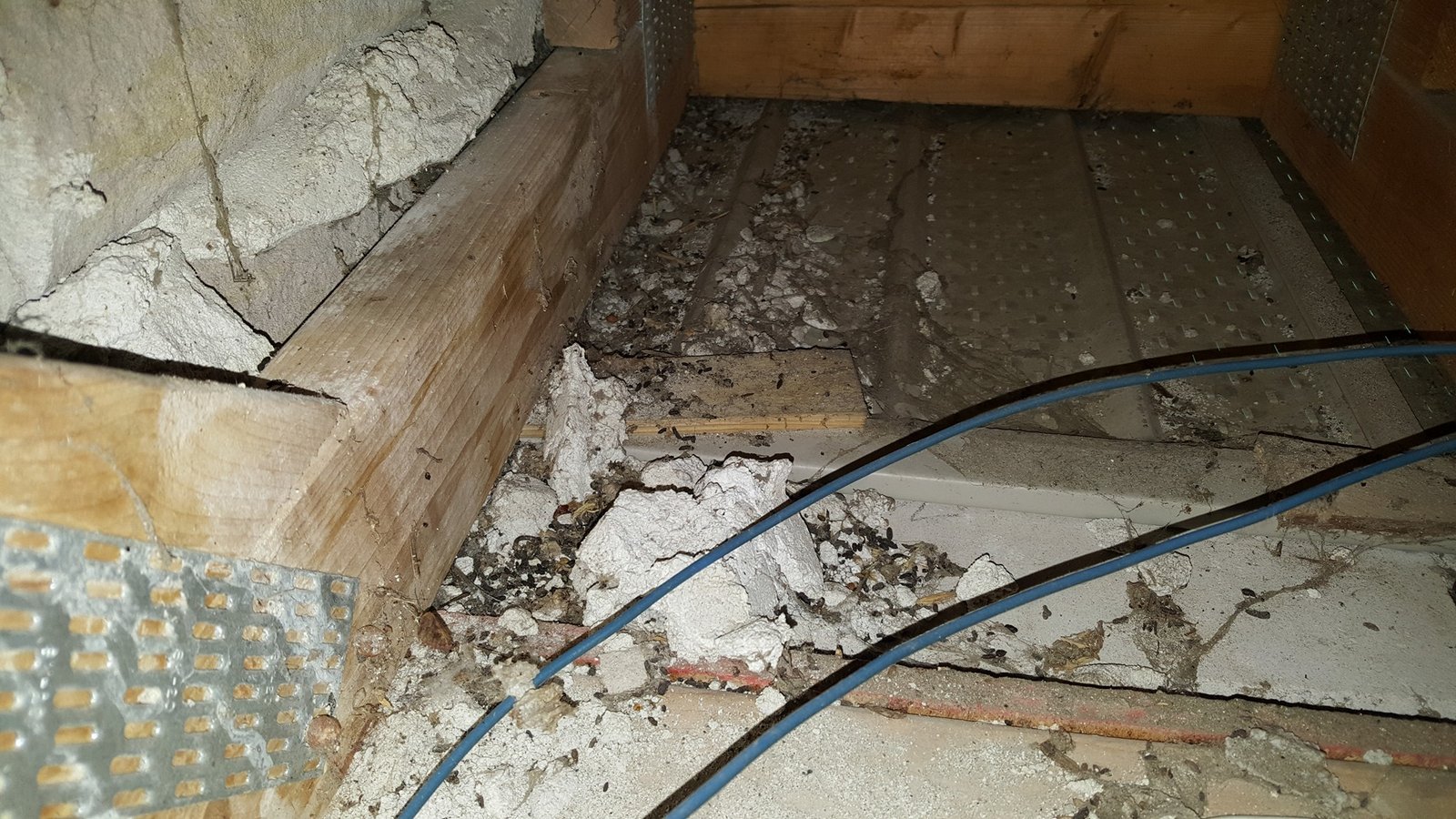
- Droppings: Rodent feces look like dark, pointed grains of rice. Cockroach droppings resemble small flecks of ground black pepper left in cabinet corners.
- Grease Marks: Dark, oily smear bands running along low baseboards or near drywall entry points are left behind by the dirty, oily fur of traveling mice or rats.
- Shed Skins: Transparent, amber insect hulls indicate growing cockroach nymphs, while tiny, translucent shells left in mattress folds point to bed bug development.
- Nests: Hidden piles of shredded newspaper, insulation fiber, and rags tucked into quiet attic joists indicate rodent breeding zones.
- Strange Odors: A heavy, musky, oily smell points to a large cockroach nest. A sudden, unexplained ammonia smell typically indicates rodent urine deposits hidden inside wall voids.
- Dead Insects: Finding unusual concentrations of dead insects inside window tracks or light fixtures helps you identify exactly what species are tunneling through your home.
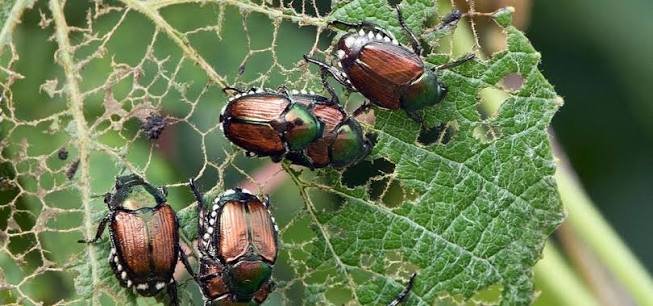
- Damaged Plants: Notched leaves near foundation walls reveal active beetle or weevil traffic, while yellowing, dying turf suggests root damage from underground grubs.
How to Inspect Your Home for Pest Damage
Perform a comprehensive pest inspection twice a year by executing this structured operational process:
1.Examine the Exterior Perimeter:Foundation Check.
Grab a powerful flashlight and trace your outer foundation line. Search for hairline expansion cracks, gaps around plumbing pipes, mud tubes, or mulch piles sitting too close to your siding.
2.Check Under Sinks and Crawl Spaces:Utility Inspection.
Open every under-sink cabinet in your kitchen and bathrooms. Check around pipe entries for chewed gaps, wood rot, or active moisture drips that attract wood-destroying organisms.
3.Inspect Attics and Joists:Upper Levels.
Go into your attic or basement with a flashlight and a screwdriver. Inspect exposed wood framing for fine wood powder, sawdust piles (frass), shredded insulation, or chewed electrical wire wraps.
Preventing Pest Damage
- Eliminate Wood-to-Ground Contact: Ensure your siding and wooden structural components sit at least 6 inches above the surrounding garden soil line to block easy insect entry.
- Manage Household Moisture: Clean out clogged gutters every autumn, fix roof leaks immediately, and maintain relative humidity below 50% in crawl spaces using dedicated dehumidifiers.
- Seal Structural Entry Paths: Fill foundation flaws and pipe openings tightly with stainless steel wool or copper mesh, and seal them with premium silicone caulk.
- Store Belongings Safely: Move paper records, seasonal clothes, and extra linens out of cardboard boxes into heavy, airtight plastic storage bins.
When to Repair Damage Yourself
Minor, superficial problems can be safely managed with simple DIY methods. If your inspection reveals minor surface scratches on baseboards, small holes in drywall that do not affect structural framing, or a couple of chewed pantry boxes, you can manage the repairs yourself.
Simply dispose of the ruined food, seal the small wall gaps with caulk or joint compound, and implement a consistent sanitation plan. Always ensure the active infestation is completely wiped out before closing up any holes.
When to Contact a Professional
If you locate soft structural support joists, hear active scratching noises behind your walls, find indoor swarms of winged insects, or find chewed insulation on main electrical cables, stop immediately and hire a licensed professional.
Widespread structural pest damage requires specialized remediation equipment, thermal mapping tools, and professional structural materials. Furthermore, working around compromised electrical wires or dealing with hidden wild animal nests poses dangerous safety risks that require certified professional expertise.
Frequently Asked Questions
Can you smell pest damage in a house?
Yes. Heavy infestations leave distinctive odor profiles. Large cockroach colonies create a musty, oily smell, bed bugs produce a sweet, coriander-like scent, and hidden rodent populations create a sharp, ammonia-like urine smell inside enclosed spaces.
What does early termite wood damage look like?
Early termite damage often looks like wavy, bubbling paint or slightly blistered wood surfaces. If you press a screwdriver into the wood, it will sink in easily, revealing internal galleries carved along the wood grain, often packed with soil or mud.
Why do rodents chew on electrical wiring?
Rodents possess incisor teeth that grow continuously throughout their lives. They are biologically driven to chew on hard surfaces like wood, plastic pipes, and electrical insulation wraps to grind their teeth down to a manageable size.
How do I distinguish carpenter ant damage from termite damage?
Carpenter ants do not actually eat wood; they simply excavate it to build nesting galleries, leaving behind clean, smooth wood channels that look like sanded wood. Termites consume the wood cellulose directly, leaving behind rough, ragged channels packed with mud and debris.
Does homeowners insurance cover structural pest damage?
In most cases, standard homeowners insurance policies do not cover pest damage or extermination fees. Insurance companies view pest management as a regular home maintenance responsibility, which is why early detection is so critical.
What is frass?
Frass is the fine, powdery sawdust mixed with insect waste that boring beetles and carpenter ants push out of their nesting tunnels. Finding small piles of frass beneath wooden structures is a primary indicator of an active boring insect problem.
How can I tell if a mouse hole is actively being used?
An active mouse hole will feature smooth, clean edges from the oils in the rodent’s fur, freshly chewed wood fibers around the perimeter, and nearby dark, moist droppings. Old, abandoned holes typically look dusty, dry, and faded.
Can pests damage plumbing pipes?
Yes. Mice and rats can chew right through plastic PEX and PVC water lines to reach water sources, which can cause sudden, hidden water leaks inside your walls.
What kind of damage do silverfish cause?
Silverfish feed on starches and carbohydrates. They cause damage by chewing on book bindings, wallpaper glue, cardboard storage boxes, and delicate natural fabrics like silk or cotton.
How often should a pest inspection be performed?
Homeowners should conduct a thorough, personal structural inspection at least twice a year—ideally in the spring and autumn when pests are most actively migrating due to seasonal weather changes.
Key Takeaways
- Act at the First Sign: Never ignore a single warning sign; minor surface issues can quickly escalate into expensive structural repairs if left unaddressed.
- Check the Framing: Tap structural beams with a tool handle to check for hollow wood, and inspect crawl spaces for fine sawdust or mud tubes.
- Address Moisture Flaws: Repair plumbing leaks and clear clogged gutters to eliminate the damp environments that wood-destroying organisms require.
- Seal Entry Vectors: Use steel wool and silicone caulk to block entry points before closing up any historic pest entry paths.
Suggested Internal Linking Opportunities
- Link to your primary cockroach article: Best Cockroach Killers: Top Products for Fast and Effective Roach Control (Context: “…cockroach droppings resemble small flecks of ground black pepper…”)
- Link to your structural termite post: Best Termite Treatments: Effective Products to Protect Your Home (Context: “…protective shelters built by subterranean termites to preserve their moisture…”)
- Link to your master consumer post: Best Pest Control Products for Home Use (2026 Buyer’s Guide) (Context: “…catch a localized target early allows you to use precise, affordable DIY pest control…”)
- Link to your strategic master resource: Integrated Pest Management (IPM): The Complete Beginner’s Guide (Context: “…learning how to spot early signs of pest damage is a fundamental skill…”)
External Authoritative References
- United States Environmental Protection Agency (EPA): Protecting Your Home from Wood-Destroying Organisms
- United States Department of Agriculture (USDA) Forest Service: Recognizing Insect Damage in Structural Timbers
- National Pesticide Information Center (NPIC): Signs of Structural Pest Infestations
- University of Maryland Extension: Structural and Household Pest Diagnostic Guide
- Iowa State University Extension: Identifying Wood-Boring Insect Damage