Finding a cockroach in your kitchen at night is unsettling. It’s often the first sign of a bigger problem hiding behind your walls, under your sink, or inside your appliances.
This cockroach control guide explains what’s really going on when roaches show up. You’ll learn how to identify an infestation, what causes it, the health risks involved, and which cockroach control methods actually work. We’ll also cover when it’s time to call a licensed pest control company instead of handling it yourself.
Table of Contents
What Is Cockroach Control?
Cockroach control is the process of identifying, treating, and preventing cockroach infestations in homes and businesses. Good cockroach control combines sanitation, exclusion (sealing entry points), targeted treatments like baits and gels, and ongoing monitoring.
Effective cockroach control isn’t a one-time spray. It’s a system. Roaches reproduce quickly, hide in tiny cracks, and adapt fast to certain chemicals. That’s why a layered approach to cockroach control works better than a single product.
There are several cockroach species found in homes across the United States, and identifying yours is the first step in choosing the right cockroach control plan:
- German cockroach – small, light brown, most common indoor species
- American cockroach – large, reddish-brown, often found in basements and sewers
- Oriental cockroach – dark, shiny, prefers damp areas
- Brown-banded cockroach – smaller, found in warmer, drier areas of a home
The German cockroach causes the vast majority of indoor infestations because it reproduces the fastest and thrives near kitchens and bathrooms. Our pest identification guide can help you confirm which species you’re dealing with before you choose a cockroach control method.
Why Cockroach Control Matters
Roaches aren’t just unpleasant to look at. They affect your home, your health, and your peace of mind, which is why cockroach control matters more than most homeowners realize.
A single female German cockroach can produce hundreds of offspring in a year. What starts as “just one bug” can turn into a full infestation within a few months without proper cockroach control.
Beyond the reproduction rate, roaches contaminate food, trigger allergies and asthma, and can lower a home’s resale value if a buyer’s inspection reveals an active infestation.
Signs You Need Pest Control
Many homeowners don’t realize they need cockroach control until an infestation is well established. Watch for these warning signs.
Visual Signs
- Live roaches, especially at night when you turn on the kitchen light
- Dead roaches in cabinets, under appliances, or near drains
- Egg cases (oothecae), which are small, dark, capsule-shaped casings
Environmental Signs
- A musty, oily odor in cabinets or pantries
- Small, dark droppings resembling ground coffee or pepper flakes
- Smear marks along walls or baseboards in areas with moisture
- Shed skins near warm appliances like refrigerators or dishwashers
If you notice two or more of these signs, it’s time to start a cockroach control plan rather than wait and see.
Common Causes of Cockroach Infestations
Cockroaches move into homes for three basic reasons: food, water, and shelter. Understanding these causes is the foundation of any cockroach control strategy.
| Cause | Why It Attracts Roaches |
|---|---|
| Food residue on counters or floors | Provides an easy food source |
| Standing water or leaky pipes | Roaches need water more than food to survive |
| Cluttered storage areas | Offers hiding spots and warmth |
| Cardboard boxes | Roaches feed on the glue and hide in the layers |
| Gaps around pipes and vents | Common entry points from outside or neighboring units |
| Shared walls in apartments | Infestations can spread between units through plumbing |
Apartments and multi-unit buildings are especially prone to reinfestation, since roaches can travel through shared plumbing and walls even after one unit gets cockroach control treatment. Check our pest guide for building-specific advice.
Health Risks of a Cockroach Infestation
Cockroaches are more than a nuisance, which is another reason cockroach control shouldn’t be delayed. According to the CDC, cockroach allergens are a known trigger for asthma, particularly in children living in infested housing.
Key health concerns include:
- Allergens – Roach droppings, saliva, and shed skin contain proteins that trigger allergic reactions and asthma flare-ups
- Bacteria transfer – Roaches can carry bacteria like E. coli and Salmonella on their legs as they move between trash, drains, and food surfaces
- Food contamination – Roaches shed skin and leave droppings on unsealed food, pantry items, and dishes
People with asthma, young children, and elderly household members are most at risk from prolonged exposure, which is one more reason to prioritize cockroach control early.
Property Damage Caused by Cockroaches
Roaches don’t chew through wood or wiring the way termites or rodents do, but they still cause damage that a solid cockroach control routine can prevent:
- Staining on wallpaper, cabinets, and books from droppings and secretions
- Contamination of stored food, requiring you to discard pantry items
- Odor buildup in walls and cabinets that can be difficult to remove
- Damage to book bindings and paper products, which some species feed on
How Professionals Treat Cockroach Infestations
Licensed pest control companies use a combination of cockroach control methods tailored to the species and severity of the infestation. The EPA’s guidance on safer pest control recommends this kind of integrated approach over relying on a single product.
Inspection
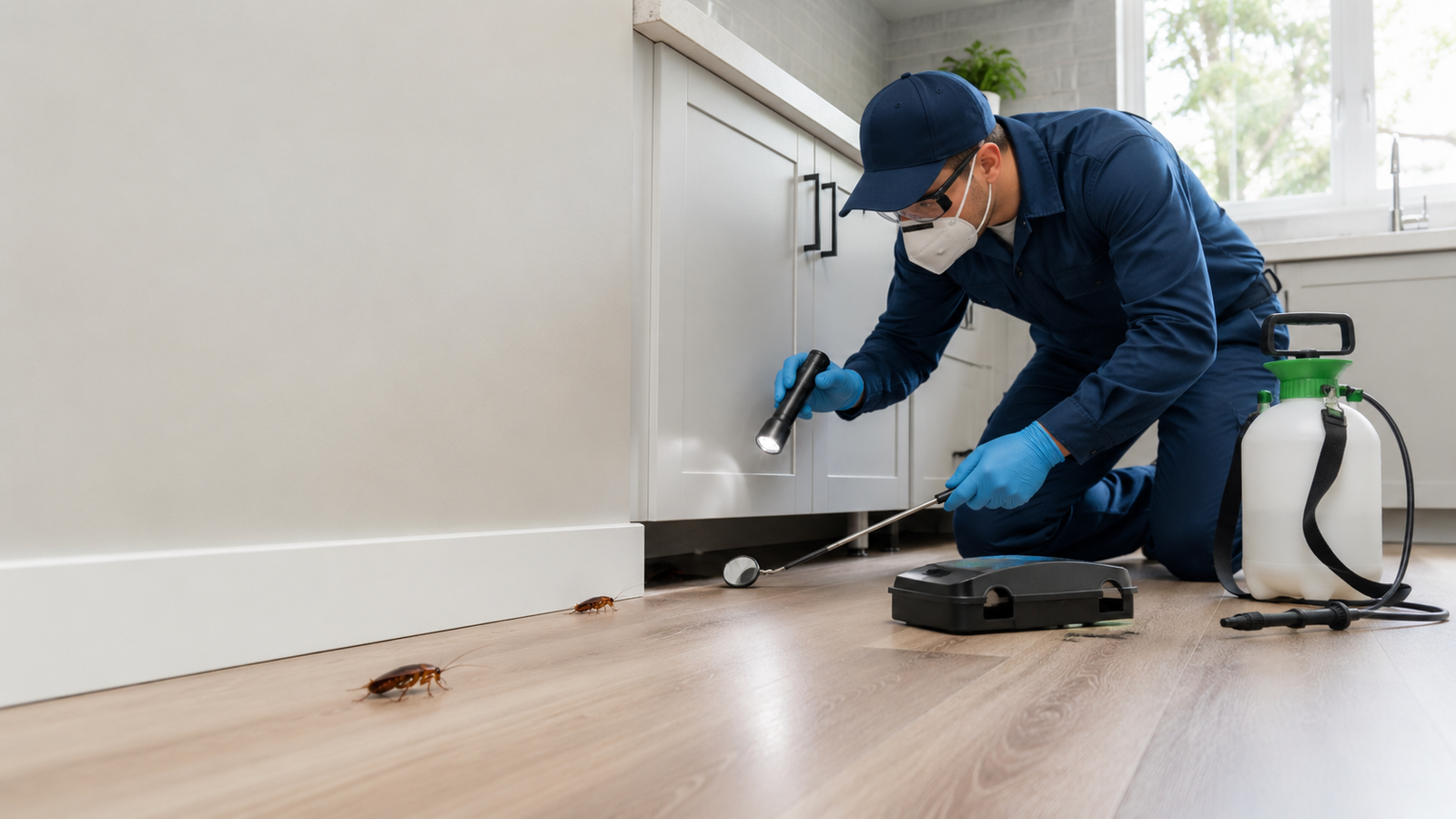
A technician identifies the species, locates nesting areas, and finds entry points before choosing a cockroach control treatment plan.
Gel Baits
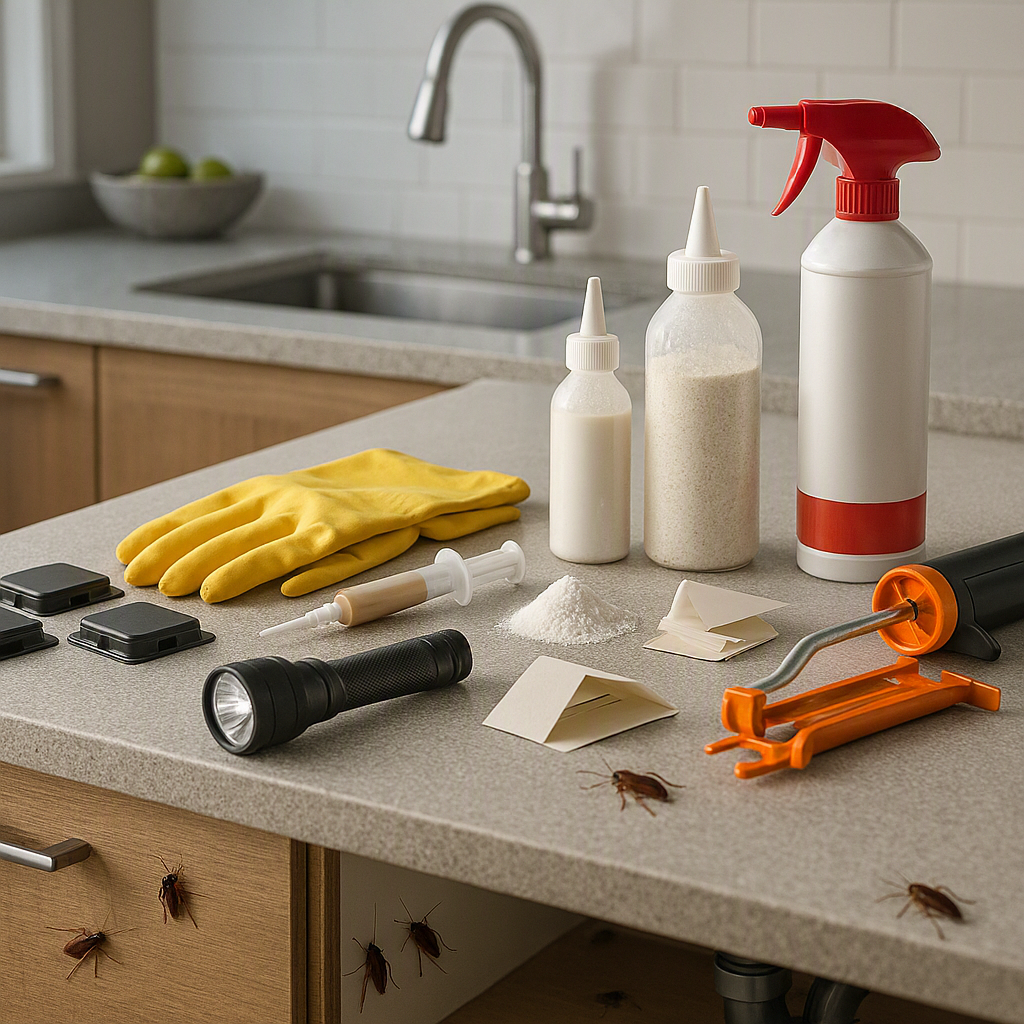
Professional-grade gel baits are placed in cracks, crevices, and behind appliances. Roaches eat the bait and carry it back to the nest, which helps eliminate roaches you never see.
Insect Growth Regulators (IGRs)
These products disrupt the roach life cycle, preventing nymphs from reaching reproductive maturity. IGRs work slower but help stop future generations, adding a long-term layer to any cockroach control program.
Targeted Sprays and Dusts
Residual insecticides are applied in cracks and voids, not on open surfaces, to reduce human and pet exposure while still targeting hiding spots.
Follow-Up Visits
Because roach eggs can take weeks to hatch, most professional cockroach control plans include a follow-up visit to catch any newly emerged nymphs.
DIY Cockroach Control Methods
For minor or early-stage issues, some DIY cockroach control steps can help reduce roach activity before it spreads.
Sanitation First
- Wash dishes immediately instead of leaving them overnight
- Store food, including pet food, in sealed containers
- Take out trash regularly and use a bin with a tight lid
- Wipe down counters and stovetops after cooking
Store-Bought Bait Stations
Over-the-counter bait stations placed along walls, under sinks, and near appliances can reduce roach populations in mild cases. Browse pest control products for options that work alongside a broader cockroach control plan.
Boric Acid
A thin layer of boric acid powder in cracks and voids can be effective against roaches, but it must be kept away from children and pets and applied only in a thin, dry layer for it to work.
Sealing Entry Points
Caulk gaps around pipes, baseboards, and vents to reduce new roaches entering from outside or adjoining units. This step alone makes any cockroach control effort more durable.
When DIY Doesn’t Work
DIY cockroach control can manage light activity, but it often falls short with an established infestation. Consider calling a licensed pest control company if:
- You still see roaches after two to three weeks of consistent DIY treatment
- You notice roaches during the day, which often signals overcrowding at night
- The infestation is in a shared wall or multi-unit building
- You find roaches in multiple rooms, not just the kitchen
- You have young children, elderly residents, or someone with asthma at home
Use our directory to find local pest control if it’s time to bring in a licensed professional.
DIY vs Professional Treatment Comparison
| Factor | DIY Treatment | Professional Treatment |
|---|---|---|
| Cost | Lower upfront cost | Higher upfront cost |
| Effectiveness on light activity | Often sufficient | Effective but may be more than needed |
| Effectiveness on established infestations | Limited | Strong, with follow-up visits |
| Access to professional-grade products | No | Yes |
| Time investment | Ongoing, self-managed | Scheduled visits handled by a technician |
| Long-term monitoring | Manual | Often included in service plans |
How to Prevent Cockroach Problems
Prevention is far easier than treatment, and it’s the least expensive form of cockroach control. A few consistent habits keep roaches from settling in.
Step-by-Step Prevention Guide
- Store food properly. Keep dry goods, cereal, and pet food in airtight containers.
- Fix leaks promptly. Repair dripping faucets and pipes under sinks within a few days of noticing them.
- Reduce clutter. Clear out cardboard boxes, stacks of paper, and unused items in storage areas.
- Seal entry points. Caulk gaps around baseboards, pipes, and window frames.
- Clean regularly. Wipe counters, sweep floors, and empty trash daily.
- Inspect deliveries. Check grocery bags and cardboard boxes for hitchhiking roaches before bringing them inside.
- Maintain outdoor areas. Keep mulch and debris away from the foundation, since some species enter from outside.
- Schedule periodic inspections. Even without visible activity, a yearly cockroach control check from a licensed provider can catch early signs. Our pest prevention checklist covers this in more detail.
Prevention Checklist
- Food stored in sealed containers
- No standing water or leaks under sinks
- Trash removed daily
- Cardboard boxes broken down and recycled
- Cracks and gaps caulked
- Clutter minimized in storage areas
- Pet food bowls cleaned nightly
- Drains cleaned regularly
Mistakes to Avoid
- Using only surface sprays. Roaches hide deep in cracks; surface sprays rarely reach the nest, weakening any cockroach control effort.
- Mixing pesticide products. Combining chemicals can be dangerous and reduce effectiveness.
- Ignoring moisture sources. Roaches need water more than food, so a hidden leak can undo other cockroach control efforts.
- Treating only the kitchen. Roaches often nest in bathrooms, behind appliances, and inside wall voids too.
- Stopping treatment too early. Roach eggs can take weeks to hatch, so early success doesn’t always mean cockroach control is complete.
Cost Factors for Cockroach Control
Professional cockroach control costs vary based on several factors:
| Factor | Impact on Cost |
|---|---|
| Severity of infestation | Higher severity usually means more visits and higher cost |
| Home or building size | Larger properties require more product and time |
| Species involved | German cockroach infestations often need more follow-ups |
| Treatment type | Baiting programs vs. one-time spray treatments differ in price |
| Number of follow-up visits | Ongoing service plans cost more than a single visit |
| Location | Regional pricing and local demand affect rates |
Always request a written estimate and ask what’s included, such as follow-up visits, before agreeing to a cockroach control service.
Frequently Asked Questions
1. What attracts cockroaches to a home? Food residue, standing water, and clutter are the biggest attractants. Roaches need water even more than food to survive.
2. Are cockroaches dangerous to humans? They aren’t venomous or aggressive, but their droppings and shed skin can trigger allergies and asthma, and they can transfer bacteria to food surfaces.
3. How fast do cockroaches reproduce? A single female German cockroach can produce hundreds of offspring within a year, which is why early cockroach control matters.
4. Can I get rid of cockroaches without an exterminator? Light activity can sometimes be managed with sanitation, sealing entry points, and store-bought baits. Established infestations usually need professional cockroach control.
5. Why do I see roaches during the day? Daytime sightings often mean the hidden population is large enough that some roaches are being forced out to forage during the day.
6. Does boric acid actually work on roaches? Yes, in a thin, dry layer inside cracks and voids, though it must be kept away from children and pets and reapplied if it gets wet.
7. How long does professional cockroach treatment take to work? Most people see a noticeable reduction within one to two weeks, though full elimination can take several weeks due to the egg cycle.
8. Can cockroaches come back after treatment? Yes, especially in apartments or homes with ongoing moisture issues or entry points that haven’t been sealed. That’s why ongoing cockroach control matters even after the roaches seem gone.
9. Are cockroaches more common in certain seasons? Activity often increases in warmer months, but indoor infestations, especially German cockroaches, can persist year-round since they thrive in heated homes.
10. Is it normal to see roaches in a clean house? Yes. Even clean homes can have roach problems if there’s a moisture source, a shared wall with an infested neighbor, or roaches entering through pipes.
Final Thoughts
Cockroach control works best as an ongoing habit, not a one-time fix. Regular cleaning, sealed food storage, and quick leak repairs go a long way toward keeping roaches out.
For light activity, DIY sanitation and store-bought baits can help. But if roaches keep returning, appear during the day, or show up in multiple rooms, it’s a sign your cockroach control needs a professional touch.
If the infestation is severe or keeps returning, contact a licensed local pest control company for inspection and treatment.
- /pest-guide/ — linked in “Common Causes” section
- /pest-prevention/ — linked in “How to Prevent Cockroach Problems” section
- /pest-identification/ — linked in “What Is Cockroach Control” section
- /pest-products/ — linked in “DIY Cockroach Control Methods” section
- /find-local-pest-control/ — linked in “When DIY Doesn’t Work” section
- CDC — cockroach allergens and asthma — linked in “Health Risks” section
- EPA — safer pest control guidance — linked in “How Professionals Treat Cockroach Infestations” section