When temperatures drop, the outdoor environment becomes hostile for survival. While some insects die off and others enter a state of dormancy, many adaptable creatures seek refuge elsewhere. Your heated home, with its abundant insulation and hidden structural voids, becomes a prime target.
Understanding how to prevent winter pests requires shifting your focus from outdoor perimeter barriers to interior exclusion and deep-void protection. To keep your property secure during the coldest months, you need a targeted strategy designed for cold weather pests. This comprehensive seasonal pest guide explains why these unwanted guests head indoors and how you can stop them.
Why Pests Become Active Indoors During Winter
Insects and rodents are driven indoors during the winter by simple biological needs: warmth, food, and moisture. For rodents like mice and rats, maintaining their core body temperature requires finding a sheltered environment away from freezing winds and winter predators.
For winter insects, the movement inside is often triggered by diapause (a biological delay in development) or overwintering habits. As the autumn air cools, these pests follow warm air currents escaping through structural cracks, leading them directly into your wall cavities, attic insulation, and heated living areas.
Most Common Winter Pests
During the cold season, a distinct group of pests is highly likely to seek shelter inside residential properties:
Winter Pest Analysis Matrix
| Pest | Why It’s Common in Winter | Main Risks | Best Prevention Method |
| Mice | Seek warm nesting materials and easy indoor food. | Chew electrical wires; spread Salmonella and Hantavirus. | Stuff gap openings with stainless steel wool and caulk. |
| Rats | Driven indoors by freezing outdoor water and food shortages. | Severe structural damage; carry dangerous parasites. | Seal foundation holes; keep outdoor trash bins locked. |
| Cockroaches | Attracted to the constant warmth of indoor appliance motors. | Trigger respiratory allergies; contaminate food surfaces. | Wipe away kitchen grease; repair pipe leaks instantly. |
| Spiders | Move deep into quiet basements to hunt overwintering insects. | Venomous bites from reclusive species; unsightly webbing. | Clear out storage clutter; vacuum dark closet corners. |
| Silverfish | Thrive in high-humidity areas like bathrooms and basements. | Destroy books, wallpaper, and stored cotton fabrics. | Run a dehumidifier to keep indoor humidity below 50%. |
| Cluster Flies | Crawl into attic spaces on sunny winter days to hibernate. | Annoying swarms around windows when indoor heat wakes them. | Seal exterior fascia boards and ridge vents in autumn. |
| Boxelder Bugs | Squeeze through siding gaps to find warm south-facing walls. | Stain interior fabrics and walls with dark fecal waste. | Install fine-mesh screens over all attic soffit vents. |
| Stink Bugs | Overwinter inside wall voids to survive freezing conditions. | Release a pungent, foul odor when disturbed or crushed. | Seal exterior window trim and door frames thoroughly. |
Signs of Winter Pest Activity
Because pests in winter spend most of their time hidden away inside walls or dark attics, you must watch for these subtle indicators:
- Dark Rodent Droppings: Check along pantry baseboards, inside kitchen sink cabinets, and near attic insulation. Fresh droppings are moist, dark, and shaped like small grains of rice.
- Gnaw Marks on Packaging: Rodents must chew constantly to keep their teeth sharp. Look for rough holes in cardboard food boxes, plastic bags, or wood baseboards.
- Scratching Noises in Walls: Faint scratching, scurrying, or squeaking sounds inside your drywall or ceiling panels—especially at night—indicate active mice or rats.
- Sluggish Insects Near Windows: On sunny winter days, internal home heating can trick overwintering insects like stink bugs and cluster flies into waking up early, causing them to gather on window glass.
How to Prevent Winter Pests
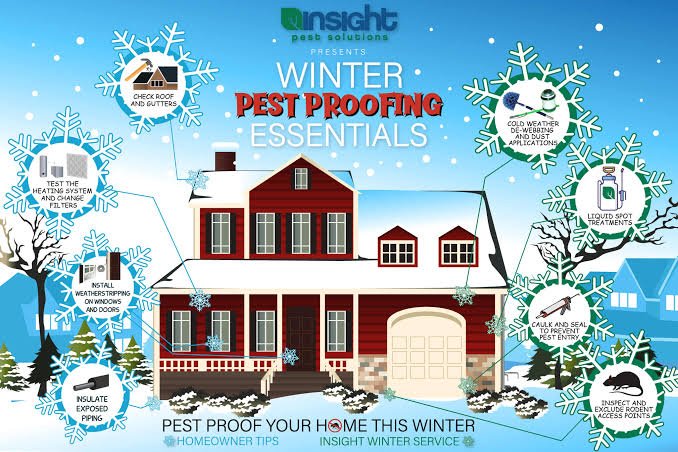
Successful winter pest control focuses on sealing your home’s exterior shell and eliminating the interior resources that keep pests alive.
- Seal Cracks and Gaps: Inspect your foundation wall for openings. Use premium silicone caulk or expandable foam mixed with steel wool to seal gaps around outdoor cable lines, pipes, and dryer vents.
- Store Food Properly: Move baking flour, cereal, and pet food out of thin plastic packaging into airtight glass or heavy-duty plastic storage bins.
- Reduce Household Clutter: Clean out your garage, basement, and closets. Cardboard boxes provide ideal nesting spots for mice and silverfish, so replace them with sealable plastic totes.
- Eliminate Indoor Moisture: Fix dripping faucets and sweating utility pipes under sinks. Ensure bathroom exhaust fans run long enough to clear out lingering humidity.
- Inspect Attics and Basements: Check your attic insulation for tunnels or nesting pockets. Examine dark basement corners for spider webs, silverfish damage, or rodent pathways.
- Maintain Home Insulation: Replace damaged or missing weather stripping beneath exterior doors and install tight foam gaskets behind electrical outlets on exterior walls.
- Keep Firewood Away from the House: Stack firewood logs at least 20 feet away from your foundation and raise them off the ground. Pests love to overwinter in woodpiles and can easily be carried inside on logs.
- Repair Damaged Screens and Vents: Replace torn window screens and fit crawl space foundation vents with durable, heavy-duty metal wire mesh grates.
Best Pest Control Methods for Winter
Managing common winter pests effectively requires using targeted tools designed for indoor spaces:
1.Seal the Structural Envelope:Exterior Exclusion.
Before freezing weather hits, seal all gaps larger than 1/4 inch with copper mesh, steel wool, and weather-resistant sealants to block rodents and insects.
2.Set Up Targeted Traps Indoors:Interior Trapping.
Place snap traps for rodents or non-chemical sticky glue boards for insects flush against baseboards in dark basements, utilities, and pantries.
3.Apply Dust Insecticides to Dry Voids:Void Treatment.
Puff a thin layer of insecticidal dust into wall voids through electrical outlets to target hidden overwintering insects without affecting your indoor air.
Natural Ways to Keep Winter Pests Away
If you prefer to support your winter defense plan without relying entirely on synthetic chemicals, consider these highly effective natural alternatives:
- Deploy Pure Peppermint Oil: Mice and spiders rely heavily on their sense of smell. Soak cotton balls in pure, undiluted peppermint essential oil and place them in kitchen cabinets or closet corners to create a natural scent barrier.
- Apply Food-Grade Diatomaceous Earth: Dust a fine layer of diatomaceous earth inside dry wall voids, beneath baseboards, and along plumbing pipes. This natural powder damages the waxy outer coating of crawling insects, causing them to dehydrate.
- Use Natural Cedar Blocks: Place real cedar wood blocks, chips, or rings inside storage chests and closets. The natural oils in cedar act as an excellent deterrent against silverfish, moths, and beetles.
Common Winter Pest Control Mistakes
- Placing Rodent Bait Stations Indoors: Using toxic rodenticide baits inside your living areas can cause poisoned mice to crawl deep inside your wall voids to die, creating a severe odor and fly problem. Use mechanical snap traps indoors instead.
- Spraying Liquid Pesticides on Dormant Insects: Spraying active liquids on overwintering pests like stink bugs hidden inside walls is rarely effective. It fails to reach the core population and can cause the insects to scatter into your living spaces.
- Leaving the Attic Hatch Unsealed: Homeowners often secure their lower living spaces but forget the attic hatch. An unsealed attic door gives roof-dwelling rodents and overwintering flies an open highway into your home.
When to Contact a Professional
If you find signs of a severe rat problem, discover extensive mouse droppings across multiple rooms, or deal with thousands of cluster flies waking up inside your attic, it is time to contact a professional pest control company. Licensed technicians have specialized tracking powders, heavy-duty industrial vacuums for attic cleanouts, and the expert knowledge needed to handle difficult rodent exclusions safely.
Frequently Asked Questions
Why do I suddenly have a mouse problem when winter starts?
Mice cannot survive extended freezing outdoor temperatures. When the autumn air turns cold, they follow the warm air currents escaping from your home’s foundation gaps and climb indoors to find shelter.
Will cold winter weather naturally kill off a cockroach infestation?
No. While outdoor roaches may struggle, cockroaches that make it into your heated home will thrive year-round by nesting near warm appliance motors and finding food in your kitchen.
What is the most effective way to catch mice inside a house?
The most reliable method is using classic wooden snap traps. Bait them with a pea-sized amount of peanut butter and place them directly against baseboards, as mice prefer to travel along walls.
Why are stink bugs appearing inside my home in the middle of winter?
Stink bugs enter your wall voids during the autumn to hibernate. When you run your home heating system during the winter, the warmth can seep into the walls, tricking the bugs into waking up early.
Do electronic ultrasonic pest repellents work against winter rodents?
Independent scientific testing shows that ultrasonic devices provide little to no long-term protection. Rodents quickly get used to the sound waves or simply travel through areas where the sound is blocked by furniture.
How do silverfish manage to survive inside dry winter homes?
Silverfish seek out high-humidity microclimates within your home. They gather around bathroom drains, damp basement floors, crawl spaces, and leaky water pipes where moisture lingers.
Should I worry about spider bites more during the winter?
Spiders are rarely aggressive and prefer to hide in dark, undisturbed areas. However, because they move into closets, shoes, and storage boxes to escape the winter cold, accidental bites can occur if they are squeezed.
Can rats chew through regular expanding spray foam?
Yes. Standard expanding spray foam is soft and easy for rats and mice to chew through. Always pack gaps with stainless steel wool or copper mesh before applying expanding foam to create a secure barrier.
What attracts boxelder bugs to specific homes in the winter?
Boxelder bugs are drawn to properties with clear, south-facing brick or light-colored siding that bakes in the afternoon sun. They gather on these warm surfaces before crawling into nearby siding gaps.
Is it safe to use pesticide foggers in an attic for winter insects?
No. Bug bombs and foggers do not penetrate deep into insulation or wall crevices where winter insects hibernate. They leave chemical residues on stored items and can create a fire hazard near attic furnaces.
Key Takeaways
- Prioritize Exclusion: Seal all exterior foundation gaps, utility pipe entries, and door thresholds before freezing weather arrives.
- Ditch Indoor Rodent Baits: Use mechanical snap traps indoors instead of poisons to avoid having pests die inside your walls.
- Control Indoor Humidity: Keep your basement and crawl space humidity below 50% using a dehumidifier to discourage silverfish and roaches.
- Manage Your Firewood: Store firewood logs away from your home’s foundation and inspect each log before bringing it inside.
Suggested Internal Linking Opportunities
- Link to your primary master framework: Pest Control: The Complete Homeowner’s Guide to Safe and Effective Pest Management (Context: “…understanding how to prevent winter pests requires shifting your focus…”)
- Link to your core inspection framework: Signs of Pest Damage: How to Identify Damage Before It Gets Worse (Context: “…because pests in winter spend most of their time hidden away inside…”)
- Link to your comprehensive DIY primer: DIY Pest Control: A Complete Homeowner’s Guide (Context: “…successful winter pest control focuses on sealing your home’s exterior shell…”)
- Link to your targeted cockroach eradication guide: How to Get Rid of Cockroaches: A Complete Step-by-Step Guide (Context: “…attracted to the constant warmth of indoor appliance motors…”)
External Authoritative References
- United States Environmental Protection Agency (EPA): Controlling Pests Safely in Winter
- Centers for Disease Control and Prevention (CDC): Rodent Control and Prevention Guidelines
- United States Department of Agriculture (USDA): Overwintering Insect Biology and Behavior
- University of Minnesota Extension: Selecting Exclusion Materials for Home Pest Barriers
- Penn State Extension: Managing Stink Bugs and Boxelder Bugs in the Home