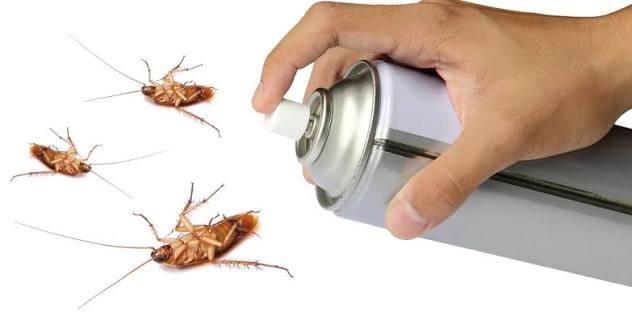
Cockroaches are among the most resilient structural pests on the planet. They can survive for weeks without food, resist common over-the-counter contact sprays, and multiply rapidly within hidden wall voids. Simply spraying a bug when you see it on the kitchen floor does nothing to solve the broader issue.
To permanently kill cockroaches and eliminate a deeply embedded cockroach infestation, you must use a systematic approach. Relying entirely on contact aerosols or bug bombs only scatters the insects deeper into your walls. This guide provides a clear blueprint to safely remove cockroaches from home structures using professional-grade techniques.
Why Cockroaches Invade Homes
Cockroaches enter residential properties looking for a few specific elements that support their survival:
- Food Sources: They are opportunistic scavengers that feed on grease splatters on the stove, crumbs in the toaster, dirty dishes in the sink, pet food left out overnight, and even cardboard or wallpaper glue.
- Water Sources: Moisture is a major driver for infestations. Pests gather around leaking pipes beneath kitchen sinks, condensation on refrigerator drip pans, standing water in shower drains, and pet water bowls.
- Shelter: Cockroaches are thigmotropic, meaning they prefer tight spaces where surfaces touch both the top and bottom of their bodies. They squeeze into thin cracks behind baseboards, wall framing voids, and electrical junction boxes.
- Warm Environments: Cold-blooded insects thrive where ambient temperatures are high. The heat given off by refrigerator compressors, dishwasher motors, and hot water heaters creates ideal nesting zones.
- Entry Points: Pests easily enter structures through torn window screens, unsealed utility pipe penetrations, weep holes in brick siding, and gaps beneath exterior doors lacking proper weather stripping.
Signs of a Cockroach Infestation
Because these pests are primarily nocturnal and avoid open light, you must rely on biological and physical clues to detect an active problem:
- Live Cockroaches: Spotting active roaches scurrying across countertops when you turn on a light at night is a clear sign of a growing population.
- Droppings: Small roaches leave behind dark, gritty waste that resembles ground black pepper or coffee grounds. Larger species produce distinct, cylindrical droppings with ridges down the sides.
- Egg Cases (Oothecae): Cockroaches breed using protective, capsule-like egg cases called oothecae. You can find these dark brown, purse-shaped capsules glued to the undersides of drawers or behind kitchen cabinets.
- Musty Odor: Large populations communicate using aggregation pheromones. This chemical trail creates a distinct, heavy, oily, or musty odor that lingers in poorly ventilated pantries.
- Smear Marks: In damp environments, cockroaches leave irregular, dark brown liquid streaks as they crawl along walls, baseboard seams, and structural corners.
- Shed Skins: As nymphs grow into adults, they shed their hard outer skeletons 5 to 7 times. You will find these hollow, light-brown casings inside drawers and behind appliances.
Step-by-Step Cockroach Control Process
Follow this professional five-stage blueprint to eliminate the infestation from the ground up:
1. Identify and Inspect
1.Identify the Cockroach Species:Species Identification.
Look closely at the pest to identify its specific type. German cockroaches feature two dark, parallel stripes right behind their head and prefer indoor kitchens. American cockroaches are much larger, reddish-brown, and generally prefer damp basements or utility drains.
2.Inspect Active Infestation Areas:Visual Audit.
Pull out your stove, refrigerator, and dishwasher. Use a high-powered flashlight to search along the cabinet hinges, look for droppings inside utility drawers, and check the pipe wall penetrations beneath your sinks.
3.Remove Food and Seal Entry Points:Sanitation & Sealing.
Clean away all traces of grease from your cooking surfaces, wipe down inner cabinets, and store pantry items in airtight glass or thick plastic containers. Use clear silicone caulk to seal gaps in your backsplash and fill spaces around plumbing pipes with stainless steel wool.
4.Apply Gel Baits and Stations:Bait Application.
Place small, pea-sized drops of insecticidal gel bait directly into cabinet corners, hinge lines, and behind appliances. Use slow-acting baits so worker roaches can eat the chemical and carry it back to share with the rest of the hidden nest.
5.Monitor and Follow-Up:Long-Term Monitoring.
Place non-chemical sticky glue traps flush against baseboards to monitor ongoing activity. Check the traps weekly to measure how quickly the population is shrinking and replace your gel baits every two weeks until the traps remain completely clean.
Best Cockroach Control Methods
Achieving permanent cockroach control requires choosing the right tool for the job. This breakdown compares the top management options available for residential spaces:
| Method | Best for | Advantages | Disadvantages |
| Gel Baits | Indoor kitchens, cabinets, and hidden electronic motors. | Wipes out the deep nest; fits into tiny cracks easily. | Dries out over time; requires you to clean up food rivals. |
| Bait Stations | Under sinks, inside bathrooms, and open pantries. | Protects bait from dust; safer for kids and pets. | Fixed placement limits options; less appealing than fresh gel. |
| Contact Sprays | Fast knockdown of single visible bugs. | Provides immediate kill on contact. | Scatters the remaining nest; leaves behind toxic chemical films. |
| Dust Insecticides | Inner wall voids, outlets, and deep baseboard hollows. | Stays effective for years if kept dry; provides great coverage. | Can be messy; unsafe if drifted into open air. |
| Boric Acid | Under heavy appliances and inside dry utility voids. | Destroys the insect’s stomach liner; cheap and long-lasting. | Works very slowly; loses effectiveness if it gets damp or wet. |
| Sticky Traps | Tracking populations along baseboard pathways. | Completely pesticide-free; clearly shows travel lines. | Cannot reduce or stop a large, breeding nest. |
| IPM Framework | Complete, long-term home protection. | Focuses on systemic prevention; minimizes chemical use. | Demands ongoing maintenance and consistent cleaning. |
Natural Cockroach Control Methods
If you want to support your main treatment plan with non-synthetic options, focus on low-toxicity minerals and targeted essential oils. Diatomaceous Earth (DE) is an excellent natural option. This fine powder is made from fossilized algae and cuts through the oily, protective outer coating of a cockroach’s exoskeleton, causing the insect to dehydrate and die within a few days. Apply DE as a very thin, almost invisible layer inside dry wall voids and beneath appliances.
Additionally, pure essential oils like peppermint oil, rosemary oil, and lemongrass oil act as excellent natural deterrents. Mixing a few drops of these oils with distilled water creates a spray that disrupts the pest’s scent tracking networks. Keep in mind that natural options function primarily as repellents or minor additions; they cannot wipe out a large, deeply embedded colony on their own.
Common Mistakes That Make Infestations Worse
- Using Aerosol Bug Bombs: Total release foggers do not sink deep into the narrow wall cracks where roaches live. Instead, the harsh airborne fumes drive the pests deeper into your walls or into neighboring apartments, making the problem harder to solve.
- Mixing Spray Repellents with Gel Baits: Spraying a strong, residual contact chemical directly on or near your fresh gel bait will ruin the treatment. The repellent smell drives roaches away from the area, preventing them from eating the bait.
- Leaving Alternative Food Sources Open: Leaving pet food in open bowls overnight or ignoring grease splatters on the side of your stove gives roaches plenty of options. They will ignore your bait if they have easy access to preferred kitchen grease.
How to Prevent Cockroaches from Returning
- Run a Nightly Sink Sweep: Wash all dirty dishes before bed, dry your sinks completely with a towel, and place tight stoppers over your drains to block easy water sources.
- De-Clutter Cardboard Storage: Move items out of corrugated cardboard boxes and paper grocery bags, as cockroaches love to feed on the starches in the glue and lay eggs in the folds. Replace them with airtight plastic tote bins.
- Maintain Tight Door Sweeps: Install sturdy, heavy-duty brush door sweeps on all exterior doors, ensuring there are no gaps larger than 1/16 of an inch along the floor threshold.
When to Contact a Professional Pest Control Company
If you consistently see multiple German cockroach nymphs during daylight hours, encounter an infestation spreading through multi-unit apartment walls, or find that your DIY bait treatments have not reduced the population after three weeks, call a professional pest control company.
Licensed pest control operators have access to advanced tools like non-repellent liquid concentrates, specialized insect growth regulators (IGRs) that stop roaches from breeding, and heavy-duty dusting equipment to clear out inaccessible wall cavities safely.
Frequently Asked Questions
What is the single best way to get rid of cockroaches permanently?
The best way to get rid of cockroaches is to combine strict kitchen sanitation with professional-grade, slow-acting gel baits. This approach forces the insects to carry the bait back to share with the hidden breeding nest.
Why do I see more cockroaches after putting out fresh gel bait?
This is a sign the treatment is working. Cockroach gel baits contain powerful food attractants designed to draw pests out from their wall hiding spaces. The roaches you see are actively feeding on the bait and will die shortly.
Can cockroaches survive a house treatment by hiding inside electronics?
Yes. Cockroaches love the warmth generated by electronic circuit boards inside microwaves, back of smart TVs, and game consoles. Treat these sensitive areas using protected bait stations or specialized gel drops rather than liquid sprays.
Do roaches spread dangerous medical conditions to humans?
Yes. Cockroaches carry bacteria like E. coli and Salmonella on their legs and bodies, which can easily contaminate kitchen prep surfaces. Their shed skins and dried waste also release airborne proteins that can trigger acute asthma attacks.
How often should I replace my indoor cockroach gel baits?
Apply fresh gel bait drops every 10 to 14 days. Exposed gel dries out over time and loses its food appeal, so regular replacement ensures foraging roaches always have an attractive food source.
Will keeping my house cold stop a cockroach infestation?
Lowering your thermostat will slow down their breeding cycles, but it cannot eliminate an infestation. Cockroaches will simply cluster closer to warm appliance motors and hot water pipes to survive.
Can cockroaches crawl up through open sewer drains?
Yes. Large American cockroaches live extensively in municipal sewer lines and can crawl up open shower or basement floor drains. Installing fine mesh drain grates will block their path.
Does baking soda really kill cockroaches?
Baking soda can kill a cockroach if the insect eats it, as it creates gas that ruptures their digestive system. However, you must mix it equal parts with white sugar to convince them to eat it, making it much less efficient than targeted commercial baits.
What does it mean if I see a cockroach during the day?
Seeing roaches during daylight hours usually indicates a severe, high-density infestation. It means the hidden wall nests are overcrowded, forcing subordinate roaches out into the open to find food.
Can an apartment resident solve a roach issue alone?
It is very difficult to solve a roach problem alone in an apartment because the insects travel freely through shared utility lines between units. Lasting control requires a coordinated treatment across all connected apartments.
Key Takeaways
- Avoid Foggers: Do not use bug bombs; they scatter the nest and make the overall infestation harder to control.
- Use Slow-Acting Baits: Apply high-quality gel baits in small drops so foraging roaches can carry the treatment back to destroy the core nest.
- Keep Kitchens Clean: Clean away all surface grease, empty your toaster trays, and never leave pet food out overnight.
- Seal Entry Paths: Use a combination of silicone caulk and steel wool to seal gaps around plumbing pipes and backsplash tile joints.
Suggested Internal Linking Opportunities
- Link to your comprehensive DIY primer: DIY Pest Control: A Complete Homeowner’s Guide (Context: “…follow our step-by-step DIY cockroach control guide to inspect…”)
- Link to your general framework guide: Integrated Pest Management (IPM): The Complete Beginner’s Guide (Context: “…achieving permanent cockroach control requires choosing the right tool…”)
- Link to your core structural Post: Signs of Pest Damage: How to Identify Damage Before It Gets Worse (Context: “…because these pests are primarily nocturnal and avoid open light…”)
- Link to your core master overview: Pest Control: The Complete Homeowner’s Guide to Safe and Effective Pest Management (Context: “…simply spraying a bug when you see it on the kitchen floor does nothing…”)
External Authoritative References
- United States Environmental Protection Agency (EPA): Cockroaches – Control and Identification
- Centers for Disease Control and Prevention (CDC): Cockroach Allergens and Health Risks
- University of Nebraska-Lincoln Extension: Integrated Management of German Cockroaches
- University of California IPM Program: Cockroach Management Guidelines
- National Pesticide Information Center (NPIC): Using Boric Acid Safely for Pest Control