Termites are the most destructive structural pests a property owner can face, silently devouring timber from the inside out. Unlike surface-dwelling insects, a termite infestation happens hidden away behind drywall, under subfloors, and deep within structural beams.
Learning how to get rid of termites effectively depends entirely on identifying your specific pest species and judging the severity of the damage. Treating a subterranean colony requires a completely different strategy than tackling an isolated drywood nest. This guide breaks down termite removal and long-term protection into manageable steps.
Table of Contents
Why Termites Invade Homes
Before you can get rid of termites for good, it helps to understand why they targeted your property in the first place:
- Moisture — damp soil, leaky spigots, broken gutters, and poorly ventilated crawl spaces attract subterranean termites
- Wood-to-soil contact — porch posts, deck supports, or siding touching soil create a direct bridge
- Cellulose food sources — dead stumps, wood mulch, stacked firewood, and stored cardboard
- Structural cracks — hairline foundation cracks, unsealed plumbing gaps, and shifting expansion joints
- Landscaping issues — thick mulch against siding traps moisture and hides mud tubes from view
Signs of a Termite Infestation
Before you can implement a targeted plan to get rid of termites, look for these physical indicators:
- Mud tubes — pencil-thin tunnels along foundation walls and joists
- Hollow wood — a dull, empty echo when tapped, versus a sharp thud in sound wood
- Discarded wings — translucent, equal-length wings shed during seasonal swarms
- Frass — sand-like pellets pushed out of drywood termite kick-out holes
- Buckling paint — moisture from tunneling causes drywall paint to blister or crack
- Sticking doors and windows — warped framing from insect feeding pressure
Step-by-Step Termite Control Process
Follow this five-stage process to get rid of termites systematically:
- Confirm the species — subterranean termites leave ragged, mud-packed galleries; drywood termites cut clean tunnels and leave frass pellets.
- Inspect structural hotspots — check crawl spaces, sill plates, rim joists, and plumbing entry points for soft spots.
- Remove moisture and soil contact — fix leaks, clear gutters, extend downspouts, and keep a 6-inch gap between soil and siding.
- Apply targeted treatments — liquid barriers or bait stations for subterranean colonies; borate foam injections for isolated drywood nests.
- Set up long-term monitoring — check bait stations every few months and schedule a yearly structural inspection.
Best Termite Control Methods
Choosing the best way to get rid of termites depends on your property layout and budget:
| Method | Best For | Advantages | Disadvantages |
|---|---|---|---|
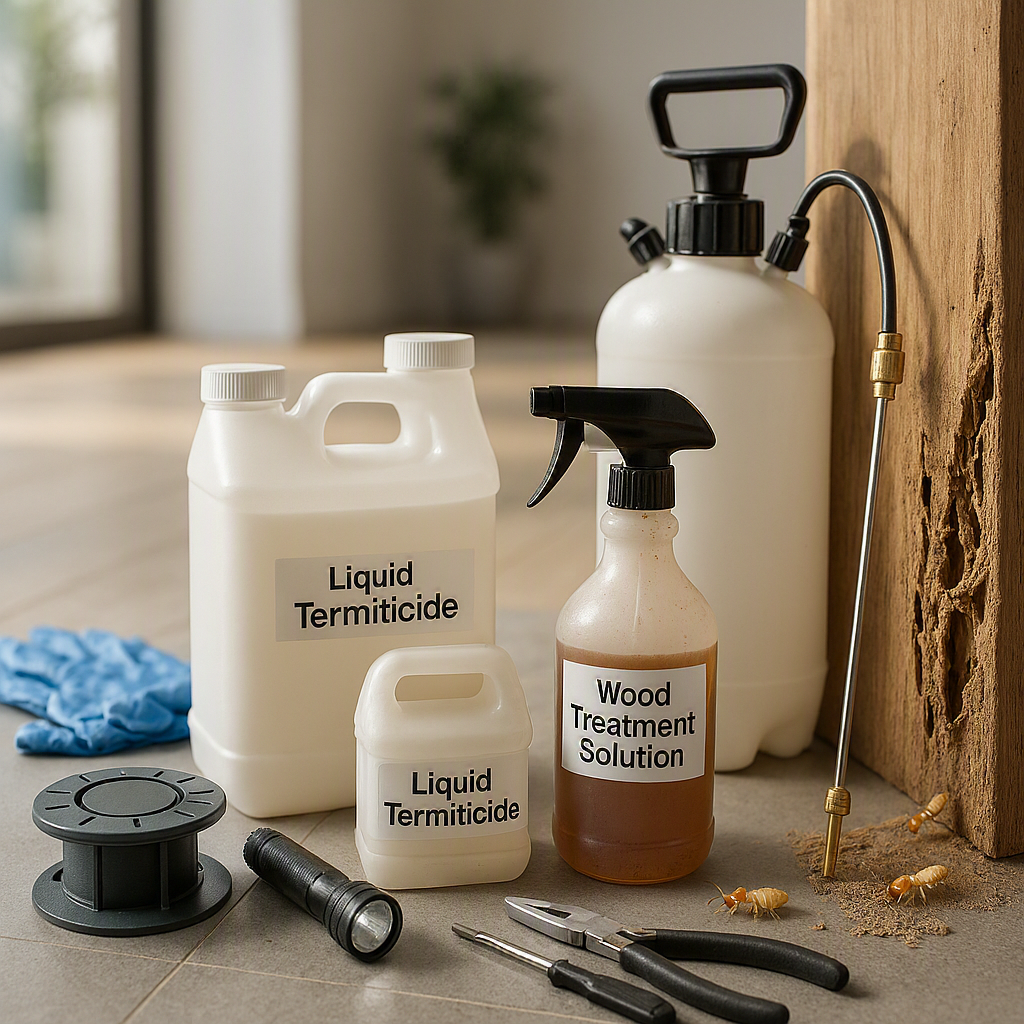
| Liquid Termiticides | Continuous soil barrier around foundations | Immediate protection, kills the colony | Requires trenching and drilling |
| Bait Systems | Long-term perimeter monitoring | Minimal chemical footprint, eliminates colonies | Can take months to work |
| Foam Treatments | Wall voids and hard-to-reach framing | Expands to fill hidden spaces | Only treats the localized area |
| Borate Wood Treatments | Raw lumber during construction | Penetrates deep, prevents future boring | Only works on bare, unpainted wood |
| Spot Treatments | Small, isolated drywood nests | Quick, low-cost for minor issues | Won’t protect the rest of the home |
| Professional Fumigation | Widespread drywood infestations | Guarantees a complete kill | Requires vacating the home for days |
Natural Termite Control Methods
If you’re dealing with a minor issue or want to support your main treatment, natural options can help you get rid of termites in accessible areas.
Nematodes are microscopic, beneficial roundworms that hunt down termite workers and release bacteria that eliminates them within 48 hours. Mix them into water and spray directly into active outdoor colony zones.
Orange oil contains d-limonene, which breaks down a drywood termite’s exoskeleton and destroys eggs on contact when injected into visible galleries. Natural remedies work best for localized, accessible areas — they can’t protect a whole house from a massive, hidden underground infestation.
Common Mistakes That Make Termite Problems Worse
- Using consumer bug sprays on mud tubes — kills only the workers in that tube; the colony simply finds a new path
- Breaking the soil chemical barrier — new landscaping or fresh mulch can create a gap in a treated perimeter
- Ignoring active moisture leaks — damp wood keeps drawing termites back even with bait or barrier treatments in place
How to Prevent Future Termite Infestations
- Keep mulch away from siding — maintain a 2-foot gravel or bare-dirt buffer around the foundation
- Store firewood elevated — at least 20 feet from the home, raised off the ground
- Ensure proper crawl space ventilation — a vapor barrier and clear foundation vents lower humidity
When to Contact a Professional
DIY works well for localized treatments or bait station setup, but call a professional at the first sign of widespread structural damage, active indoor swarms, or a Formosan termite invasion. Severe infestations often need sub-slab injection equipment and commercial termiticide concentrates to verify the entire colony is gone.
Frequently Asked Questions
Can a homeowner get rid of termites without professional help? Yes, for minor or accessible areas — perimeter bait stations, borate sprays, and localized foam injections work well as DIY tools.
How long does it take for a termite colony to destroy a home? A mature subterranean colony can take 3 to 5 years to cause severe structural damage.
What’s the main difference between winged termites and flying ants? Termites have straight antennae, thick waists, and equal-length wings. Flying ants have bent antennae, pinched waists, and larger front wings.
Do termite bait stations kill the queen? Yes. Workers carry the slow-acting bait back to the nest, eventually starving out the queen.
Is trenching required for all liquid soil treatments? Yes, a 6-inch trench against the foundation holds the termiticide in place so it soaks into the soil properly.
Does pouring boiling water down a termite nest work? No. The water cools before reaching the nest, which often sits several feet underground.
Can termites chew through pressure-treated lumber? Mostly resistant, but not immune — as treatment fades or wood cracks open, termites can get through.
What does drywood termite frass look like? Tiny, hard, oval pellets with six concave sides, resembling sand or ground pepper.
Should I choose a liquid soil barrier or a baiting system? Liquid barriers offer immediate protection; bait stations offer a lower-chemical, longer-term tracking option.
Why did termites return after a professional treatment? Usually an unaddressed moisture leak or landscaping work that broke the chemical soil barrier.
Key Takeaways
- Identify the species first — subterranean and drywood termites need different treatment strategies
- Break wood-to-soil contact — keep framing at least 6 inches above the soil line
- Fix moisture issues — clean gutters and repair leaks to remove the damp conditions termites need
- Protect the chemical line — avoid digging or heavy mulching where a soil treatment has been applied
Following this process consistently is the most reliable way to get rid of termites for good. For related reading, see our Termite Damage guide, our Pest Control overview, our DIY Pest Control guide, or our Signs of Pest Damage guide.
Sources: EPA: Termite Control Methods and Safety · USDA: Subterranean Termite Management Research · NPIC: Choosing a Termite Treatment Option · University of Kentucky Entomology Extension · UC IPM: Drywood Termites Diagnostics