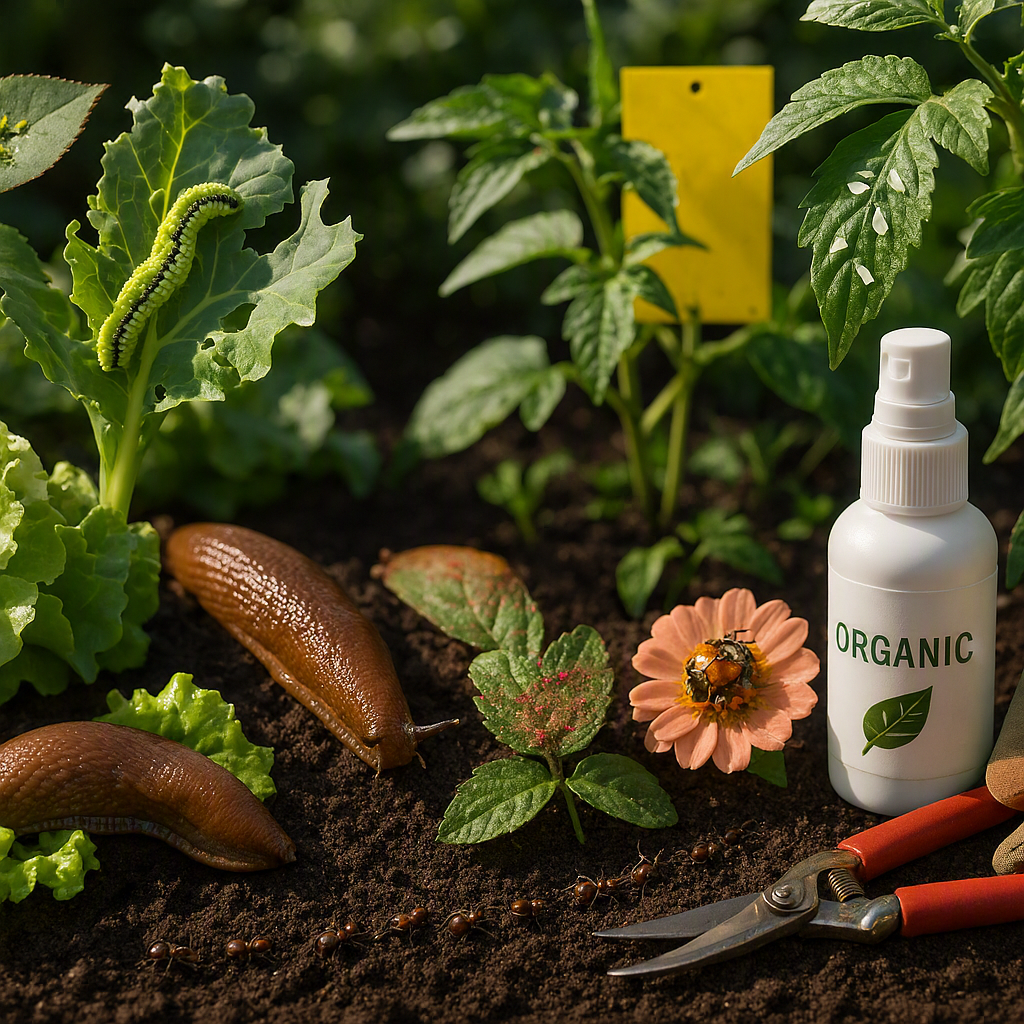
Every gardener knows the frustration of walking out to find healthy leaves riddled with holes or vegetables ruined overnight. Garden pests are an inevitable part of nature, but they don’t have to ruin your harvest.
Early identification is the key to managing them. By understanding what you’re dealing with early in the season, you can prevent minor issues from becoming full-scale infestations. This guide gives you the tools to protect your flowers, vegetables, and ornamental plants using effective, sustainable strategies.
Table of Contents
What Are Garden Pests?
Garden pests are any living organism — usually insects, mollusks, or mites — that feed on or damage your plants. Some insects are beneficial pollinators or predators, but garden pests disrupt plant growth, reduce yields, and can kill vulnerable specimens. Understanding the difference between a “friend” and a “foe” is the first step toward effective control.
Most Common Garden Pests
Not all of them feed the same way — some suck sap, while others chew leaves or roots.
| Pest | Plants Affected | Signs of Damage | Best Control Method |
|---|---|---|---|
| Aphids | Roses, veggies, fruit | Curling leaves, sticky residue | Blast with water, neem oil |
| Caterpillars | Leafy greens, herbs | Large, irregular holes | Hand-picking, Bt spray |
| Slugs | Hostas, seedlings | Slimy trails, chewed holes | Copper tape, beer traps |
| Snails | Leafy greens | Similar to slug damage | Remove hiding spots, hand-pick |
| Whiteflies | Tomatoes, hibiscus | Yellowing leaves, white clouds | Yellow sticky traps |
| Spider Mites | Greenhouse plants | Fine webbing, stippled leaves | Increase humidity, insecticidal soap |
| Japanese Beetles | Roses, trees, vines | Skeletonized leaves | Hand-pick into soapy water |
| Cutworms | Seedlings | Stems severed at soil level | Protective collars, mulch removal |
| Grasshoppers | Almost everything | Ragged edges, stripped stems | Row covers, encourage birds |
| Earwigs | Dahlias, marigolds | Small, jagged petal holes | Cardboard traps, clean debris |
Signs of Garden Pest Damage
Before you spot the pest, you’ll likely see the aftermath:
- Discolored foliage — yellowing or spotted leaves often signal sap-sucking insects
- Holes or missing tissue — chewed edges point to beetles or caterpillars
- Sticky residue — honeydew from aphids and whiteflies often attracts sooty mold
- Deformed growth — twisted stems or stunted buds point to mite or aphid activity
- Wilting — sudden wilting despite adequate water can signal root-feeding pests
How to Identify Garden Pests
- Check the undersides of leaves — where many pests hide during the day
- Inspect at different times — some are nocturnal, others active in daytime heat
- Use a magnifying glass — mites and tiny eggs are hard to spot with the naked eye
- Observe the pattern — sudden overnight damage or spreading to new plants tells you something
- Note the presence of others — ants often farm aphids, so ants nearby mean aphids too
How to Prevent Garden Pests
- Healthy soil — nutrient-rich, well-draining soil grows more resilient plants
- Crop rotation — avoid planting the same family in the same spot two years running
- Companion planting — marigolds deter beetles, dill attracts beneficial predator wasps
- Proper watering — water at the base; wet foliage invites fungal disease and pests
- Weed control — weeds provide breeding grounds for unwanted insects
- Garden sanitation — remove dead plant matter where pests overwinter
- Physical barriers — row covers or mesh netting block larger pests
- Regular inspections — daily checks catch a pest population before it booms
Best Garden Pest Control Methods
Start with the least toxic method and escalate only if necessary:
- Physical removal — hand-picking or shaking insects into soapy water
- Trapping — sticky traps, beer traps, or pheromone lures
- Biological control — introducing ladybugs or lacewings
- Organic sprays — neem oil, insecticidal soap, or horticultural oils
- Targeted pesticides — a last resort, using organic-approved options that spare pollinators
Natural and Organic Garden Pest Solutions
- Neem oil — a versatile oil that disrupts the life cycle of many insects
- Diatomaceous earth — dehydrates soft-bodied insects around the base of plants
- Beneficial insects — predatory insects, spiders, and birds act as your garden’s security team
- Garlic and pepper sprays — homemade deterrents for chewing pests
Common Gardening Mistakes That Attract Pests
- Over-fertilizing — excess nitrogen creates soft growth irresistible to aphids
- Planting too densely — poor airflow creates humid microclimates that encourage pests
- Ignoring weak plants — stressed plants draw pests, so find the cause early
- Watering in the evening — wet plants overnight invite slugs and snails
When to Use Professional Pest Control
If you’re facing a large-scale infestation threatening entire trees, or suspect invasive species requiring state reporting (like the Spotted Lanternfly), contact your local University Extension office or a professional exterminator for diagnostic services and treatments unavailable to DIYers.
Frequently Asked Questions
Are all bugs in the garden pests? No. Many insects are beneficial — bees pollinate, and ladybugs hunt pests. Always identify an insect before trying to kill it.
Why are my plants covered in ants? Ants are usually farming aphids for honeydew rather than eating the plant. Control the aphids, and the ants typically leave.
Does dish soap kill garden pests? Insecticidal soaps work, but avoid harsh detergents — use a mild, non-bleach, non-degreaser soap mixed with water.
How do I stop slugs without chemicals? Copper tape or a buried container of beer at soil level both work as effective traps.
When is the best time to apply organic sprays? Early morning or late evening — applying during midday heat can burn the leaves.
Can I leave dead leaves in the garden for winter? Clean up diseased plants, but some beneficial insects overwinter in dry stalks, so tidy without scrubbing completely clean.
What are row covers? Lightweight, breathable fabrics placed over vegetable rows as a physical barrier against flying pests.
Is my garden pest-free if I use pesticides? No. Pesticides often kill beneficial insects too, which can cause a rebound effect where pests return in higher numbers.
Do birds eat garden pests? Yes. Bird baths and feeders encourage birds that consume large quantities of caterpillars and beetles.
How often should I check my plants? At least once or twice a week, more often during hot, dry weather when insects reproduce faster.
Key Takeaways
- Inspect often — early detection is your best defense
- Focus on soil health — strong plants resist pests naturally
- Encourage beneficials — let ladybugs and birds do the work for you
- Use least-toxic first — water, hand-picking, or row covers before reaching for sprays
- Stay clean — remove debris and weeds to eliminate hiding spots
Managing garden pests comes down to early identification, healthy soil, and starting with the least invasive control method. For related reading, see our Pest Control overview, our Seasonal Pest Guide, or our DIY Pest Control guide.
Sources: USDA Natural Resources Conservation Service: Pest Management · EPA: Integrated Pest Management Principles · UC IPM Program · Cornell University: Vegetable MD Online · NPIC: National Pesticide Information Center